Buying guides
Buying a used excavator: a first inspection checklist
Before you pay for a used excavator, you can check a dozen things yourself in about an hour. This list covers what to look at and what to ask for, and when to bring in a specialist.
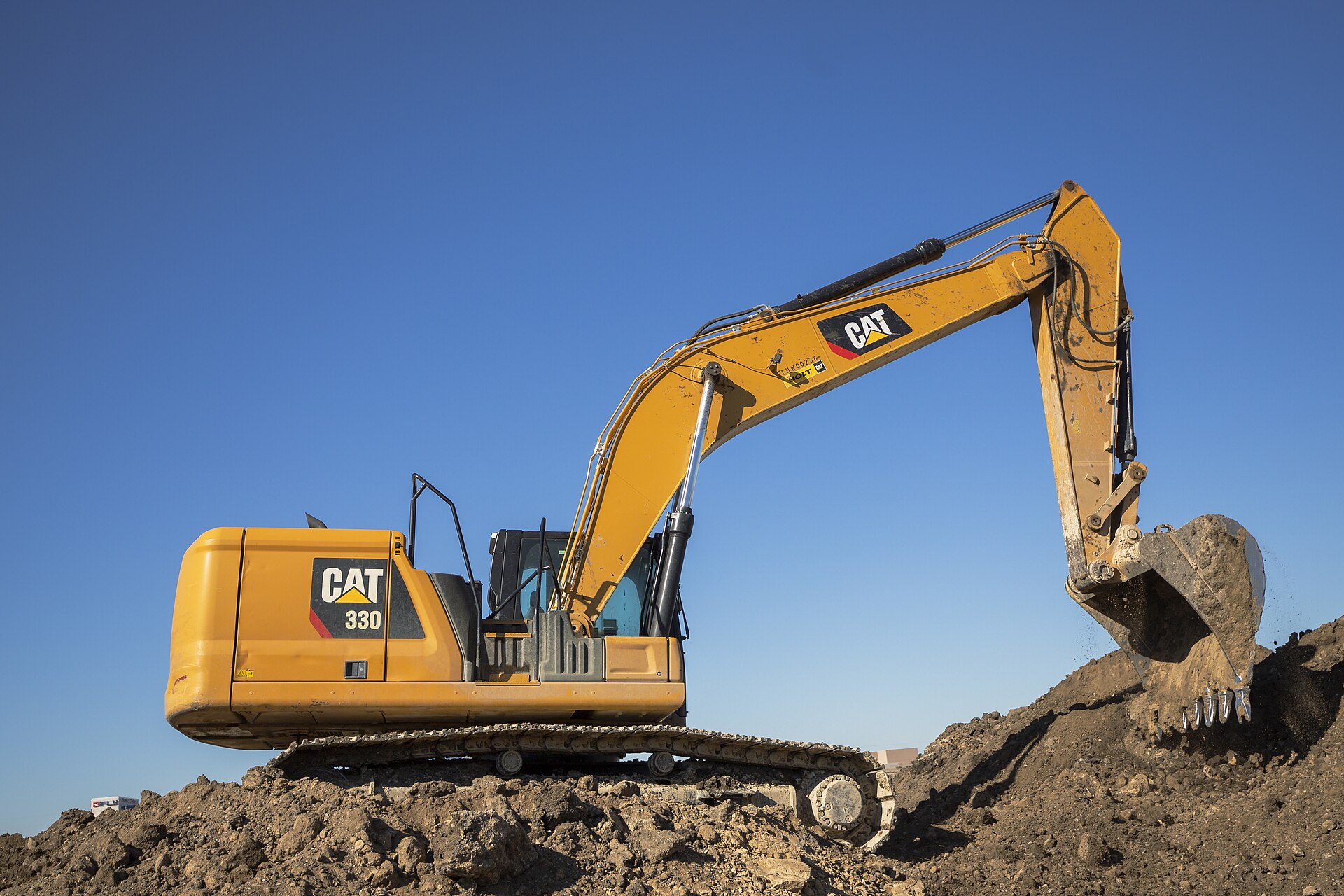
A walk-around inspection will not replace a full mechanical check, but it will rule out machines that are not worth the trip. This checklist is for the first look, before you pay for anything.
Before you go
- Find the exact model and configuration. Use the serial number and the spec sheet for that machine. Arm length, undercarriage and bucket all change the figures you will compare later.
- Ask for the service records and the hour reading. Records that stop years ago tell you something too.
- Check the market rather than a single listing. We do not publish prices, because they vary by region and condition. Ask two or three dealers for comparable machines and compare what is included.
On the machine
- Start it cold, if you can. Watch for smoke, knocking and warning lights. Let it idle, then bring it up to working temperature.
- Look for leaks under the engine, around the swing motor, at the hydraulic hoses and at the cylinder rods. Fresh oil on the undercarriage is a question to ask.
- Check the undercarriage. Look at track tension, the track rollers and idlers, and the wear on the track links and shoes. The state of the tracks tells you how the machine was used, and track parts are not cheap to replace.
- Run every function. Boom, stick, bucket, swing and travel, one at a time and then together. Listen for slow movement, drift and jerky response.
- Check the cab and the controls. Test the seat, the horn, the lights, the wipers and the monitor. Note any warning codes.
- Look at the bucket and the pins. Worn bucket pins and bushings add play to every movement, so check for it.
Paperwork
- Title and ownership, and whether the machine has any finance attached.
- Records of major repairs and any hydraulic or engine work.
- Attachment list, including the bucket sizes, and whether the quick coupler is fitted.
When to bring in a specialist
If the machine passes your first look, pay for a professional inspection before you commit. A specialist can check the engine compression, the hydraulic pressures and the frame, and can read the diagnostic codes. The cost is small compared with the cost of a bad machine.
What this checklist does not cover
It does not tell you whether a model is reliable, what it costs to run or what a fair price is. Those depend on the specific machine, its history and its market, and any general figure would be a guess. Our specification pages give the factory figures for each model, so you can check that the machine you are looking at matches the configuration you think it has.
This checklist is general guidance from the editorial team, not an inspection report. It does not replace the manufacturer’s maintenance documents for a specific machine.