Specifications explained
Net, gross and engine power: which horsepower number to compare
A spec sheet can show three horsepower numbers for one engine. They differ because the rating standard and what is counted change. Here is how to read them.
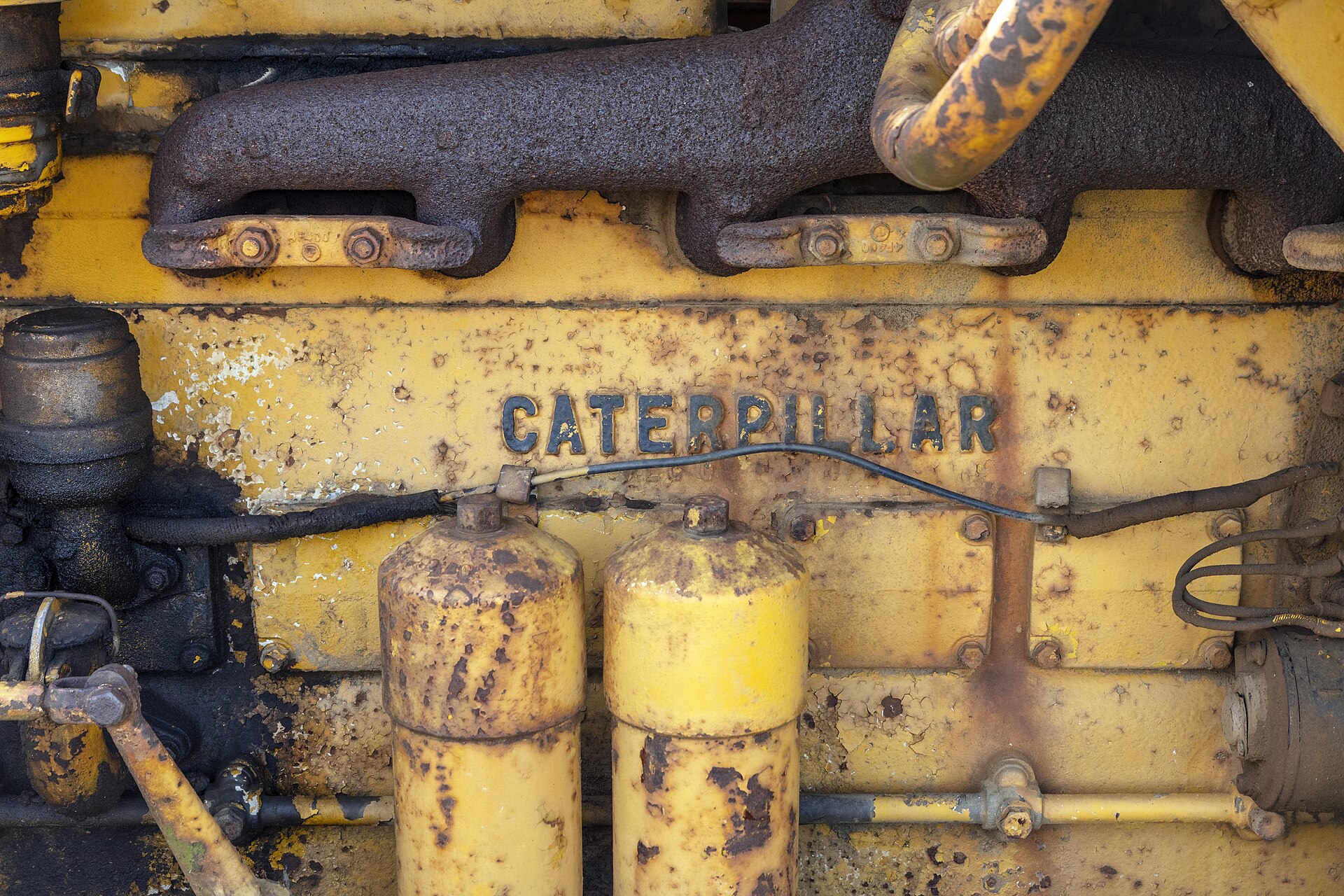
Ask two dealers for the power of the same machine, and you may get two numbers. Both can be correct. Engine power is reported under different standards, and a standard decides what is counted and how.
Net power: what is available at the flywheel
The most useful figure for comparing machines is usually net power under ISO 9249 (or SAE J1349). Manufacturers define it as the power available at the flywheel with the fan, air intake, exhaust system and alternator fitted.
The Komatsu PC210LC-11 brochure shows this clearly. Its net output is 165 HP (122.8 kW) under ISO 9249 / SAE J1349. The same table also gives 159 HP for the engine with the fan at maximum speed. The gap is the load of the cooling fan running flat out, and it is worth knowing when you compare machines that cool differently.
Gross power: a different test
Gross power is measured with the auxiliary loads removed. Manufacturers therefore quote it higher. The Volvo EC220EL sheet lists 128 kW (172 hp) net under ISO 9249, and 129 kW (173 hp) gross under ISO 14396 / SAE J1995. The difference between the two is small for that machine, but it is not zero, and it can be large on other engines.
The Caterpillar D6 sheet shows the gap more clearly. Its net power is 215 hp (161 kW) under ISO 9249, while the ISO 14396 rating is 251 hp (187 kW). A reader who compared the 251 figure with a net number from another brand would overstate the difference by a wide margin.
PTO power on tractors
On a tractor, the figure that matters for implements is power at the power take-off shaft. It is always lower than engine power, because the drive train and hydraulics take a share. It is reported under its own test. When you compare tractors, use the PTO rating from the same standard for each machine, and ask the dealer which test the figure comes from.
How to use these numbers
- Compare net to net, under the same ISO or SAE standard.
- Do not put a gross figure next to a net figure from another brand.
- For tractors, compare PTO power against the implement’s requirement, not engine power.
- Note the engine speed the rating applies to. The Caterpillar D6 sheet gives 215 hp at 2,200 rpm for the D6 and a different speed for the D6 XE.
Sources: Komatsu PC210/LC-11 brochure, Form ZESS005700 (Dec 2018), engine specifications, p. 15; Volvo EC220E specification brochure, engine specifications; Caterpillar D6/D6 XE Technical Specifications, copy hosted by Montana DOT, power ratings table.
Keep reading
Specifications explained
Rated operating capacity and tipping load: the numbers that look alike and are not
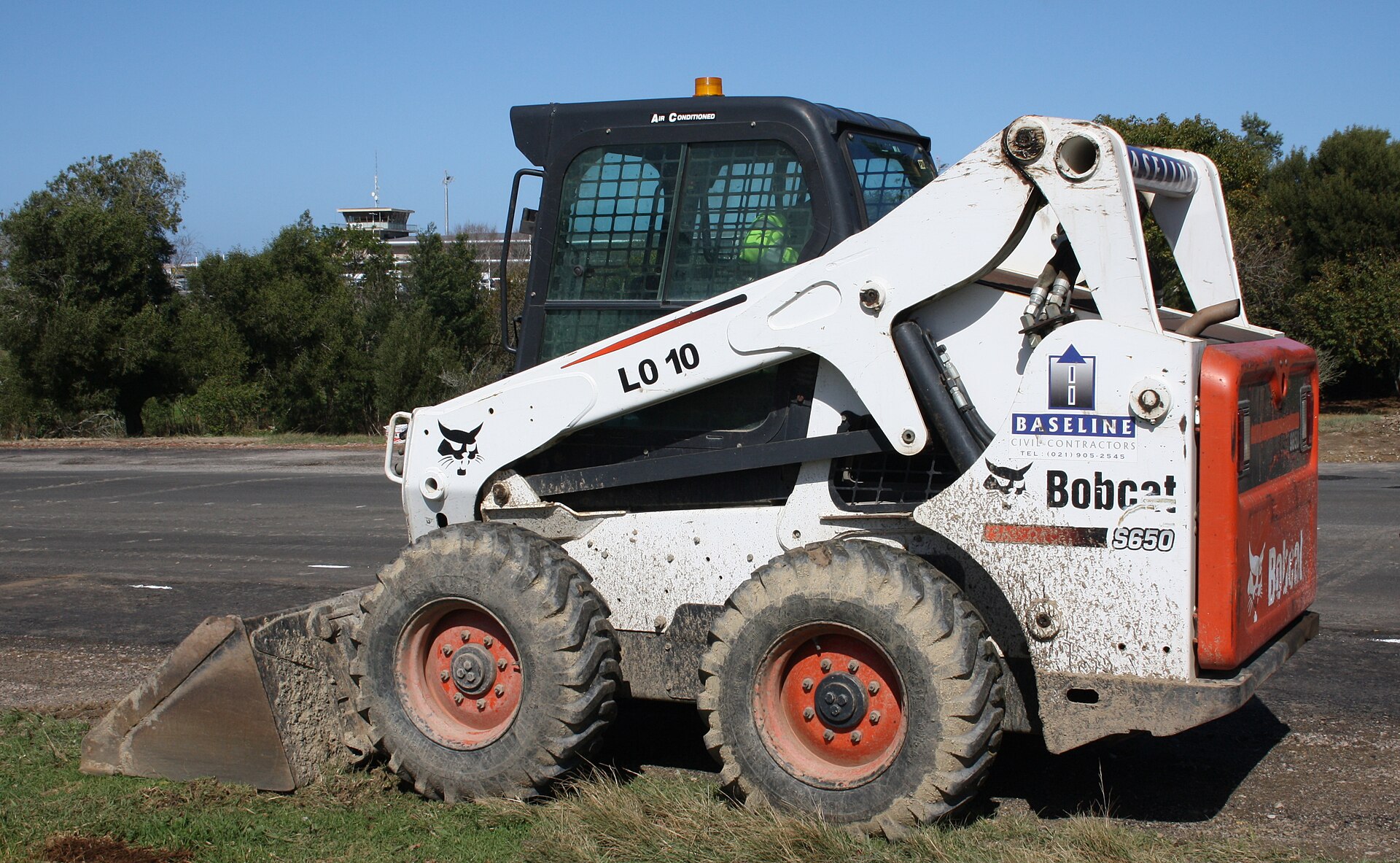
A skid-steer loader can lift a rated load and still have a higher tipping load. The Bobcat S650 spec page shows the relationship, and the two figures measure different things.
Alexey Puzanov · Oct 12, 2026 · 2 min read
Specifications explained
Digging depth, reach and digging force: how to read an excavator spec sheet
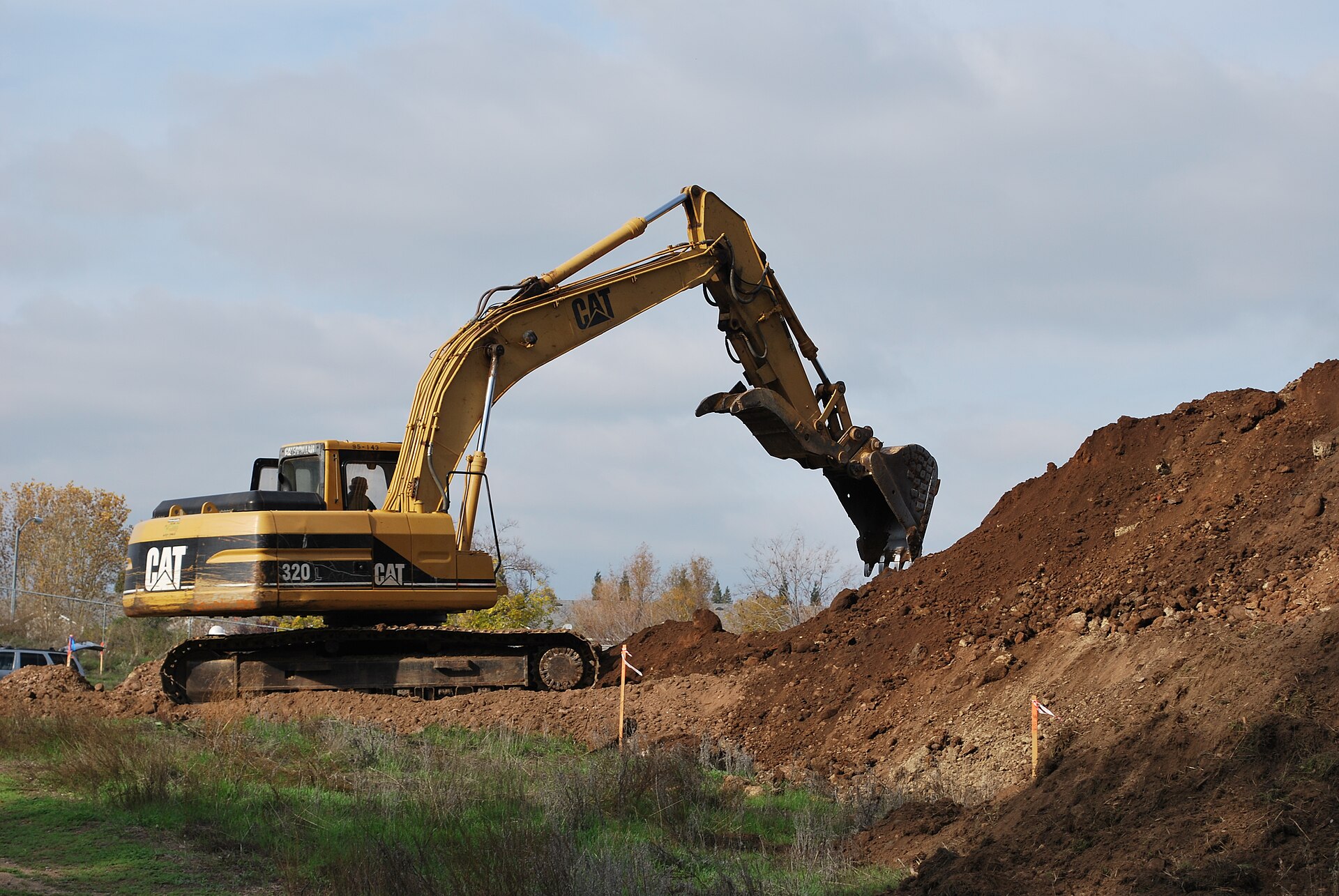
Maximum digging depth and reach are easy to compare. Digging force is not, because two standards measure it differently. The Komatsu PC210LC-11 brochure shows why.
Alexey Puzanov · Oct 12, 2026 · 2 min read