Specifications explained
Digging depth, reach and digging force: how to read an excavator spec sheet
Maximum digging depth and reach are easy to compare. Digging force is not, because two standards measure it differently. The Komatsu PC210LC-11 brochure shows why.
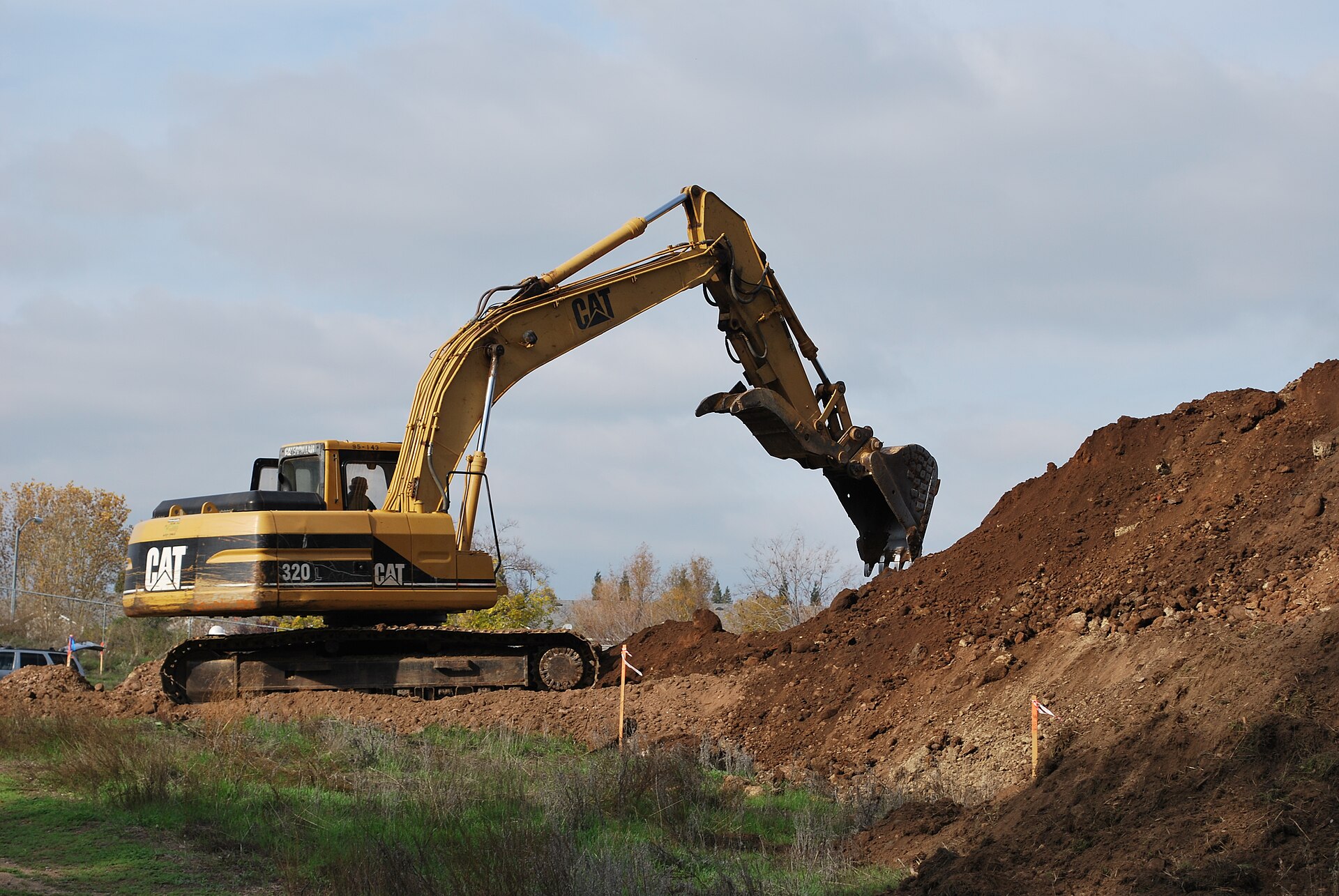
An excavator spec sheet has a long list of dimensions, and most of them describe the same thing from different positions. The numbers you need for most decisions are maximum digging depth, maximum reach at ground level and bucket digging force. Each one has a catch.
Maximum digging depth
This is how deep the bucket can reach below ground level under the manufacturer’s test conditions. It depends on the arm length, so it is only meaningful next to the arm it was measured with.
The Komatsu PC210LC-11 brochure gives a maximum digging depth of 6620 mm for its 2900 mm arm, which is about 260.6 inches. A separate figure, the depth for an 8-foot level bottom, is 6370 mm, and the vertical wall depth is 5980 mm. A trench you need to be straight-walled will be shallower than the headline number.
Reach at ground level
Reach is the horizontal distance from the centre of the swing to the bucket teeth at ground level. For the same PC210LC-11 with the 2900 mm arm the brochure gives 9700 mm, about 381.9 inches.
Digging force: the standard matters
Bucket digging force is the force the bucket can exert at the teeth. Manufacturers report it under the ISO or SAE standard, and the two are not interchangeable. The Komatsu brochure on the PC210LC-11 gives both figures for the same machine:
- SAE rating: 132 kN
- ISO rating: 149 kN
Both are measured at power max, on the same machine, and the difference is only the standard. The Caterpillar 320 sheet gives its bucket digging force under ISO only, at 150 kN, or 33,811 lbf. When you compare two machines, check that both figures use the same standard before you decide anything from the gap.
A checklist for comparing two excavators
- Note the arm length behind each depth and reach figure. Compare arm to arm.
- Check whether the force figure is ISO or SAE, and compare only like with like.
- Compare vertical wall depth separately if you need to dig straight-sided trenches.
- Check the bucket you plan to use. Force figures are usually given for the standard bucket.
- Ask for the sheet for the exact configuration, including the boom. Long-reach booms change every figure in this list.
Sources: Komatsu PC210/LC-11 brochure, Form ZESS005700 (Dec 2018), working range and digging force diagrams, p. 16; Caterpillar 320 Hydraulic Excavator Technical Specifications, AEXQ3461-02 (09-2022), p. 6. Metric values converted at 25.4 mm per inch and 224.809 lbf per kN.
Keep reading
Specifications explained
Rated operating capacity and tipping load: the numbers that look alike and are not
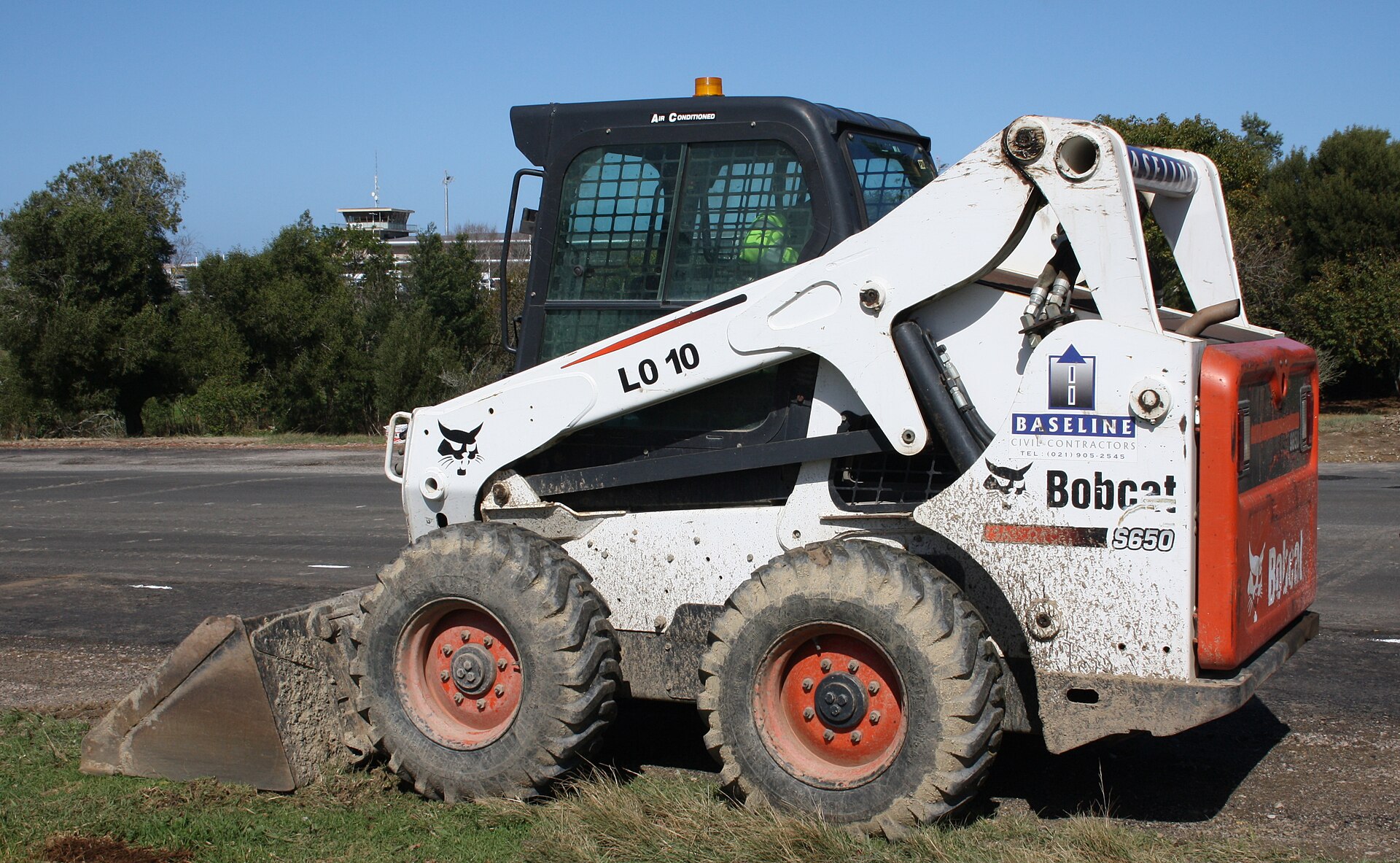
A skid-steer loader can lift a rated load and still have a higher tipping load. The Bobcat S650 spec page shows the relationship, and the two figures measure different things.
Alexey Puzanov · Oct 12, 2026 · 2 min read
Specifications explained
Net, gross and engine power: which horsepower number to compare
A spec sheet can show three horsepower numbers for one engine. They differ because the rating standard and what is counted change. Here is how to read them.
Alexey Puzanov · Oct 12, 2026 · 2 min read