Specifications explained
Rated operating capacity and tipping load: the numbers that look alike and are not
A skid-steer loader can lift a rated load and still have a higher tipping load. The Bobcat S650 spec page shows the relationship, and the two figures measure different things.
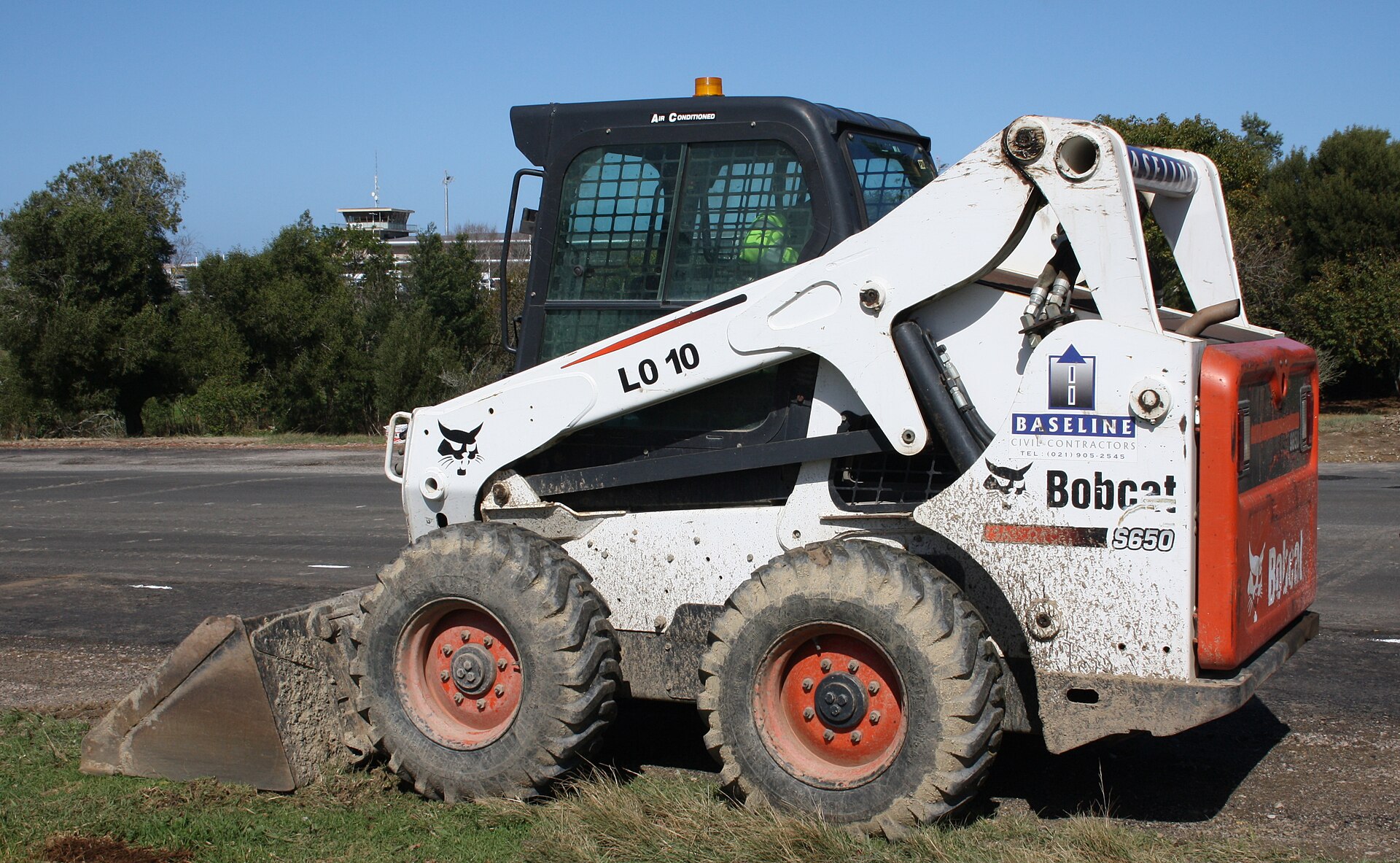
Loader spec sheets usually list two load figures that sound like the same thing. One is rated operating capacity. The other is tipping load. They are related, and you cannot read one without the other.
Tipping load
Tipping load is the load at which the machine starts to tip. It is measured with the lift arms raised and the load extended, under a stated standard. It tells you where the machine becomes unstable. It does not tell you what you should lift.
Rated operating capacity
Rated operating capacity is the load the manufacturer rates the machine to lift. It is set below the tipping load to leave a margin of stability. The rating always comes from a stated standard, and the sheet should name it.
A real example: the Bobcat S650
The Bobcat S650 page, in its EMEA version, lists a tipping load of 2564 kg and a rated operating capacity of 1282 kg, both under ISO 14397-1. The rated figure is exactly half of the tipping load. That relationship is what you can read from this page. The page does not say how the rating percentage is set for other machines, so do not assume it applies to every loader.
The same page gives an operating weight of 3777 kg and an engine power of 54.6 kW. Once everything is converted to pounds, the rated operating capacity is about 2,826 lb.
Why the numbers differ across loaders
Wheel loaders report tipping load at full turn, which is the load with the machine steered fully to one side. The Volvo L120H page gives a static tipping load of 27,555 lb at full turn, and does not name the standard. The Caterpillar 950 GC sheet gives 24,604 lb (11,160 kg) at full turn under ISO 14397-1, with tire deflection, for a configuration with 23.5R25 tires and a 3.1 m³ bucket. Those two machines are different sizes, so their numbers are not a ranking. They show what each manufacturer chose to publish.
What to do with these figures
- Read the standard and the steering position for each tipping load.
- Take rated operating capacity, not tipping load, as the planning figure for lifts, and check the attachments: a heavier bucket reduces the load you can carry.
- Remember that the rating assumes the machine is in good condition and on suitable ground. Ground slope and uneven surfaces are not in the figure.
Sources: Bobcat S650 skid-steer loader specification page, Bobcat EMEA site (tipping load, rated operating capacity, operating weight, engine power); Volvo L120H product page (static tipping load at full turn); Caterpillar 950 GC Wheel Loader Technical Specifications, AEXQ2508-02 (5-2021), weights and tipping load.
Keep reading
Specifications explained
Net, gross and engine power: which horsepower number to compare
A spec sheet can show three horsepower numbers for one engine. They differ because the rating standard and what is counted change. Here is how to read them.
Alexey Puzanov · Oct 12, 2026 · 2 min read
Specifications explained
Digging depth, reach and digging force: how to read an excavator spec sheet
Maximum digging depth and reach are easy to compare. Digging force is not, because two standards measure it differently. The Komatsu PC210LC-11 brochure shows why.
Alexey Puzanov · Oct 12, 2026 · 2 min read