Specifications explained
Operating weight vs. shipping weight: why the same machine has two numbers
Two weights appear on most machine spec sheets, and they are not interchangeable. Here is what each one includes, with examples from three manufacturers.
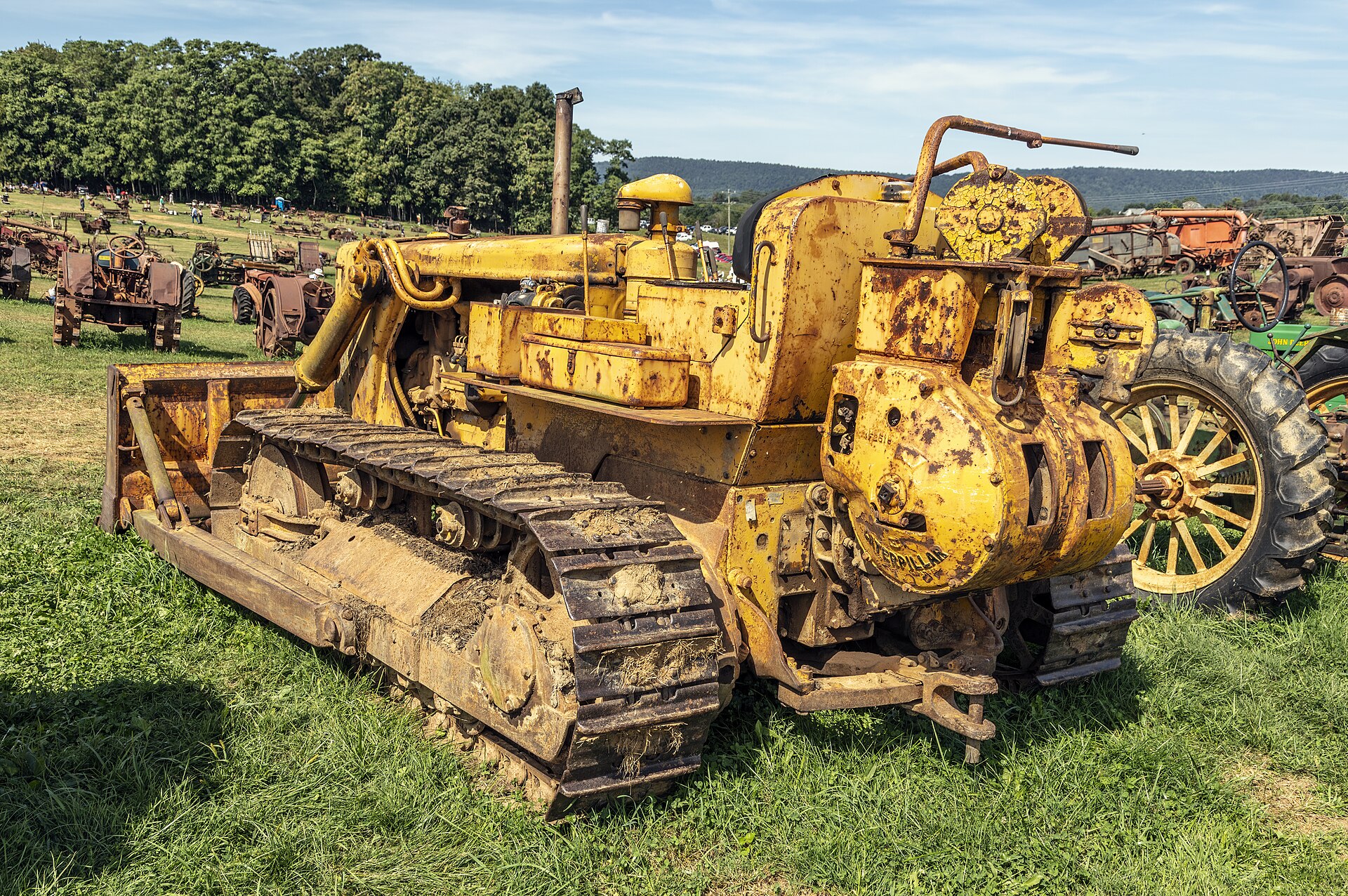
If you have compared two machines, you have probably noticed that one spec sheet gives a weight that is noticeably different from another. Often the gap is not a difference in the machine. It is a difference in what each manufacturer counts.
Two definitions
Operating weight is the weight of the machine ready to work: fluids, operator and standard equipment included. Shipping weight is the weight for transport, and it leaves out what the machine does not need on the road. Shipping weight is usually lower.
The details differ between manufacturers
Even the operating weight figure is not one fixed definition. Each sheet lists what it includes, and the lists are not the same:
| Machine | What the operating weight includes (as stated in the source) |
|---|---|
| Caterpillar 320 | A 90% fuel tank and a 75 kg (165 lb) operator. The configuration is also stated: boom, stick, bucket, counterweight and track shoes. |
| Komatsu PC210LC-11 | Lubricants, coolant, a full fuel tank, the operator and standard equipment, including the quick hitch and the bucket named in the brochure. |
| Caterpillar D6 | The blade, lubricants, coolant, a full fuel tank, the ROPS/FOPS cab and the drawbar. Shipping weight is given separately and includes only 10% fuel. |
A 90% fuel tank, a full tank and a 10% tank are three different starting points. On a machine with a 400-litre tank, the gap between full and 90% is 40 litres of diesel, and that is only one of the items that can shift the number.
How to compare two machines fairly
- Use operating weight for stability, ground pressure and transport planning, and check the configuration behind it. A longer undercarriage or a wider shoe changes the figure.
- Use shipping weight only for transport, and check the trailer and route limits against the number the manufacturer gives for that purpose.
- Compare like with like. If one sheet includes a 75 kg operator and another does not state one, the difference is not real.
- Ask the dealer for the weight of the exact machine with the attachments you will use. Attachments change the figure, sometimes by hundreds of kilograms.
What a weight figure does not tell you
Weight is a factor in stability and in ground pressure. It does not tell you how the machine digs, how fast it travels or how much it can lift. Those are separate figures, and each one has its own definition. We cover them in our guides on reading an excavator spec sheet and horsepower on spec sheets.
Sources: Caterpillar 320 Hydraulic Excavator Technical Specifications, AEXQ3461-02 (09-2022), p. 3; Komatsu PC210/LC-11 brochure, Form ZESS005700 (Dec 2018), p. 15; Caterpillar D6/D6 XE Technical Specifications, copy hosted by Montana DOT, operating and shipping weight notes.
Keep reading
Specifications explained
Rated operating capacity and tipping load: the numbers that look alike and are not
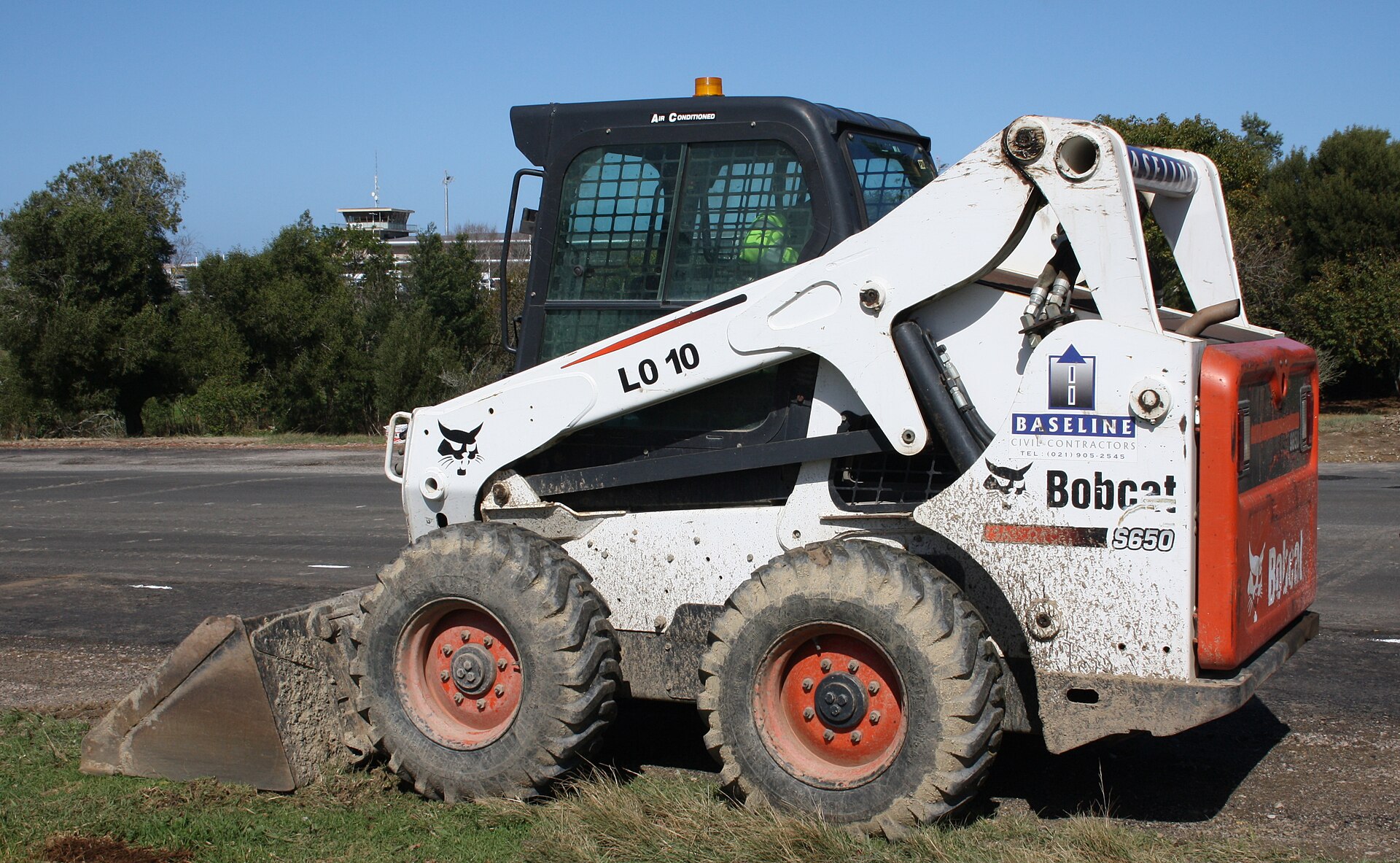
A skid-steer loader can lift a rated load and still have a higher tipping load. The Bobcat S650 spec page shows the relationship, and the two figures measure different things.
Alexey Puzanov · Oct 12, 2026 · 2 min read
Specifications explained
Net, gross and engine power: which horsepower number to compare
A spec sheet can show three horsepower numbers for one engine. They differ because the rating standard and what is counted change. Here is how to read them.
Alexey Puzanov · Oct 12, 2026 · 2 min read