Buying Guides
Excavator Attachments: 15 Tools That Multiply What Your Machine Can Do
Buckets, breakers, thumbs, augers, tiltrotators, grapples and more: the attachments that turn an excavator into a multi-purpose tool carrier, and what to check before buying.

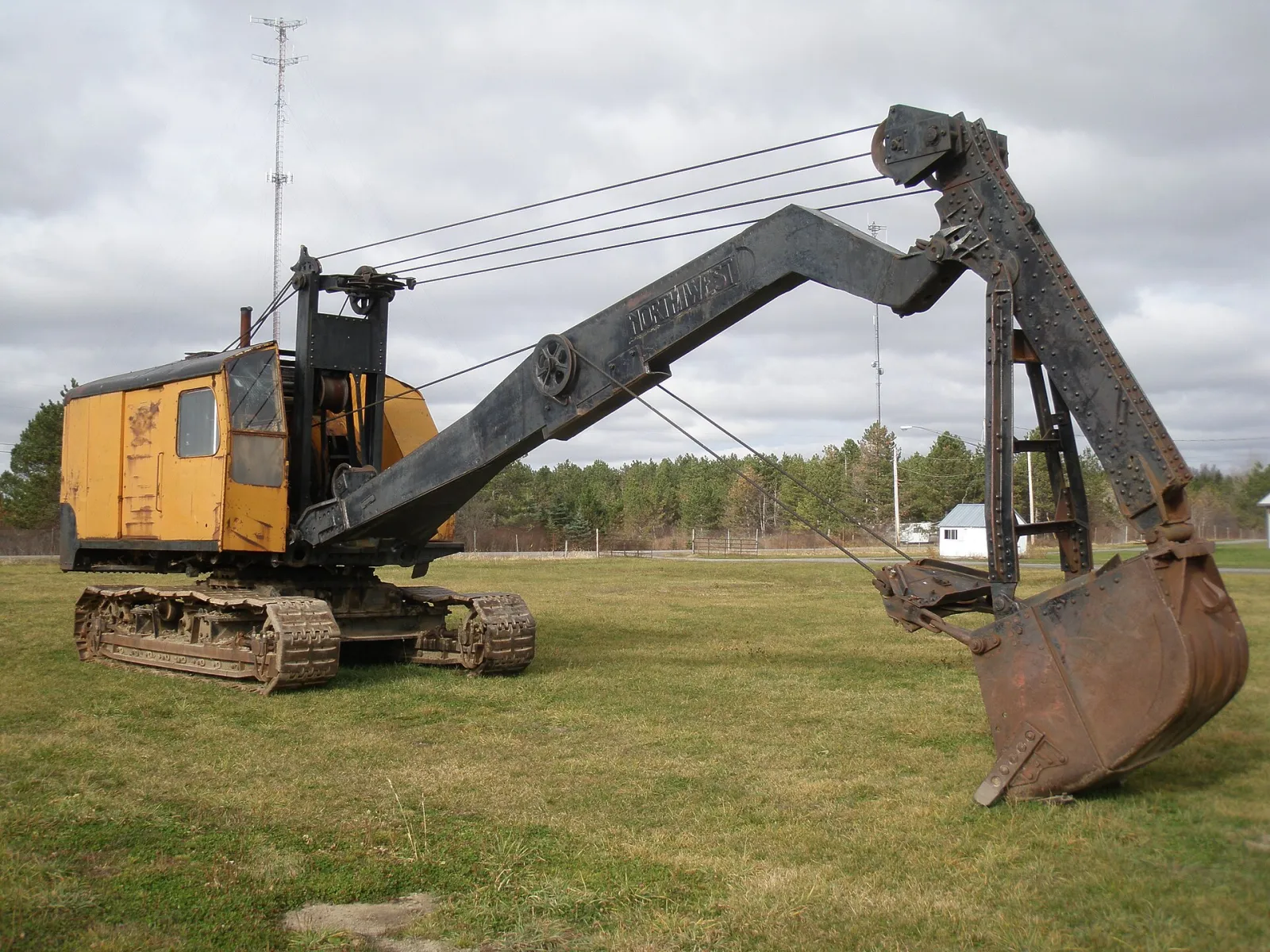
An excavator without attachments is just a digger. With the right tools, it can break concrete, drill holes, sort demolition waste, compact trenches, cut trees and lay pipe. Here are the attachments professionals use most.
Buckets
- General purpose (GP) bucket: for everyday digging in soil and gravel.
- Heavy-duty / rock bucket: thicker steel and wear plates for abrasive and rocky material.
- Trenching bucket: narrow for cable and pipe trenches.
- Ditching / grading bucket: wide and flat-bottomed for finishing slopes and ditches.
- Tilt bucket: hydraulically tilts left and right for grading without moving the machine.
- Riddle (skeleton) bucket: sorts stones from soil.
Couplers and tiltrotators
- Quick coupler: changes attachments in seconds. Hydraulic couplers with safety locks are standard on modern machines. Make sure the coupler standard (e.g. S-type, Lehnhoff, CW) matches your attachments.
- Tiltrotator: a wrist between the arm and the attachment that tilts 40–45 degrees and rotates 360 degrees. Hugely popular in Scandinavia and growing worldwide, it can replace a lot of manual work and repositioning.
Demolition and rock
- Hydraulic breaker (hammer): breaks rock, concrete and asphalt. Match breaker weight and oil flow to the excavator.
- Crusher / pulveriser: crushes concrete and separates rebar.
- Shears: cut steel structures.
- Demolition and sorting grapple: picks and sorts mixed waste.
Other popular tools
- Thumb: a hydraulic or mechanical "finger" that lets the bucket grip logs, rocks and debris.
- Auger: drills holes for posts, piles and trees.
- Plate compactor: compacts backfill in trenches without sending workers in.
Other options include rippers, mulchers, magnets, vibro-rippers and screening buckets.
What to check before buying an attachment
- Weight and capacity relative to the excavator's lift chart.
- Hydraulic flow and pressure requirements.
- Coupler compatibility.
- Auxiliary hydraulics: one-way (hammer) or two-way (thumb, tilt) circuits, and case drain lines for motors.
- Safety: certified couplers and correct operating instructions.
Frequently asked questions
What is a tiltrotator?
A tiltrotator is a hydraulic wrist mounted between the excavator arm and the attachment. It can tilt the attachment from side to side and rotate it 360 degrees, letting the operator work from more angles without moving the machine.