
 Editor’s pick
Toyota Material Handling
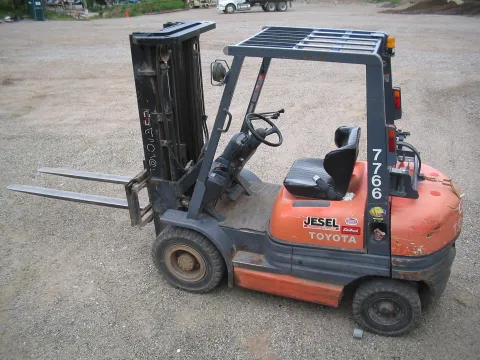
Toyota 8FGU25
- Rated capacity
- 2,270 kg
- Fuel
- LPG or dual fuel
- Tyres
- Pneumatic
Lifting & Access
Forklifts move the world’s pallets. Learn the OSHA forklift classes, electric vs LPG vs diesel, cushion vs pneumatic tyres, capacity ratings and what to check when buying.
Model guides
Editor’s pick
Toyota Material Handling
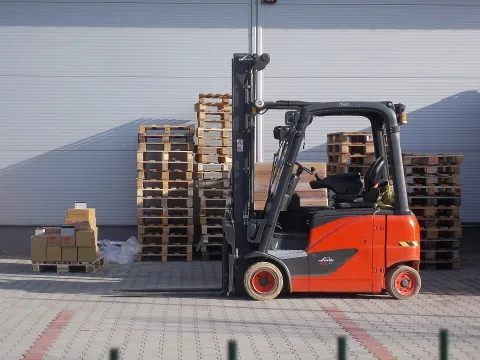
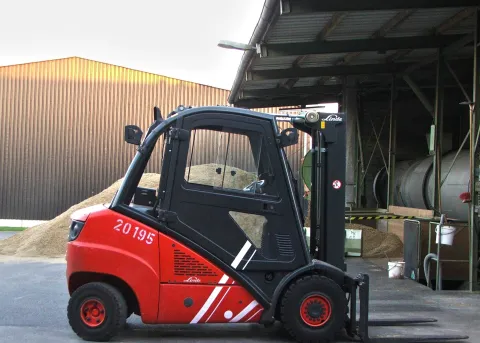
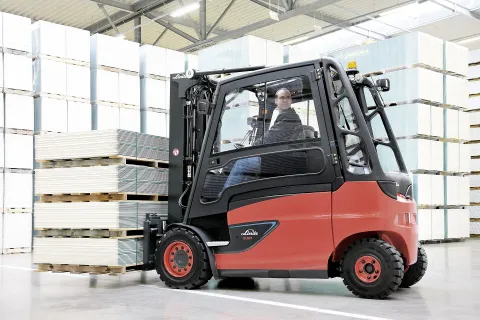
Linde Material Handling
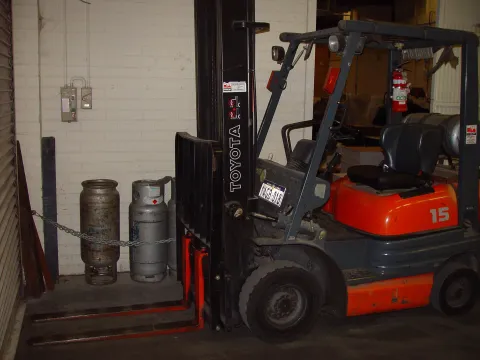
Toyota Material Handling
9 models · click a column to sort
| Toyota 8FGU25 | Toyota Material Handling | — | — |
| Hyster H360HD | Hyster | — | — |
| Hyster H50FT | Hyster | — | — |
| Hyster J2.0XNT | Hyster | — | — |
| Linde E20 | Linde Material Handling | — | — |
| Linde H25 | Linde Material Handling | — | — |
| Linde X20 | Linde Material Handling | — | — |
| Toyota 8FBE20U | Toyota Material Handling | — | — |
| Toyota 8FGCU25 | Toyota Material Handling | — | — |
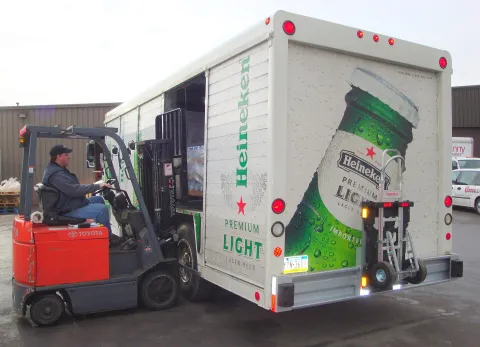
A forklift (lift truck) lifts and moves loads on forks attached to a vertical mast. Forklifts work in warehouses, factories, ports, lumber yards and on construction sites. Globally, more than a million forklifts are sold each year.
| Class | Type |
|---|---|
| I | Electric motor rider trucks (sit-down counterbalance) |
| II | Electric narrow-aisle trucks (reach trucks, order pickers) |
| III | Electric pallet jacks and stackers |
| IV | Internal combustion, cushion tyres |
| V | Internal combustion, pneumatic tyres |
| VI | Electric and IC tow tractors |
| VII | Rough-terrain forklifts |
Cushion tyres are solid rubber on steel bands: compact, low turning radius, best on smooth indoor floors. Pneumatic tyres (air-filled or solid pneumatic) handle outdoor yards, gravel and uneven surfaces.
Rated capacity is quoted at a standard load centre, typically 500 mm (24 in) from the fork face. Longer loads, side-shifters, attachments and lift heights all reduce real capacity. Check the data plate.
Forklift accidents are a major cause of workplace injuries. Operators must be trained and certified, seat belts worn, and loads kept low when travelling. Stability systems such as Toyota's SAS help reduce tip-overs.
It means the truck can lift 5,000 lb (about 2,270 kg) at the standard 24-inch load centre and up to its standard lift height. Capacity falls with longer loads, attachments or higher lift heights.
A well-maintained forklift typically lasts 10,000–20,000 hours, depending on the application, fuel type and maintenance.
Lifting & Access