
 Editor’s pick
Lifting & Access
Tower cranes: types, how they are erected and how to choose
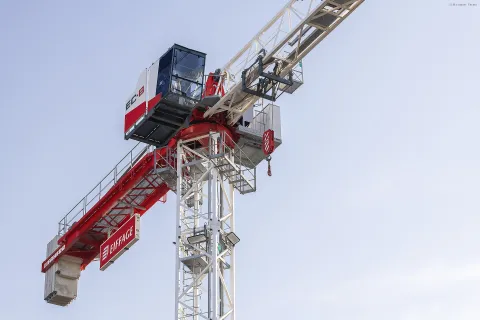
Tower cranes are the skyline signature of construction. Learn the difference between hammerhead, flat-top, luffing-jib and self-erecting tower cranes and how they climb with the building.
Model guides
Popular tower cranes reviewed
Editor’s pick
Tower Cranes compared
3 models · click a column to sort
| Liebherr 172 EC-B 8 Litronic | Liebherr | — | — |
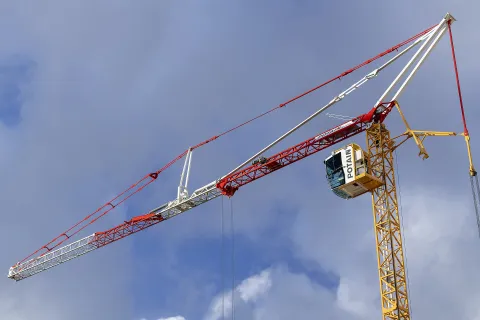
| Potain Igo T 85 A | Manitowoc | — | — |
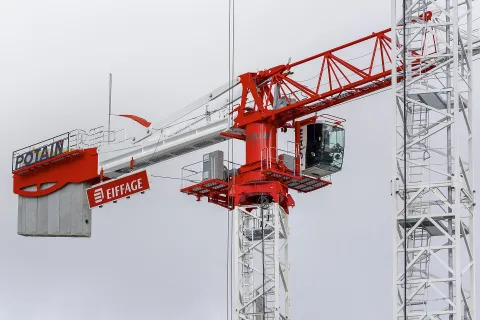
| Potain MDT 389 | Manitowoc | — | — |
A tower crane is a fixed crane with a vertical mast (tower) and a horizontal or luffing jib, used to lift materials on building sites. Tower cranes give height and reach that mobile cranes cannot provide economically over the months or years of a building project.
Types of tower cranes
- Hammerhead (top-slewing) cranes have a horizontal jib and a tower head ("cat head") with tie bars. Traditional and efficient.
- Flat-top (topless) cranes have no tower head, so they are lower and easier to erect and to overlap with other cranes on busy sites. Examples: Liebherr EC-B, Potain MDT.
- Luffing-jib cranes raise and lower the jib, so it can work in tight city sites without oversailing neighbouring buildings.
- Self-erecting cranes fold up for transport on their own axles and unfold in hours, ideal for houses and small projects. Example: Potain Igo.
Key specifications
- Maximum jib length and tip load (load at the jib end).
- Maximum capacity (close to the mast).
- Free-standing height before tying to the building.
Climbing
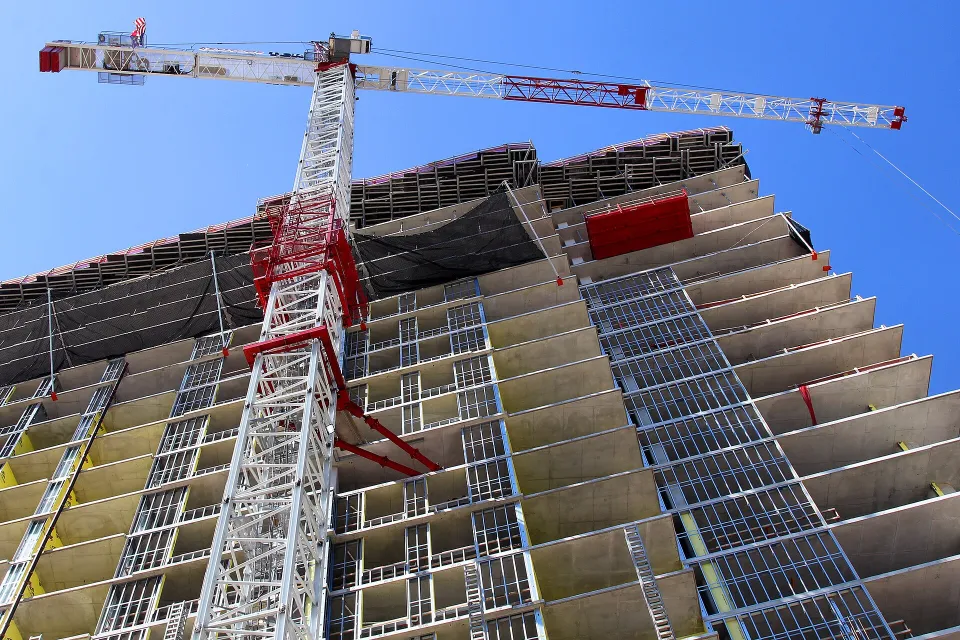
Most top-slewing cranes grow with the building using a climbing frame that inserts new mast sections hydraulically. Internal climbing cranes sit inside the core of skyscrapers.
Safety
Tower crane operation requires certified operators and riggers, regular inspections, anemometer wind monitoring and anti-collision systems on sites with several cranes.
Frequently asked questions
How are tower cranes erected?
Usually with a mobile crane, which lifts the mast sections, slewing unit, jibs and counterweights into place. Self-erecting cranes unfold themselves.
Lifting & Access