
 Editor’s pick
Liebherr
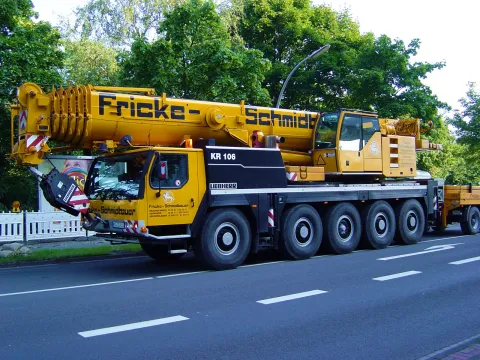
Liebherr LTM 1100-5.2
- Max. lifting capacity
- 100 t
- Telescopic boom
- 60 m
- Max. hook height
- 91 m
Lifting & Access
Mobile cranes drive to the job and lift anything from air-conditioning units to wind turbines. This guide explains the main types, how capacity is rated and why the load chart matters most.
Model guides
Editor’s pick
Liebherr
9 models · click a column to sort
| Liebherr LTM 1100-5.2 | Liebherr | — | — |
| Grove GMK5250L | Manitowoc | — | — |
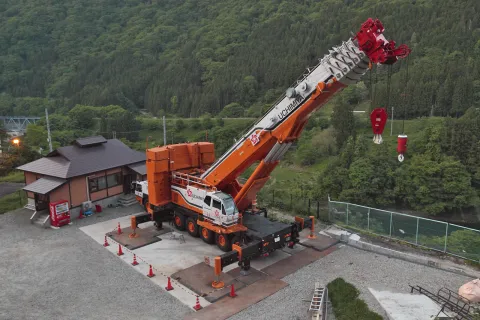
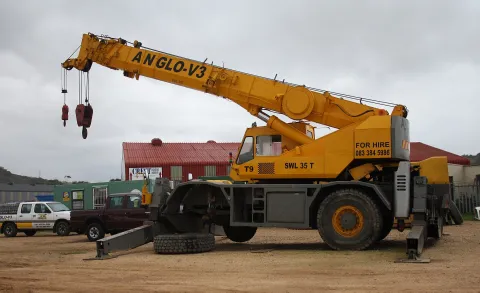
| Grove RT9130E-2 | Manitowoc | — | — |
| Liebherr LTM 1060-3.1 | Liebherr | — | — |
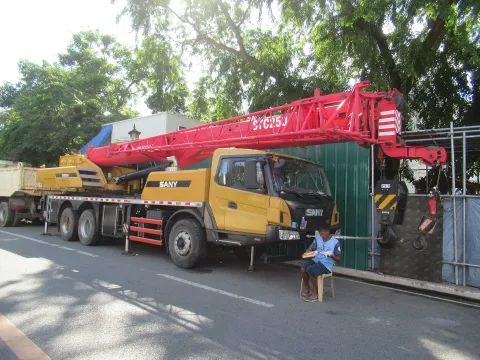
| SANY STC250 | SANY | — | — |
| Tadano AC 4.080-1 | Tadano | — | — |
| Tadano ATF 220G-5 | Tadano | — | — |
| Tadano GR-1000XL-4 | Tadano | — | — |
| XCMG XCT25 | XCMG | — | — |
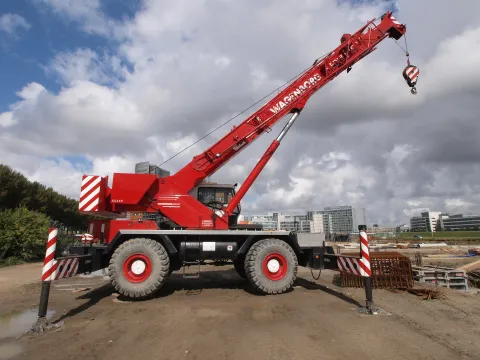
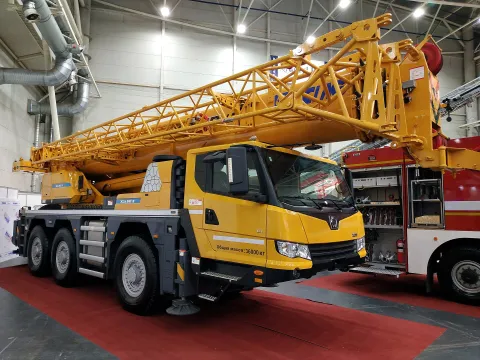
A mobile crane is a self-propelled crane with a telescopic or lattice boom that can drive to a job and set up quickly. Mobile cranes are used for building construction, steel erection, industrial plants, bridges, wind turbines and countless one-off lifts.
A crane's headline rating (e.g. 100 t) is its maximum capacity at a very short radius with all counterweight and outriggers fully extended. At real working radii, capacity is much lower. For example, a 100-tonne all-terrain crane may lift only a few tonnes at 40 m (130 ft) radius. Always plan lifts from the load chart for the exact configuration.
Modern cranes use load moment limiters (LMI) that prevent overload. Lifts must be planned by competent people, with ground conditions, outrigger mats and wind speed considered.
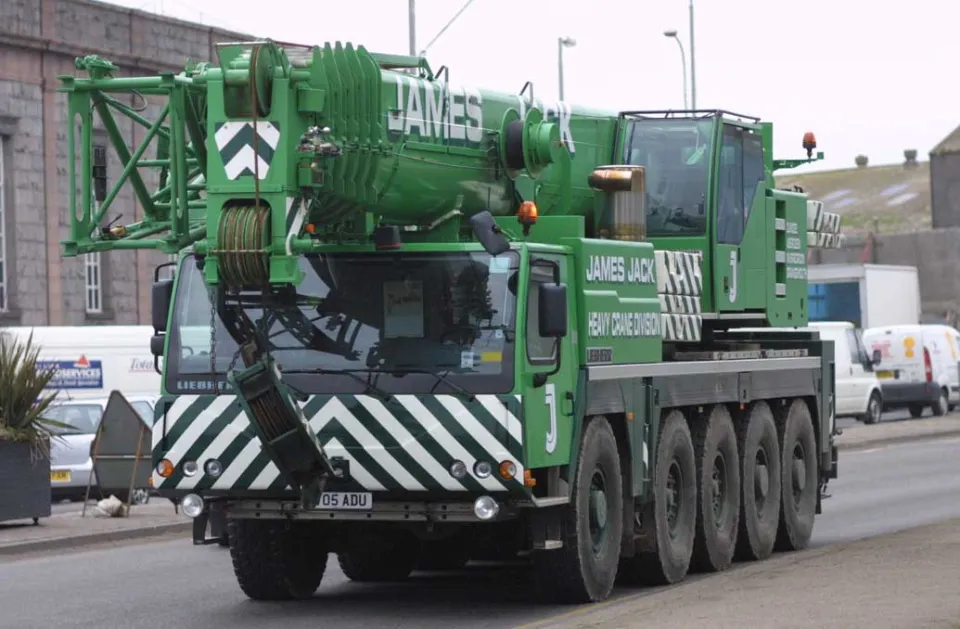
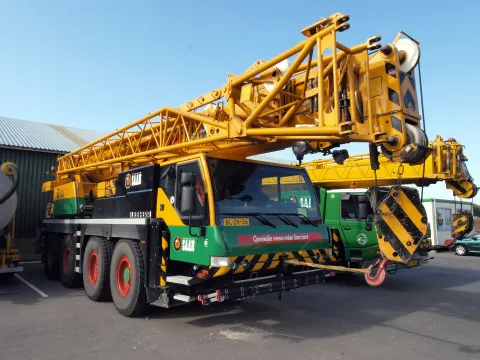
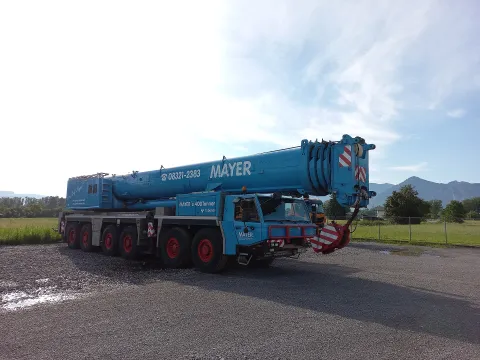
An all-terrain crane has all-wheel drive and steering with a crane-specific chassis and can drive both on roads and on rough sites. A truck crane uses a road truck chassis, is cheaper and is mainly used on roads and prepared sites.
The Liebherr LTM 11200-9.1 is among the largest telescopic all-terrain cranes, rated at 1,200 tonnes with a telescopic boom of about 100 m.
Lifting & Access