
 Editor’s pick
Road Construction
Cold planers: milling machines that remove old asphalt
Cold milling machines remove worn asphalt and concrete layer by layer so roads can be resurfaced. Learn how they work, the size classes and how milled asphalt is recycled.
Model guides
Popular cold planers reviewed
Editor’s pick
Cold Planers compared
3 models · click a column to sort
| Wirtgen W 210 Fi | Wirtgen Group | — | 571 kW / 766 hp |
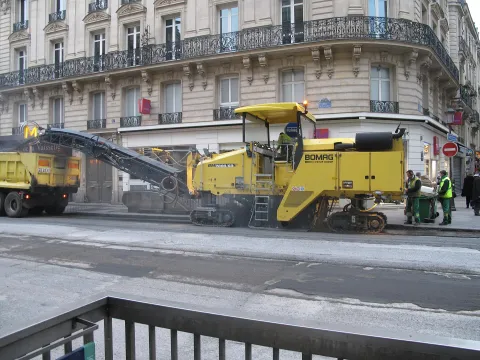
| BOMAG BM 2000/60 | BOMAG | — | — |
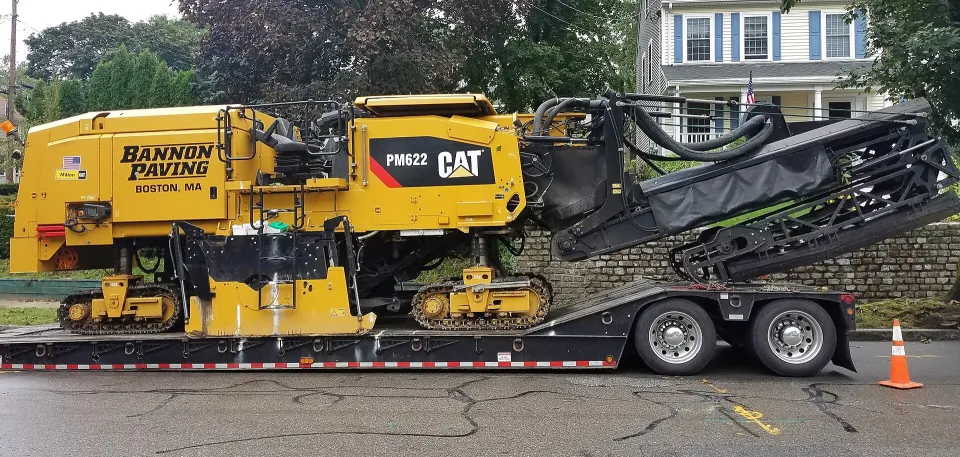
| Caterpillar PM622 | Caterpillar | — | — |
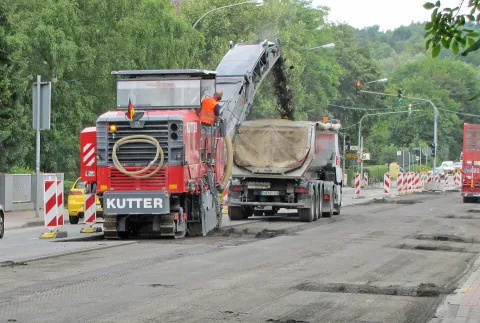
A cold planer (cold milling machine, asphalt milling machine or road planer) removes the top layers of a road using a rotating cutting drum fitted with hundreds of carbide-tipped picks. The milled material is loaded onto trucks by a conveyor and is usually recycled as reclaimed asphalt pavement (RAP).
Why mill?
Milling removes cracked, rutted or oxidised asphalt, restores levels and kerb heights, and creates a textured surface for the new layer to bond to. It is the first step of most resurfacing projects.
Size classes
- Small mills (0.35–1.3 m / 1–4 ft cutting width) for patches, utility cuts and around obstacles.
- Compact mills (1–1.5 m) with rear-loading conveyors for urban streets.
- Large mills (1.5–4.4 m / 5–14.5 ft) with front-loading conveyors for highways and airports.
Key features
- Levelling systems control milling depth from sensors or 3D models.
- Interchangeable drums with different pick spacing for coarse or fine milling.
- Water spray cools the picks and suppresses dust.
- Telematics and pick wear monitoring help manage costs.
Milling is followed by sweeping, then paving with an asphalt paver.
Frequently asked questions
How deep can a cold planer mill?
Large milling machines can typically mill up to about 30–35 cm (12–14 in) in a single pass.
Road Construction