
 Editor’s pick
Agriculture
Combine harvesters: threshing systems, classes and the largest machines
A combine harvester cuts, threshes, separates and cleans grain in one pass. Learn the difference between conventional, rotary and hybrid combines, combine classes and the biggest machines.
Model guides
Popular combine harvesters reviewed
Editor’s pick
Deutz-Fahr
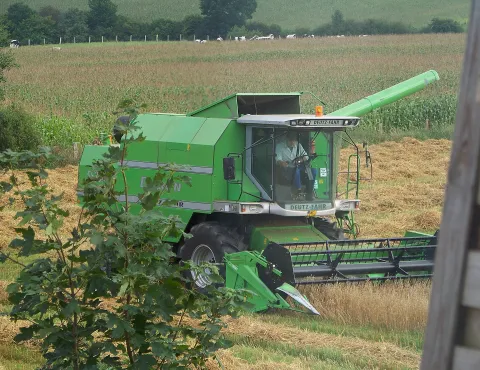
Deutz-Fahr C9306 TS
- Power
- 389 hp
- Threshing system
- Walker + Turbo Separator
- Straw walkers
- 6
Combine Harvesters compared
6 models · click a column to sort
| CLAAS LEXION 8900 | CLAAS | — | 581 kW / 779 hp |
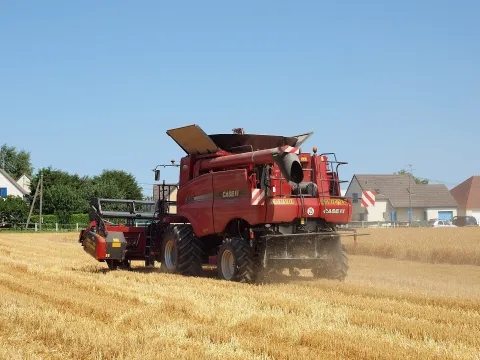
| Case IH Axial-Flow 9250 | Case IH | — | 473 kW / 634 hp |
| Deutz-Fahr C9306 TS | Deutz-Fahr | — | 290 kW / 389 hp |
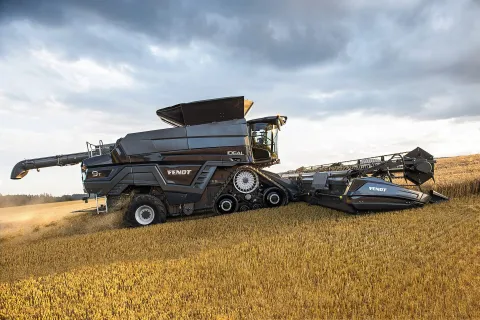
| Fendt IDEAL 10T | Fendt | — | 581 kW / 779 hp |
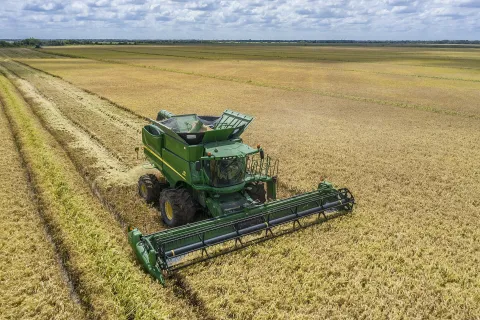
| John Deere S790 | John Deere | — | 405 kW / 543 hp |
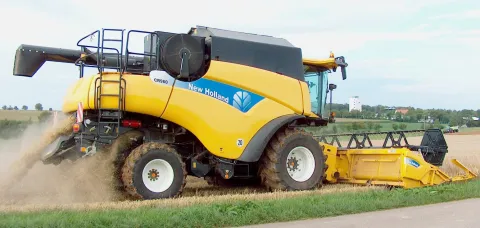
| New Holland CR10.90 | New Holland | — | 498 kW / 668 hp |
A combine harvester "combines" four operations: cutting the crop with a header, threshing grain from the ears, separating grain from straw and cleaning it of chaff, before storing it in a grain tank. Modern combines harvest wheat, barley, canola, soybeans, corn (maize), rice and many other crops with the right header.
Threshing and separating systems
- Conventional (walker) combines use a transverse threshing drum and straw walkers. They are gentle on straw, which matters where straw is baled.
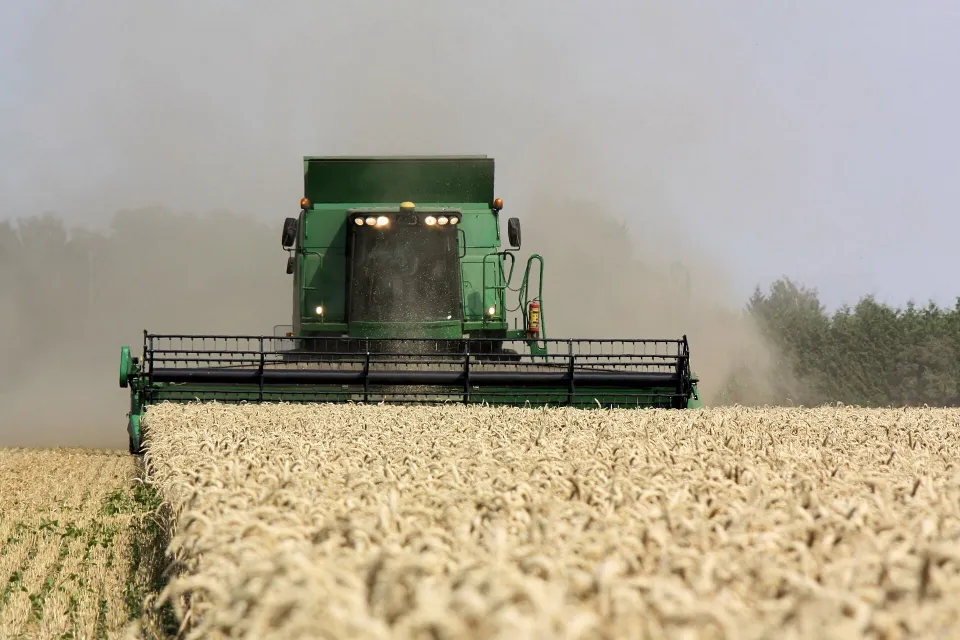
- Rotary combines use one or two longitudinal rotors to thresh and separate by centrifugal force. They have high capacity and simplicity, and dominate in North America. Examples: John Deere S-series, Case IH Axial-Flow, New Holland CR (twin rotor).
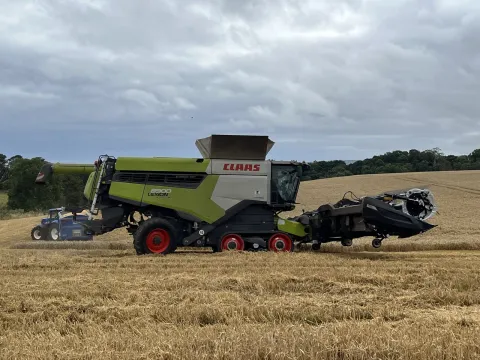
- Hybrid combines use a transverse threshing drum followed by rotary separators. CLAAS LEXION is the best-known example.
Combine classes
The North American industry groups combines by power and capacity, from Class 5 (around 200 hp) to Class 10 and above (over 600 hp). The largest machines today exceed 750 hp and carry grain tanks of 18,000–20,000 litres (500–570 bushels).
Headers
- Draper headers with belts for cereals and soybeans, up to 15 m (50 ft) wide.
- Auger (platform) headers for cereals.
- Corn heads with 6 to 18 rows.
- Pick-up headers for windrowed crops.
Technology
Yield mapping, automatic settings adjustment, grain-quality cameras, auto-steering and automatic unloading coordination with grain carts help operators get the most from these very expensive machines.
Frequently asked questions
What is the largest combine harvester?
The largest current combines, such as the CLAAS LEXION 8900, New Holland CR11, John Deere X9 1100 and Fendt IDEAL 10T, have engines of around 700–800 hp and grain tanks up to about 20,000 litres.
How much does a combine harvester cost?
New high-capacity combines typically cost US$600,000–1,000,000 or more, before headers.
Agriculture