
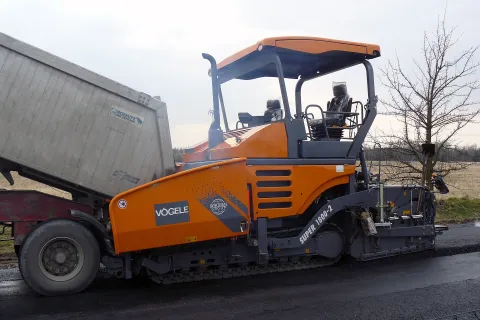
 Editor’s pick
Road Construction
Asphalt pavers: how roads are laid
An asphalt paver turns a truckload of hot mix into a smooth, even road surface. Learn how pavers and screeds work, tracked vs wheeled machines and the key specifications.
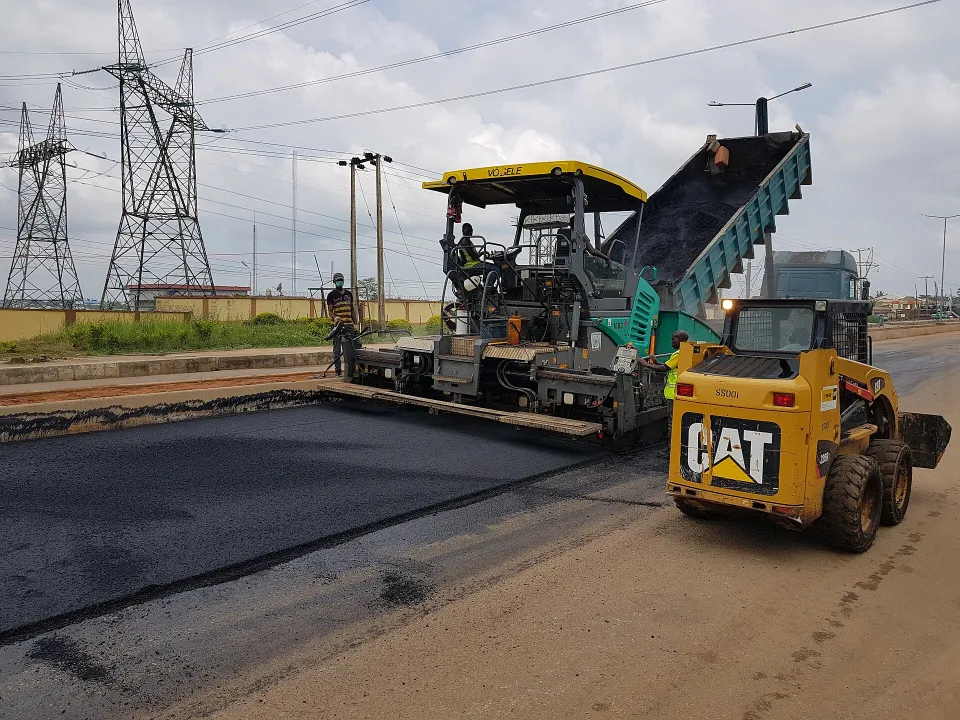
Model guides
Popular asphalt pavers reviewed
Editor’s pick
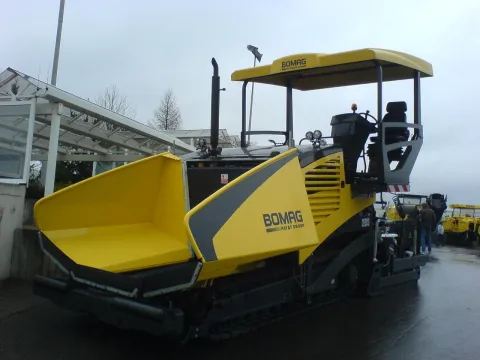
Asphalt paver
BF 600 C
BOMAG
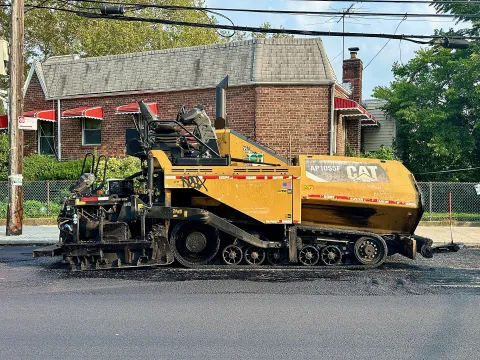
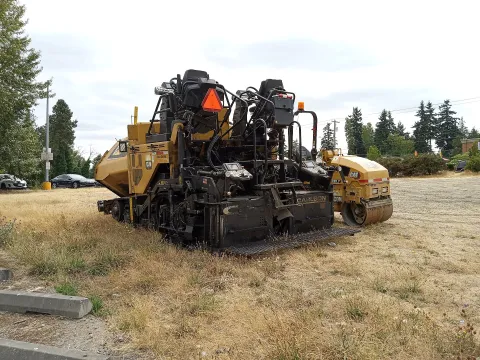
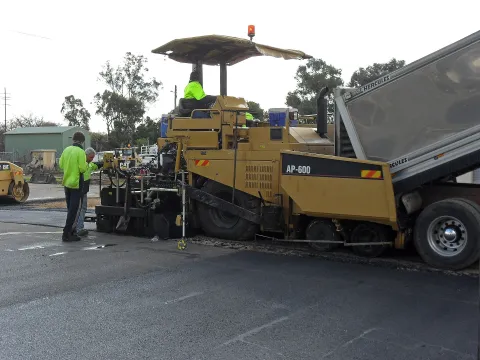
Caterpillar
Caterpillar AP655F
- Max. paving width
- 9.1 m
- Undercarriage
- Mobil-trac rubber tracks
- Screeds
- SE-series extending
Asphalt Pavers compared
10 models · click a column to sort
| Vögele SUPER 1800-3i | Wirtgen Group | — | 127 kW / 170 hp |
| BOMAG BF 300 C | BOMAG | — | — |
| BOMAG BF 600 C | BOMAG | — | — |
| Caterpillar AP1055F | Caterpillar | — | — |
| Caterpillar AP555F | Caterpillar | — | — |
| Caterpillar AP655F | Caterpillar | — | — |
| Dynapac SD2550C | Dynapac | — | — |
| Vögele SUPER 1300-3i | Wirtgen Group | — | — |
| Vögele SUPER 2100-3i | Wirtgen Group | — | — |
| Vögele SUPER 800-3i | Wirtgen Group | — | — |
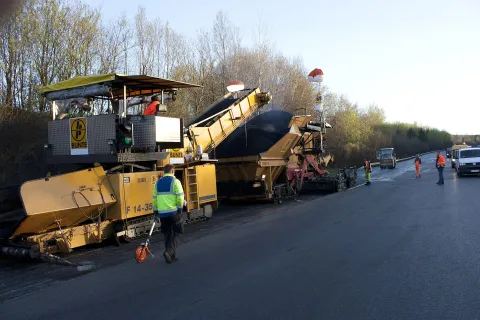
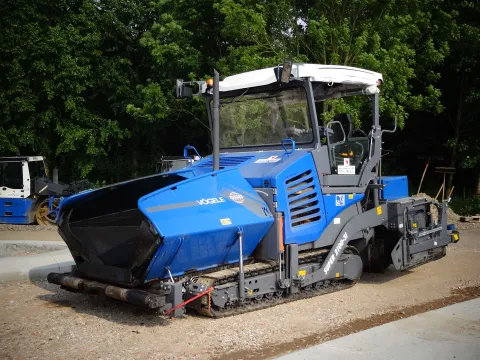
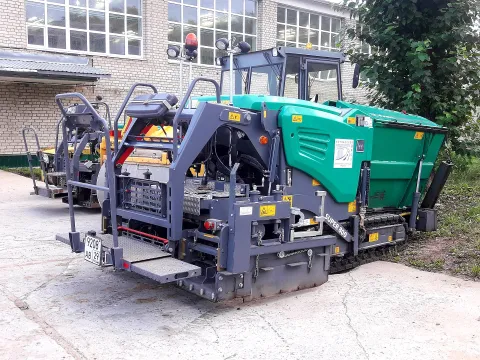
An asphalt paver (paver-finisher or asphalt finisher) receives hot mix asphalt from trucks or a feeder, spreads it to the required width and thickness and pre-compacts it with a heated screed. Rollers follow to finish compaction.
How a paver works
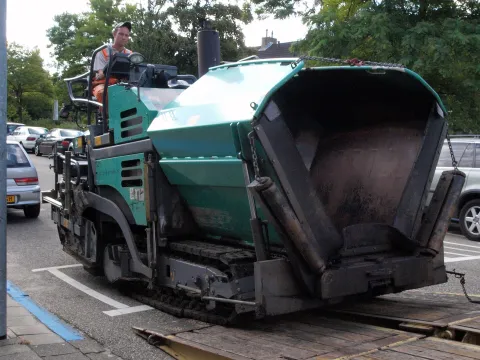
- Trucks tip asphalt into the hopper at the front.
- Slat conveyors carry the mix to the rear.
- Augers spread it across the full width in front of the screed.
- The screed, a heated, vibrating and tamping plate, floats on the mix and sets the thickness and smoothness.
The screed's tow points and angle determine the layer thickness. Grade and slope control systems (sensors, ski beams, or 3D) keep the surface level.
Tracked vs wheeled pavers
- Tracked pavers give maximum traction and smoothness on soft bases and wide highway work.
- Wheeled pavers travel faster between jobs and suit urban streets and frequent relocation.
Screed types
- Extending (variable-width) screeds hydraulically extend for varying widths, popular for urban and general paving.
- Fixed (rigid) screeds are assembled to width with bolt-on extensions, used for highway and airport work where the highest evenness is required.
- High-compaction screeds with tampers and pressure bars achieve higher pre-compaction.
Paving classes
Mini pavers lay 0.5–2.5 m (1.6–8 ft); medium pavers 2.5–9 m; highway-class pavers up to 13–16 m (43–52 ft) with fixed screeds.
Frequently asked questions
How thick can an asphalt paver lay?
Typically from around 2 cm (¾ in) for thin overlays to 30 cm (12 in) or more for base layers, depending on the machine and screed.
Road Construction