
 Editor’s pick
Agriculture
Self-propelled forage harvesters: chopping silage at scale
Self-propelled forage harvesters chop maize, grass and other crops into silage at enormous rates. Learn how they work, the headers they use and the leading machines.
Model guides
Popular forage harvesters reviewed
Editor’s pick
Forage Harvesters compared
4 models · click a column to sort
| CLAAS JAGUAR 990 | CLAAS | — | 680 kW / 912 hp |
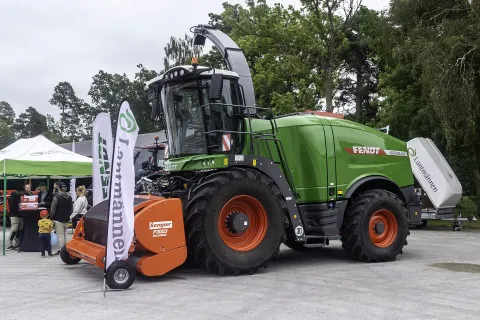
| Fendt Katana 850 | Fendt | — | 625 kW / 838 hp |
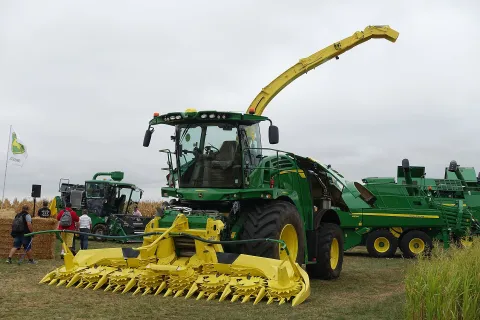
| John Deere 9900i | John Deere | — | 720 kW / 966 hp |
| New Holland FR920 | New Holland | — | 670 kW / 898 hp |
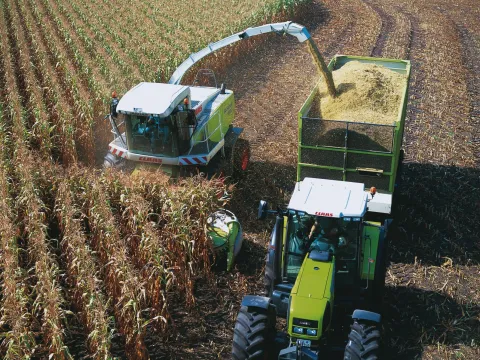
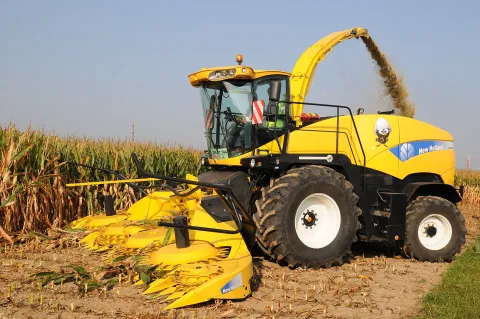
A self-propelled forage harvester (SPFH) cuts a crop, chops it into short pieces with a high-speed cutterhead and blows it into a trailer running alongside. The chopped material is ensiled to feed livestock or to supply biogas plants.
Key components
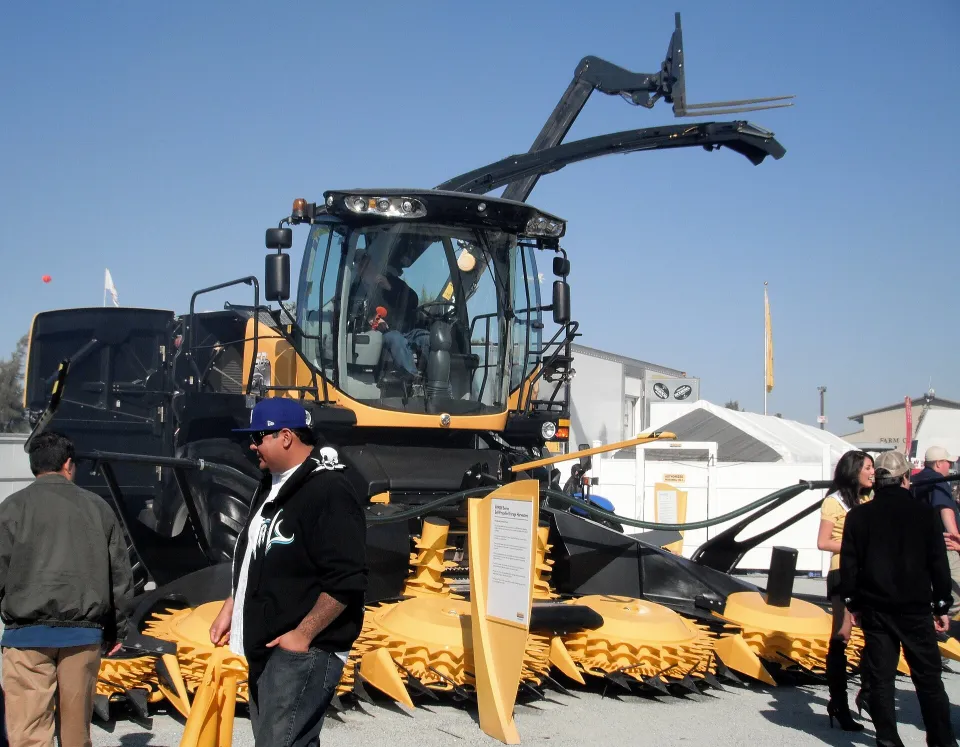
- Headers: rotary maize headers (row-independent), grass pick-ups and direct-cut headers for whole-crop silage.
- Cutterhead: a drum with knives that sets the chop length.
- Kernel processor (corn cracker): rollers that crack maize kernels for better digestibility.
- Spout and automatic trailer filling systems using cameras.
- NIR sensors that measure dry matter and nutrients on the go.
Capacity
Large forage harvesters have engines of 600–1,100 hp and can fill a trailer in about a minute. CLAAS has led the market since the JAGUAR was introduced in 1973.
Frequently asked questions
What is the difference between a forage harvester and a combine?
A combine separates grain from the rest of the plant. A forage harvester chops the whole plant into silage for livestock or biogas.
Agriculture