
 Editor’s pick
Road Construction
Road rollers and compactors: types and how compaction works
Compaction makes soil and asphalt strong and durable. Learn the difference between single-drum, tandem and pneumatic rollers, vibration vs oscillation, and how to pick the right compactor.
Model guides
Popular road rollers reviewed
Editor’s pick
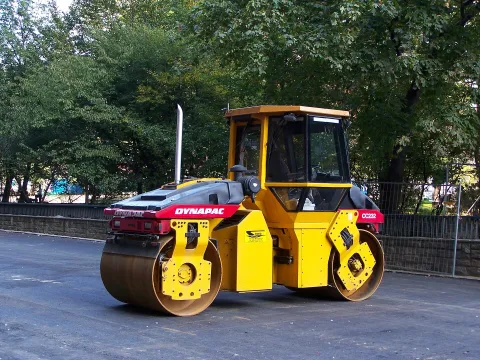
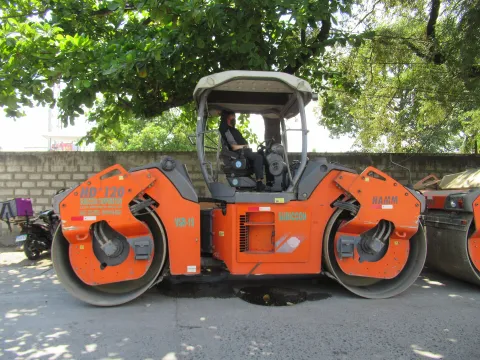
Road Rollers compared
5 models · click a column to sort
| BOMAG BW 213 D-5 | BOMAG | 13,000 kg | 100 kW / 134 hp |
| Caterpillar CS56B | Caterpillar | 11,000 kg | 97 kW / 130 hp |
| Dynapac CA2500D | Dynapac | 10,500 kg | — |
| Dynapac CC4200 | Dynapac | 11,000 kg | — |
| Hamm HD+ 120i | Wirtgen Group | 12,000 kg | — |
A road roller (compactor) uses its weight and, usually, vibration to press soil, gravel or asphalt into a dense, stable layer. Good compaction is the difference between a road that lasts 30 years and one that rutts in its first summer.
Main types
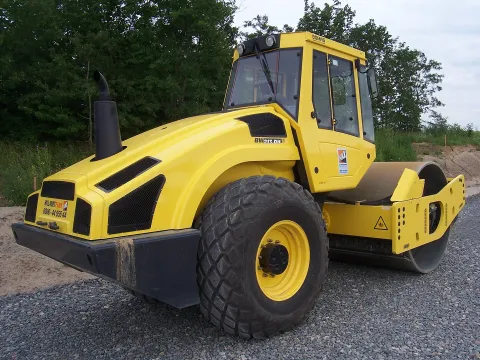
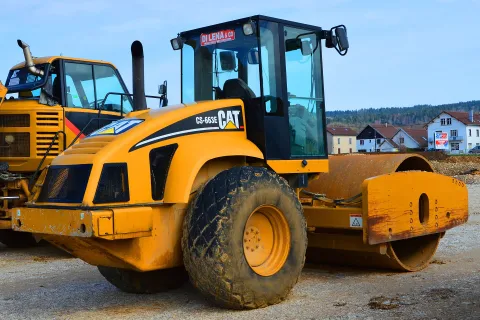
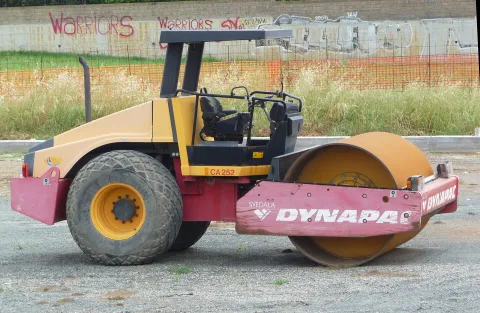
- Single-drum (soil) compactors have a large steel drum at the front and rubber tyres at the rear. Smooth drums suit granular soils and rock fill; padfoot drums knead cohesive soils such as clay. Typical weights: 7–25 t.
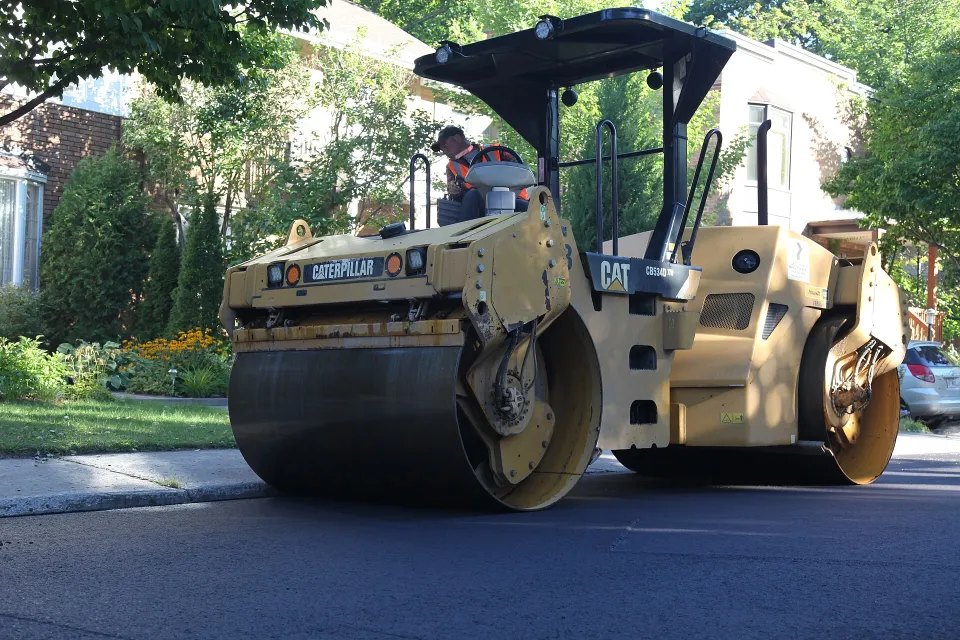
- Tandem rollers have two steel drums and are the standard for asphalt. Small 1–4 t models work on footpaths and patching; 7–14 t models compact road surfaces.
- Pneumatic tyre rollers use several rubber tyres that knead and seal asphalt surfaces and chip seals.
- Combination rollers have one steel drum and a set of tyres.
- Trench rollers and plate compactors for confined areas.
Vibration and oscillation
Vibratory drums spin an eccentric weight to make the drum bounce, adding dynamic force. Oscillation, pioneered by Hamm, rocks the drum back and forth so it stays in contact with the surface, transmitting force horizontally. Oscillation is gentler near buildings and bridges and reduces the risk of crushing aggregate.
Intelligent compaction
Modern rollers measure the stiffness of the material (e.g. BOMAG's BCM, Hamm's HCQ, Cat's Compaction Control) and record it with GPS coordinates, so crews can see coverage and density in real time and avoid over- or under-compaction.
Choosing a roller
Match the roller to the material and layer thickness. Asphalt work needs water spray systems to stop asphalt sticking to the drums, and the roller must keep pace with the paver.
Frequently asked questions
What is a padfoot roller used for?
Padfoot (sheepsfoot) drums have raised pads that knead cohesive soils like clay and silt, achieving density where smooth drums would just bridge the surface.
How heavy is a road roller?
From under 1 tonne for small trench and walk-behind rollers to about 25 tonnes for the largest soil compactors.
Road Construction