Rent, Lease or Buy Heavy Equipment? A Cost-per-Hour Framework
Should you rent, lease or buy your next machine? The answer depends on utilisation, cash flow, tax treatment and risk. Use this simple cost-per-hour framework to decide.

Every contractor eventually faces the question: rent, lease or buy? There is no universal answer, but there is a reliable method. Compare the total cost per productive hour of each option over the period you need the machine, then weigh the non-financial factors.
Step 1: Estimate utilisation
How many hours per year will you really use the machine? Be honest: include only productive hours, not hours parked on site.
- Under about 500 hours per year: renting usually wins.
- 500–1,000 hours: leasing or buying used often makes sense.
- Over 1,000 hours per year for several years: buying (new or used) is usually cheapest.
Step 2: Calculate ownership cost per hour
Ownership costs include:
- Depreciation: purchase price minus expected resale value, divided by hours of ownership.
- Finance cost: interest or the opportunity cost of your cash.
- Insurance, registration and storage.
Operating costs include fuel, maintenance and repairs, wear parts (undercarriage, tyres, ground-engaging tools), and operator wages.
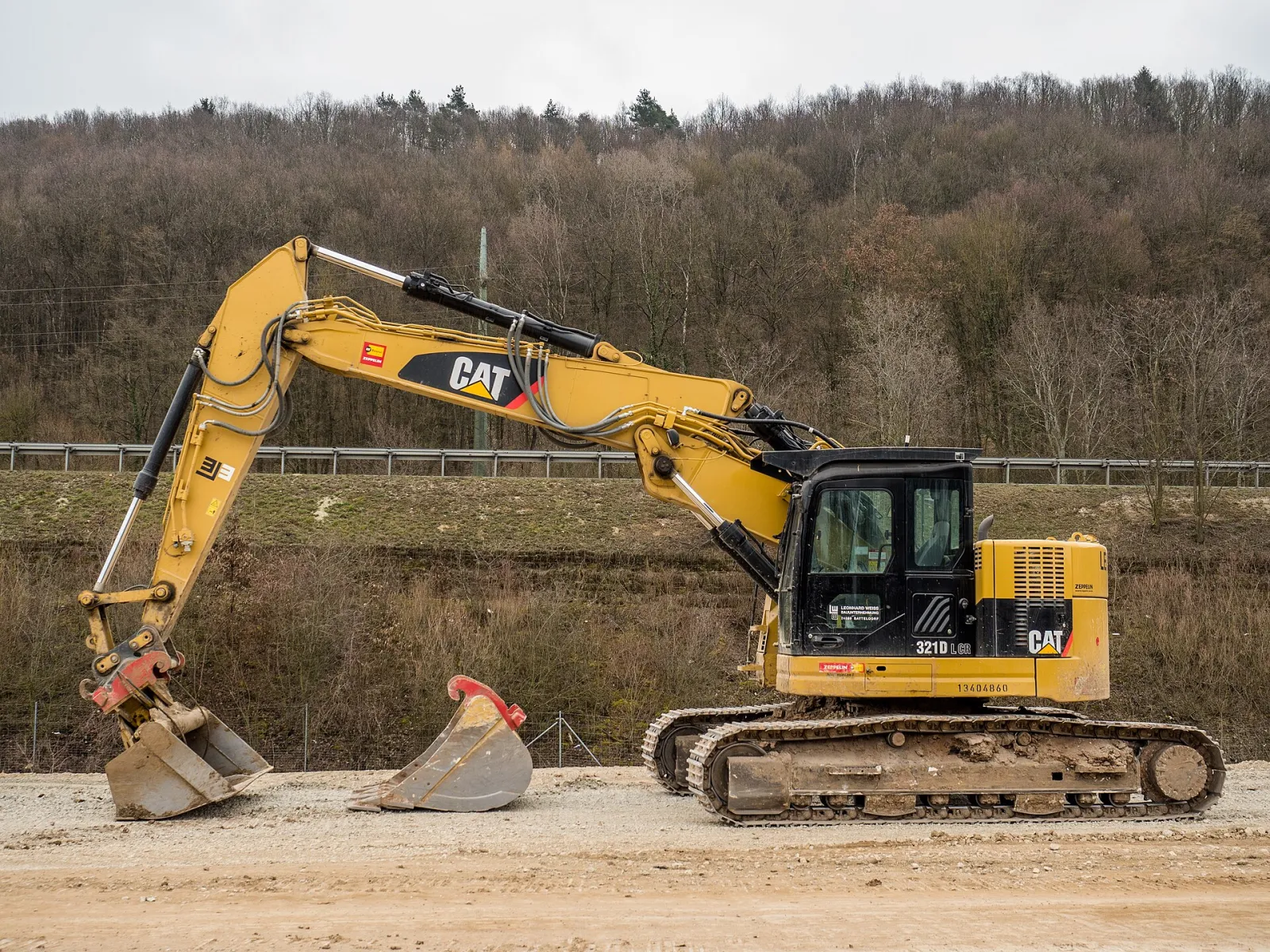
Example (illustrative only): a mid-size excavator bought for US$250,000, sold after 5 years and 6,000 hours for US$110,000, has a depreciation cost of about US$23 per hour, before finance, insurance, fuel and repairs.
Step 3: Compare with rental rates
Rental companies quote daily, weekly and monthly rates. A monthly rate is typically based on around 160–176 operating hours, with surcharges for more. Rental includes maintenance and often delivery, and lets you pick exactly the right machine for each job.
Step 4: Consider leasing
- Operating leases keep the asset off your balance sheet in some jurisdictions and include return conditions.
- Finance leases / hire purchase lead to ownership.
- Rent-to-own programmes credit part of rental payments to a purchase.
Leasing preserves cash and gives predictable payments, but read the small print on hour limits and return condition.
Non-financial factors
- Availability: will a rental machine be available when you need it?
- Specialised equipment you rarely need is almost always better rented.
- Machine control and telematics: owning lets you set up and keep technology consistent.
- Brand and resale: premium brands depreciate more slowly.
- Tax: in many countries, depreciation allowances favour purchase. Ask your accountant.
A simple rule of thumb
Rent to cover peaks and specialised needs, own your core fleet that works every day, and review the mix every year.
Frequently asked questions
How many hours a year justify buying an excavator?
Many contractors find that buying makes sense once a machine works more than roughly 1,000 hours per year over several years, but the break-even depends on local rental rates, financing costs and resale values.