How to Read a Heavy Equipment Spec Sheet
Operating weight, net vs gross power, breakout force, tipping load, rated capacity: spec sheets are full of numbers that look comparable but often are not. Here is what each one really means.

Every manufacturer publishes specifications, and dealers love to compare them. But the same word can mean different things on different spec sheets, and small print about configurations often matters more than the headline number. This guide explains the specifications you will see on Worksite Machines model pages and how to compare them fairly.
Operating weight
Operating weight is the weight of the machine ready to work. Most manufacturers include full fuel, lubricants and coolant, a standard bucket or blade and an operator (often 75 kg / 165 lb), but definitions vary. For excavators, the figure also depends on the boom, arm, counterweight and track shoe width.
Why it matters:
- Heavier machines are usually more stable and lift more.
- Weight determines transport: trailer rating, axle loads and permits.
- Shipping weight is different from operating weight and is the figure to use for transport planning.
Engine power: gross vs net
- Gross power (SAE J1995 / ISO 14396) is measured at the flywheel without the fan and some accessories.
- Net power (SAE J1349 / ISO 9249) is measured with standard accessories running and is therefore lower.
Always compare net with net or gross with gross. The difference can be 5–10%. Also note that some machines have power modes or "power boost" functions, so the maximum may only be available briefly.
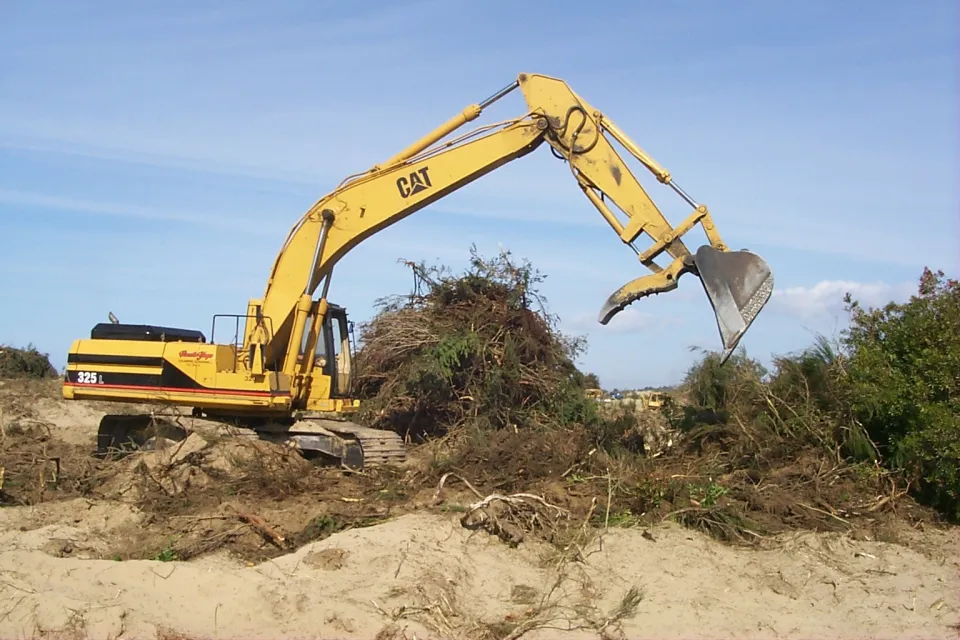
Excavator digging specifications
- Maximum digging depth is measured to the bucket tip with a specific arm. A longer arm digs deeper but reduces force.
- Maximum reach at ground level shows how far the machine can work without moving.
- Bucket digging force and arm (stick) digging force (ISO 6015) indicate how hard the machine can dig. Bucket force is usually higher.
- Lift capacity must be read from the full lift chart at your actual radius and height, over the front or over the side, with or without the blade down.
Loader specifications
- Static tipping load is the load at which the rear of the machine lifts off the ground, measured straight and at full turn (articulated loaders).
- Rated operating capacity (ROC) for skid steers and CTLs is 50% of tipping load for wheeled machines and 35% for tracked ones.
- Breakout force is the force available to break into a pile.
- Dump clearance decides which trucks you can load.
- Bucket capacity is quoted heaped (SAE J742 / ISO 7546); the right bucket depends on material density.
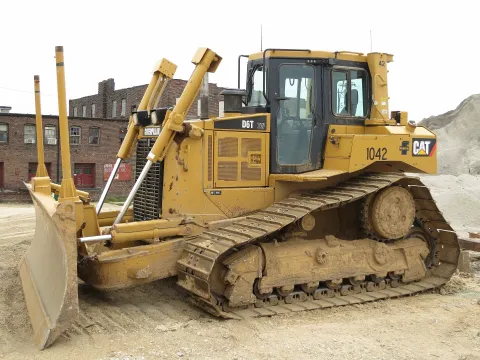
Dozer specifications
- Blade capacity (SAE J1265 / ISO 9246) shows the theoretical volume in front of the blade.
- Drawbar pull shows pushing and pulling power, limited by traction.
- Ground pressure shows flotation on soft ground; LGP versions have lower figures.
Truck and hauler specifications
- Rated payload and heaped body volume: make sure your loader can fill the body in a sensible number of passes.
- Gross vehicle weight matters for haul road design and tyres.
Crane and telehandler specifications
The headline capacity is measured at a very short radius with full counterweight and outriggers. Always use the load chart for the configuration you will actually use.
Units and conversions
Worksite Machines gives key figures in metric and imperial: 1 tonne = 1,000 kg ≈ 2,205 lb; 1 kW ≈ 1.341 hp; 1 m³ ≈ 1.308 yd³; 1 m ≈ 3.28 ft. US "tons" are short tons of 2,000 lb.
The bottom line
Use spec sheets to shortlist machines in the right class, then compare real-world factors: fuel use in your application, dealer support, resale value and operator preference. Use our model finder and comparison tool to start.
Frequently asked questions
What is the difference between operating weight and shipping weight?
Operating weight includes fuel, fluids, a standard attachment and usually an operator. Shipping weight is the weight as transported, often with less fuel and sometimes without the bucket or counterweight.
Is net or gross horsepower more important?
Net power is a better reflection of the power available to do work. Just make sure you compare the same measurement across machines.