Maintenance
Operating Heavy Equipment in Cold Weather: Winter Preparation Checklist
Cold weather is hard on diesel engines, hydraulics, batteries and operators. This winter checklist covers fuel, fluids, warm-up, DEF and safe operation in snow and ice.


Low temperatures thicken oils, gel diesel fuel, weaken batteries, freeze DEF and make steel more brittle. A little preparation prevents most winter breakdowns.
Before winter
- Fuel: switch to winter-grade diesel or add an anti-gel additive. Drain water from separators and tanks; keep tanks full to reduce condensation.
- Engine oil: use the viscosity grade recommended for your temperature range (for example 10W-30 or 5W-40).
- Hydraulic oil: consider a multi-grade or low-temperature hydraulic oil in very cold climates.
- Coolant: test freeze protection and concentration.
- Batteries: load-test and clean terminals. Cold reduces battery capacity significantly.
- Block heaters and grid heaters: check they work.
- DEF/AdBlue: freezes at about −11 °C (12 °F). Modern machines have heated DEF systems, but check them, and store DEF above freezing.
Starting and warming up
- Plug in block heaters several hours before starting.
- Let the engine warm at low idle, then warm the hydraulics by slowly cycling functions without load before working hard.
- Do not let machines idle for hours: long idling causes wet-stacking and aftertreatment problems.
During operation
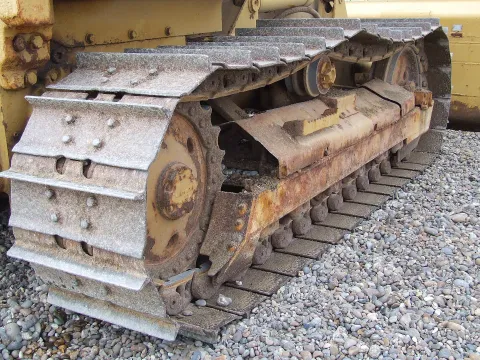
- Check tracks and undercarriage for frozen mud; clean at the end of the day so tracks do not freeze to the ground.
- Park on timber mats or gravel, not in mud that will freeze.
- Watch for brittle fractures in steel and hoses.
- Use winter tyres or chains on wheeled machines.
Operator safety
Visibility, slippery steps and cold stress are serious risks. Keep steps and handholds clear of ice, use three points of contact and provide warm breaks.
Frequently asked questions
At what temperature does diesel gel?
Standard summer diesel can start to form wax crystals (cloud point) around −5 °C to 0 °C (23–32 °F) and gel at lower temperatures. Winter blends and additives lower these points.