Hydraulic Oil Contamination: The Silent Killer of Heavy Equipment
Most hydraulic failures start with contamination: dirt, water, air or the wrong oil. Learn how contamination gets in, how to detect it and how to keep your hydraulic system clean.

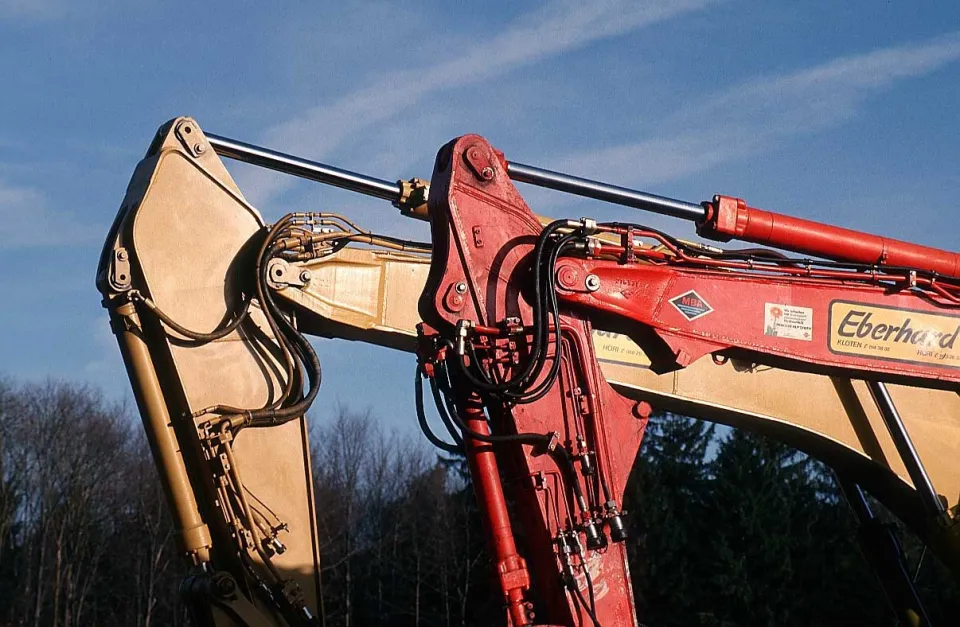
Modern hydraulic systems run at pressures of 300–380 bar (4,350–5,500 psi) with clearances measured in microns. A particle you cannot see can score a pump, stick a valve spool or cut a seal. Industry studies have long attributed the majority of hydraulic failures to contamination.
Types of contamination
- Particles: dirt, sand, wear metals, paint and seal debris.
- Water: from condensation, pressure washing and damaged seals. Water reduces lubrication and causes corrosion.
- Air: from low oil levels or leaks on the suction side, causing cavitation and foaming.
- Heat and oxidation: degrade the oil and form varnish.
- Wrong or mixed oil: different viscosity or additive packages.
How dirt gets in
- Through tank breathers and filler caps.
- During hose and component replacement.
- Via worn cylinder rod seals and wipers.
- From new oil: new oil is not necessarily clean oil. Filter it when filling.
- From attachments with dirty quick couplers.
Detecting contamination
- Oil analysis reports particle counts (ISO 4406 cleanliness code), water content, viscosity and wear metals.
- Symptoms: slow or jerky functions, overheating, whining pumps, sticking valves, frequent filter bypass alerts.
- Visual signs: milky oil (water), dark burnt oil (overheating), foaming (air).
Keeping hydraulics clean
- Clean couplers and hoses before connecting attachments; keep dust caps on.
- Filter new oil through a filter cart when filling.
- Change filters on schedule and use quality filters.
- Use desiccant breathers in humid or dusty environments.
- Replace damaged rod seals and wipers promptly.
- Keep the oil cool: clean coolers and check fan operation.
- Use the correct oil recommended by the manufacturer.
A clean system lets you extend hydraulic oil change intervals safely and protects the most expensive components on your machine. See our full maintenance schedule.
Frequently asked questions
What does ISO 4406 mean on an oil report?
ISO 4406 is a code that describes the number of particles larger than 4, 6 and 14 microns per millilitre of oil. Lower numbers mean cleaner oil; manufacturers specify target codes for their systems.