Types of Excavators: 10 Designs and What Each One Is For
Crawler, wheeled, mini, long-reach, demolition, amphibious, suction: excavators come in many forms. Here is what each type does and when to choose it.

"Excavator" covers a surprisingly wide family of machines. Here are the main types you will meet on jobsites and in rental catalogues.
1. Crawler excavators
The standard hydraulic excavator on steel tracks: stable, strong and suited to almost any ground. Sizes range from 10 to 100+ tonnes.
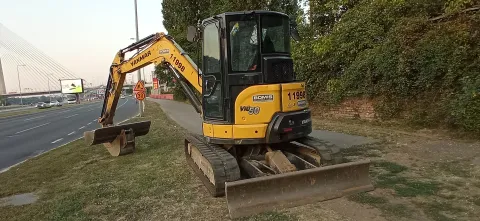
2. Mini and midi excavators
Under about 10 tonnes, these compact machines work in gardens, streets and inside buildings.
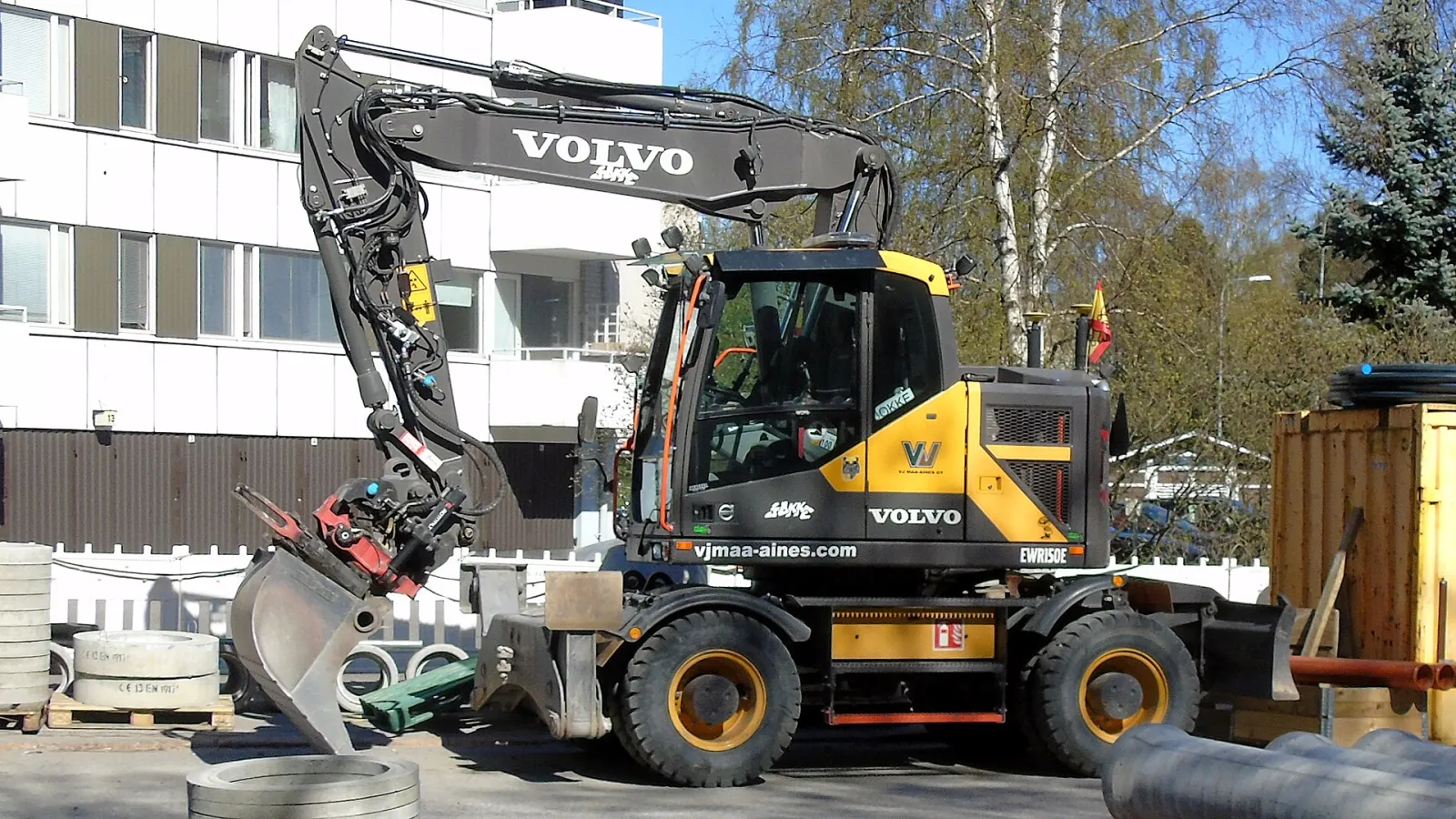
3. Wheeled excavators
On rubber tyres with road-going speeds, wheeled excavators dominate urban utility work in Europe.
4. Zero and reduced tail swing excavators
The counterweight stays within or near the track width, allowing work beside walls and traffic.
5. Long-reach excavators
Extended booms and arms reach 15–30 m (50–100 ft) for dredging, river banks and slope work, at the cost of reduced bucket size.
6. High-reach demolition excavators
Specialised booms carry shears, crushers or grabs at heights of 20–50 m for demolishing buildings floor by floor.
7. Material handlers
Excavator-based machines with elevating cabs and grapples for scrap and ports. See material handlers.
8. Amphibious excavators
Mounted on sealed pontoons, they work in swamps, wetlands and shallow water.
9. Walking (spider) excavators
Legged machines such as those by Menzi Muck and Kaiser climb steep slopes and work in rivers and mountains.
10. Suction (vacuum) excavators
Not a hydraulic digger at all: powerful vacuum systems remove soil around buried utilities safely.
Which do you need?
For most construction, a crawler or mini excavator is the answer. Choose wheeled for road-based work, zero tail swing for tight sites, and specialised types only when the job demands it. Read what size excavator do I need?