What Size Excavator Do I Need? A Practical Sizing Guide
From 1-tonne micro diggers to 45-tonne production machines, choosing the right excavator size saves money and time. Match the machine to dig depth, trucks, lifts, access and transport.

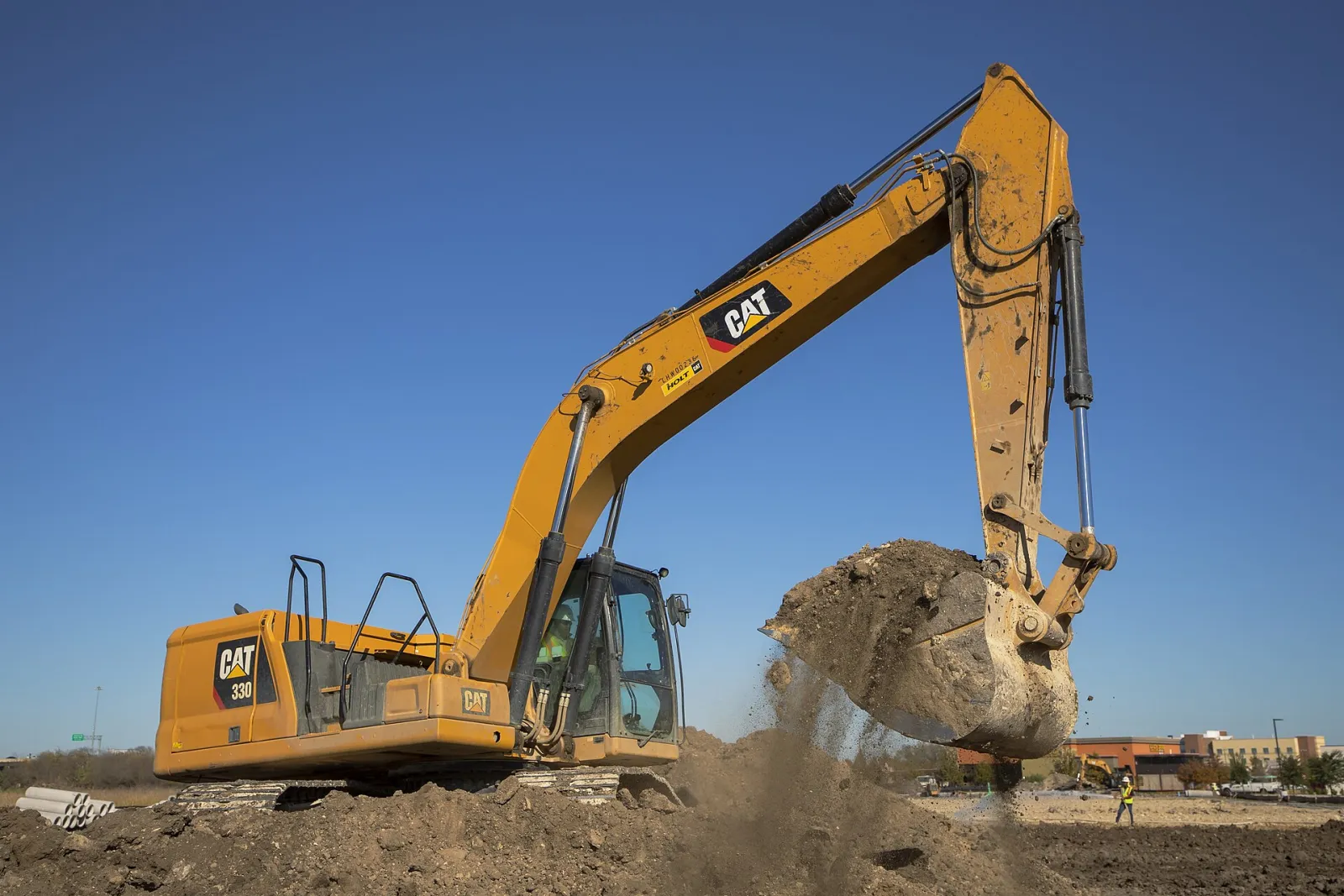
Choosing an excavator that is too small wastes time; choosing one that is too big wastes money on hire, fuel, transport and ground damage. Here is how professionals size an excavator for a job.
Start with the five questions
- How deep and how far do you need to dig?
- What will you load, and how high are the truck sides?
- What is the heaviest lift, at what radius?
- How much space and access is there? Gates, overhead lines, neighbouring buildings, traffic.
- How will the machine be transported, and what are the road limits?
Excavator sizes at a glance
| Size | Weight | Typical dig depth | Good for |
|---|---|---|---|
| Micro | 0.8–1.2 t | 1.5–1.8 m (5–6 ft) | Interior work, garden access through gates |
| Mini | 1.5–3.5 t | 2.2–3.2 m (7–10.5 ft) | Landscaping, cable and pipe trenches, footings |
| Large mini | 4–6 t | 3.4–4 m (11–13 ft) | House foundations, drainage, sewer connections |
| Midi | 6–10 t | 4–4.7 m (13–15.5 ft) | Utility work, small sites, loading small trucks |
| Small | 12–16 t | 5–5.8 m (16–19 ft) | Road works, utilities, site prep |
| Medium | 20–25 t | 6.5–7 m (21–23 ft) | General construction, truck loading, pipelines |
| Large | 30–50 t | 7–8 m (23–26 ft) | Mass excavation, quarries, heavy demolition |
Matching to trucks
A good rule: the excavator should fill a truck in 4 to 6 passes. A 20-tonne excavator with a 1.2 m³ bucket loads a 20-tonne tipper in about 5–6 passes; a 30-tonne excavator suits articulated dump trucks of 25–30 tonnes.
Lifting
If you lift pipe, manholes or precast units, check the lift chart, not the weight. A machine lifts far less at full reach and over the side than close in over the tracks.
Access and tail swing
On tight sites, choose a zero or reduced tail swing model, or a wheeled excavator for roadside work.
Transport
Mini excavators up to around 3.5 t can often be towed on a plant trailer. Machines over about 8–10 t usually need a truck and low-loader. In many countries, 20–25 t machines are the largest that travel without special permits.
Buy or hire?
For one-off jobs, hire the right size for each job. For regular work, buy the size that covers most of your jobs and hire for the rest. See our guide: rent, lease or buy.
Frequently asked questions
What size excavator do I need for a house foundation?
For a typical house foundation, a 5–8 tonne excavator is usually ideal, giving 3.5–4.5 m of dig depth while staying easy to transport and manoeuvre.
What size excavator digs a swimming pool?
Many contractors use a 5–14 tonne excavator for residential pools, depending on depth, access and how the spoil is removed.