Safety & Operation
Crane Hand Signals: The Standard Signals Every Rigger and Operator Should Know
Clear communication between the signal person and the crane operator prevents accidents. Here are the standard crane hand signals and the rules for using them.

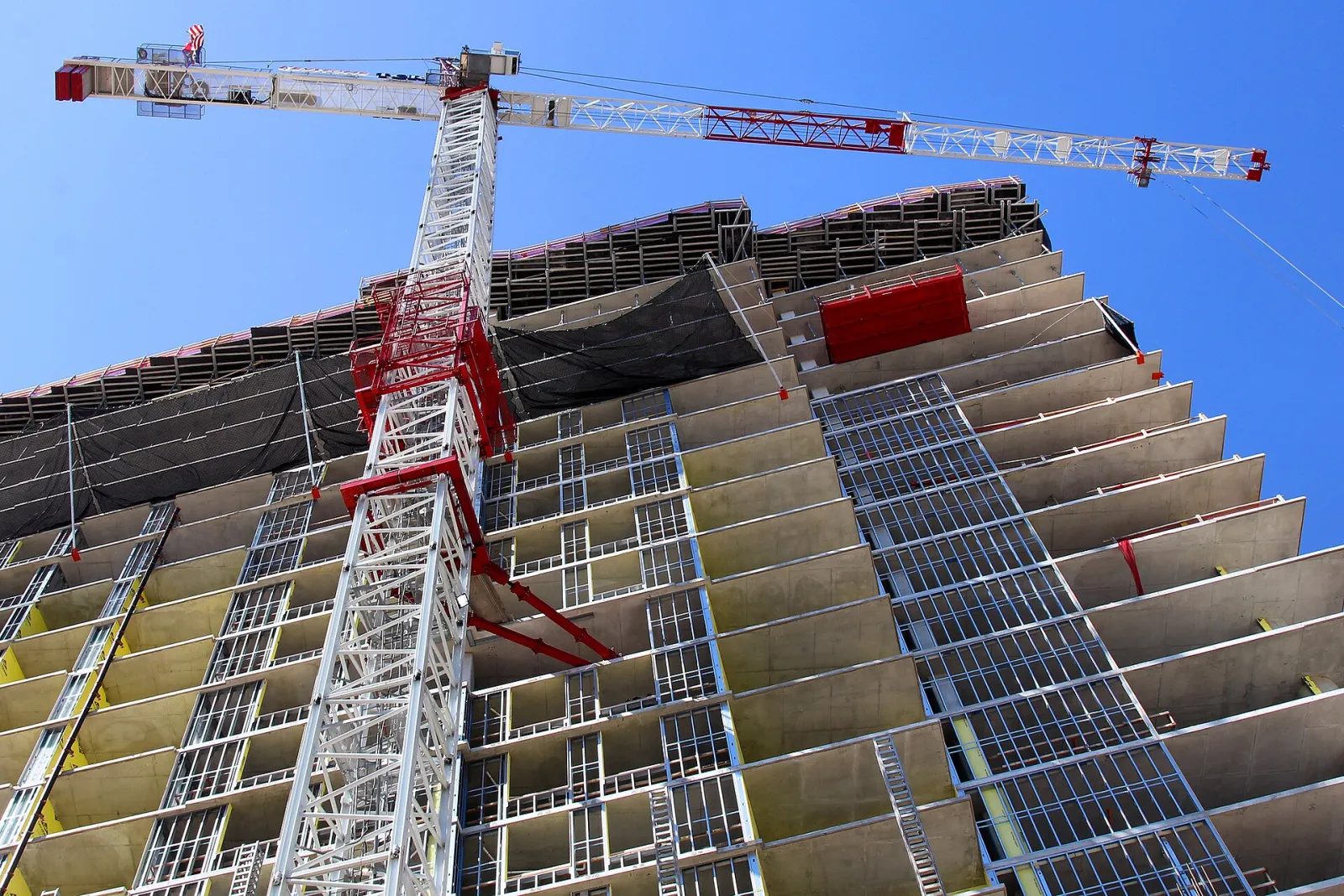
When a crane operator cannot see the load, a qualified signal person guides every movement. Standardised hand signals mean the operator and signaller understand each other without words. In the USA, ASME B30.5 and OSHA 1926 Subpart CC set out standard signals; other countries use similar charts (for example BS 7121 in the UK). Always use the signals specified for your site and post the chart at the crane.
The most common hand signals
- Hoist (raise the load): forearm vertical, forefinger pointing up, move hand in small horizontal circles.
- Lower: arm extended downward, forefinger pointing down, move hand in small horizontal circles.
- Use main hoist: tap fist on head, then use regular signals.
- Use whipline (auxiliary hoist): tap elbow with one hand, then use regular signals.
- Raise boom: arm extended, fingers closed, thumb pointing upward.
- Lower boom: arm extended, fingers closed, thumb pointing downward.
- Swing: arm extended, point with finger in the direction of swing.
- Stop: arm extended, palm down, move arm back and forth horizontally.
- Emergency stop: both arms extended, palms down, move arms back and forth horizontally.
- Dog everything (pause all motion): clasp hands in front of the body.
- Extend telescoping boom: both fists in front of body with thumbs pointing outward.
- Retract telescoping boom: both fists in front of body with thumbs pointing toward each other.
- Move slowly: use one hand to give any motion signal and place the other hand motionless above it.
Rules for safe signalling
- Only one designated signal person at a time (except emergency stop, which anyone can give).
- The signal person must be qualified and in clear view of the operator.
- If visual contact is lost, stop and use radio or a second signaller.
- Agree radio procedures and voice commands for blind lifts.
- Never signal a lift outside the crane's load chart.
See also our guides to mobile cranes, tower cranes and jobsite safety.