Safety & Operation
Excavator Operating Tips for Beginners: 12 Habits of Productive Operators
From control patterns to bench digging and truck loading, these twelve habits help new excavator operators work safer, smoother and faster.

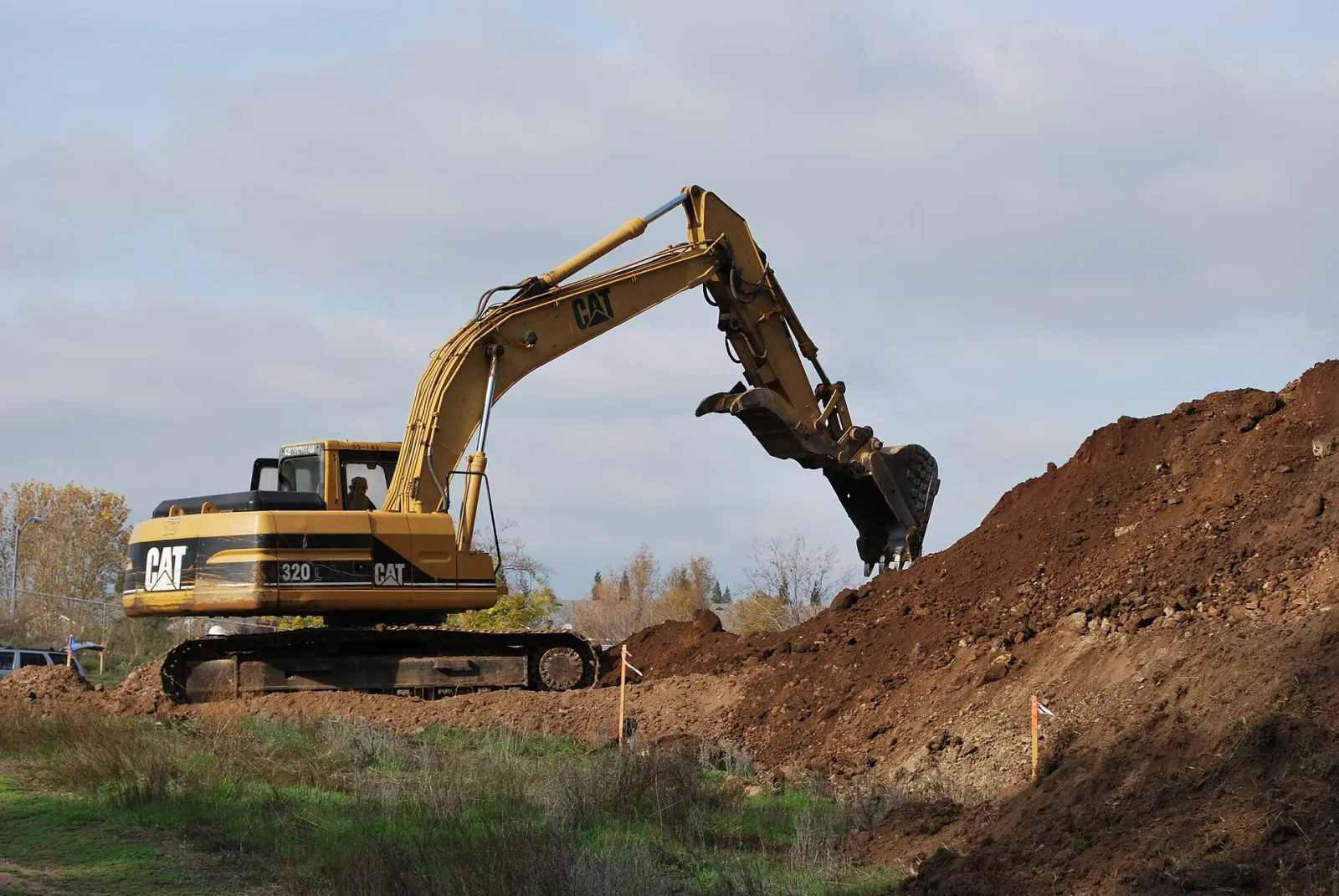
Learning to operate an excavator takes hours in the seat, but good habits from day one shorten the learning curve and reduce wear on the machine. These tips assume you have completed proper training and are working under supervision.
Before you start
- Do the walk-around. Check for leaks, damage, track tension and fluid levels.
- Know your control pattern. ISO (SAE) and SAE/"backhoe" patterns swap boom and arm functions. Many machines have a pattern changer; confirm which is selected.
- Adjust the seat and mirrors, and wear the seat belt.
Digging technique
- Use the arm and bucket, not just the boom. The arm cylinder is the most efficient digging function; curl the bucket to fill it.
- Keep the tracks square to the work, with the final drives (sprockets) at the back, for stability and to protect the travel motors.
- Dig from a bench when loading trucks: position the excavator above the truck so you lift less and swing less.
- Minimise swing angle: position trucks at a 30–60 degree swing from the dig face.
- Avoid hitting the cylinder end stops: ease into the end of each stroke.
Efficiency
- Use combined movements smoothly: boom up while swinging and curling.
- Choose the right power mode: economy mode for normal digging, high power only when needed.
- Do not use the bucket as a hammer or drag the machine with the bucket.
Safety
- Look before you swing, keep people out of the swing radius, and lower the bucket to the ground whenever you stop.
Most manufacturers and dealers offer operator training, and machine control systems can help new operators produce accurate grades faster. See machine control explained.