Heavy Equipment Safety: The 10 Most Common Jobsite Hazards and How to Prevent Them
Struck-by incidents, rollovers, caught-between injuries and overhead power lines kill and injure workers every year. Here are the ten most common heavy equipment hazards and proven ways to prevent them.

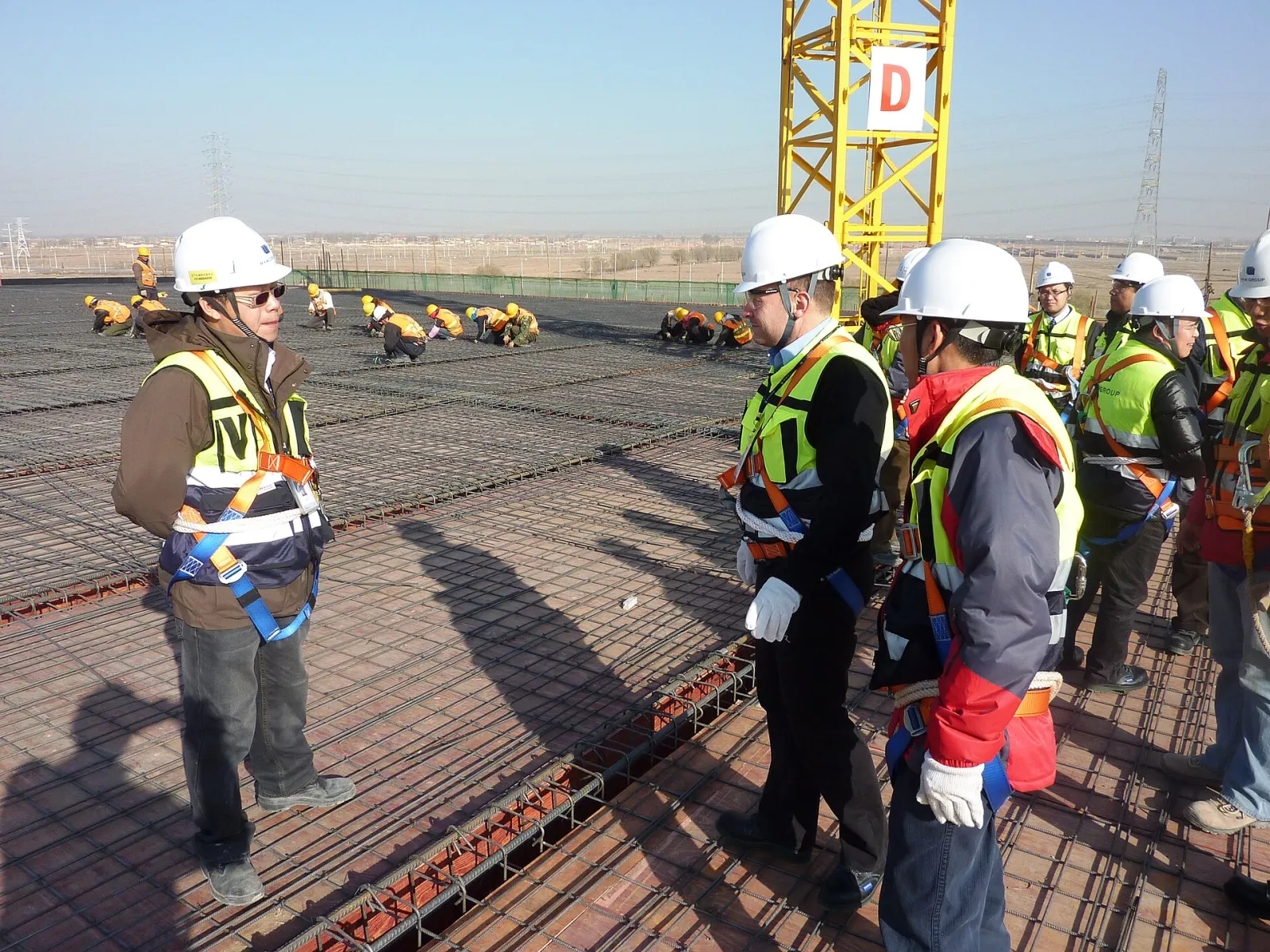
Heavy equipment is involved in a large share of serious construction accidents worldwide. Most are preventable with planning, training and discipline. This article summarises the most common hazards and the controls that work.
1. Struck by a moving machine
Workers on foot are hit by reversing loaders, trucks and excavators swinging around. Controls: exclusion zones, segregated walkways, banksmen/spotters, reversing alarms, cameras, proximity detection systems, high-visibility clothing and eye contact before approaching any machine.
2. Rollovers and tip-overs
Machines overturn on slopes, at excavation edges and when lifting beyond capacity. Controls: certified ROPS and always wear the seat belt; plan routes; keep away from edges; respect load charts and slope limits.
3. Caught between machine and object
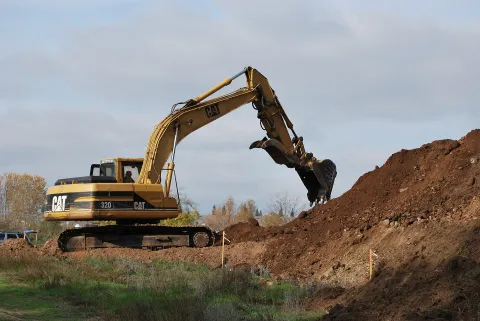
Workers crushed between the counterweight of a slewing excavator and a wall, or between machines. Controls: barriers around the slew radius, zero-tail-swing machines in tight spaces, and a strict rule: never enter the swing zone.
4. Overhead power lines
Contact with power lines by booms, dump bodies and cranes causes electrocutions. Controls: identify lines before work; maintain safe distances set by local regulations; use goal posts, spotters and electronic boundary systems like E-fence; have lines de-energised where possible.
5. Underground utilities
Striking gas or electric cables causes explosions and electrocution. Controls: call-before-you-dig services, utility drawings, cable locators and hand-digging near known services.
6. Trench collapses
Soil collapses can bury workers in seconds. Controls: shoring, trench boxes, benching or sloping, competent-person inspections and keeping spoil and machines back from the edge.
7. Falls when mounting and dismounting
A surprisingly common injury. Controls: three points of contact, clean steps and handholds, no jumping from cabs.
8. Unintended movement
Machines rolling away or attachments falling. Controls: lower attachments to the ground, apply parking brakes, use safety locks on quick couplers and lock out machines before maintenance.
9. Lifting operations
Dropped loads and overloads. Controls: lift plans, rated equipment, certified rigging, overload warning devices and trained slingers.
10. Fatigue and distraction
Long shifts and mobile phones reduce awareness. Controls: shift planning, breaks, phone policies and a culture where anyone can stop the job.
Training and competence
Operators should hold recognised qualifications for the machines they use (for example CPCS or NPORS in the UK, NCCCO for cranes in the USA, or local equivalents) and receive site-specific inductions. See our article on becoming a heavy equipment operator.
Frequently asked questions
What is the most common cause of heavy equipment accidents?
Struck-by incidents (workers hit by moving machines or loads) and rollovers are among the most frequent causes of serious heavy equipment injuries and fatalities.