How to Become a Heavy Equipment Operator: Training, Certification and Pay
Heavy equipment operators are in demand worldwide. Here is how to get started, which certifications matter in different countries, what operators earn and how to advance your career.

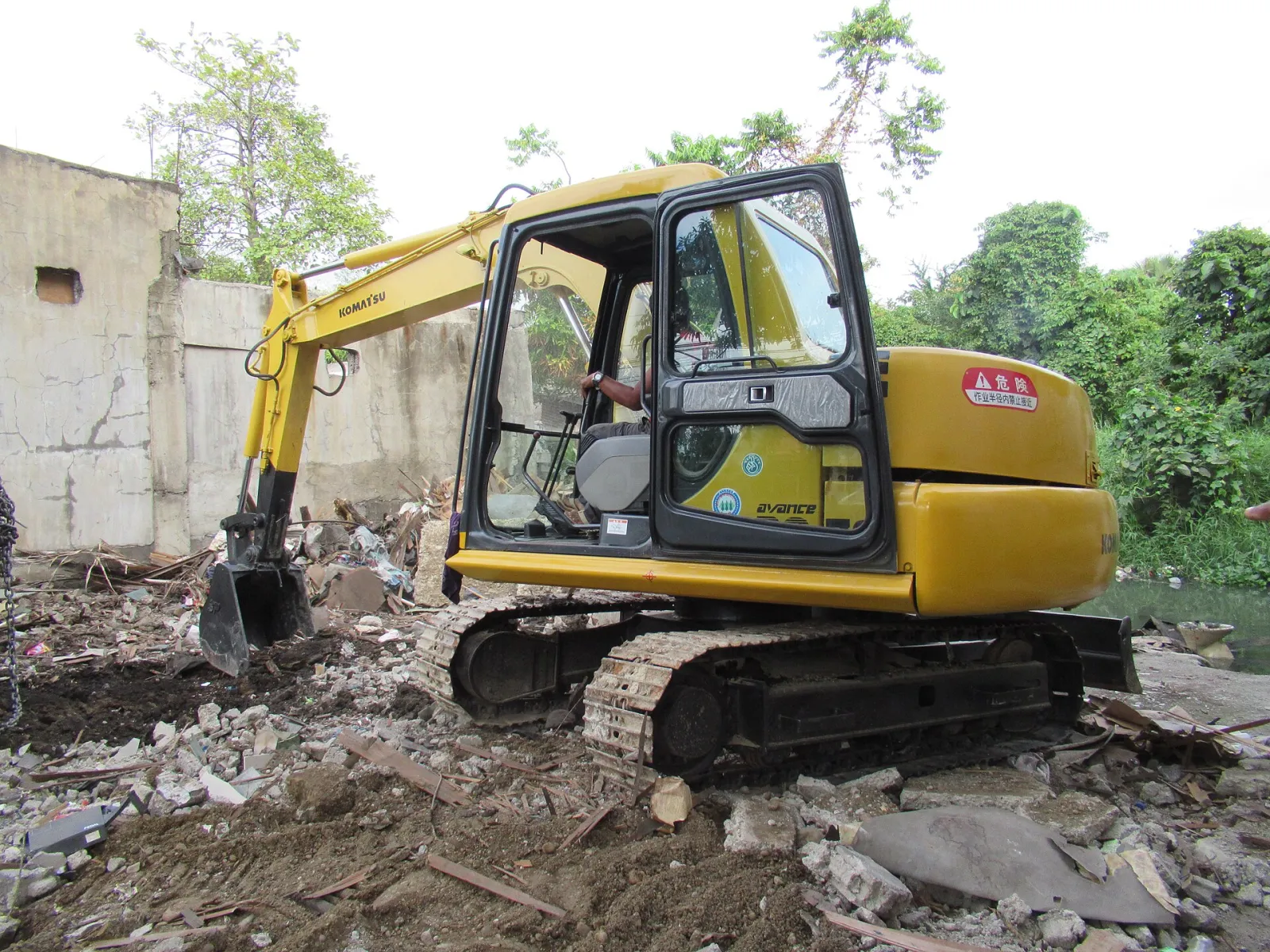
Operating heavy equipment is a skilled trade with strong demand in construction, mining, forestry, agriculture and ports. Many experienced operators are retiring, and contractors in many countries report shortages.
What the job involves
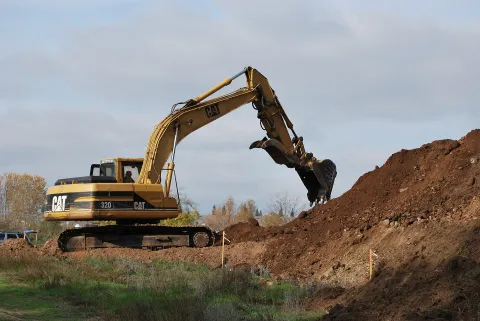
Operators run machines such as excavators, dozers, wheel loaders, graders and cranes. Beyond driving, they inspect machines daily, follow plans and grades, work with machine control systems and coordinate with ground crews.
How to get started
- Apprenticeships with contractors or unions combine paid work with training.
- Vocational and technical schools offer operator programmes using simulators and real machines.
- Starting as a labourer or truck driver and learning on the job remains common.
Certifications by region (examples)
- USA: NCCCO certification is widely required for crane operators; OSHA training requirements apply; many states and unions run operator programmes.
- UK: CPCS and NPORS cards are the standard competence schemes for plant operators.
- Canada: provincial certification and apprenticeship programmes.
- Australia: High Risk Work Licences for cranes and some machines, plus RII units of competency.
- EU: national schemes vary; many countries require specific licences for cranes and earthmoving equipment.
Check local requirements before you train.
Pay
Pay varies widely by country, region, machine type and union status. Crane operators, mining operators and those skilled with GPS machine control generally earn the most. In the United States, published government labour statistics show median operator wages comfortably above the national median for all occupations.
Skills that make a great operator
- Smooth control and spatial awareness
- Understanding of soils, grades and plans
- Familiarity with machine control and telematics
- Safety mindset (see our safety guide)
- Basic maintenance knowledge
Career progression
Operators can move into specialised machines (cranes, mining shovels), supervision, training, machine control specialist roles or running their own contracting business.
Frequently asked questions
How long does it take to become a heavy equipment operator?
Short courses can teach the basics in a few weeks, but becoming a skilled, productive operator usually takes one to several years of supervised experience. Apprenticeships typically last 2–4 years.