Electric Construction Equipment: What Works Today and What Comes Next
Battery-electric mini excavators, compact loaders and aerial platforms are already in series production. Here is where electric equipment makes sense, what it costs and what is still missing.

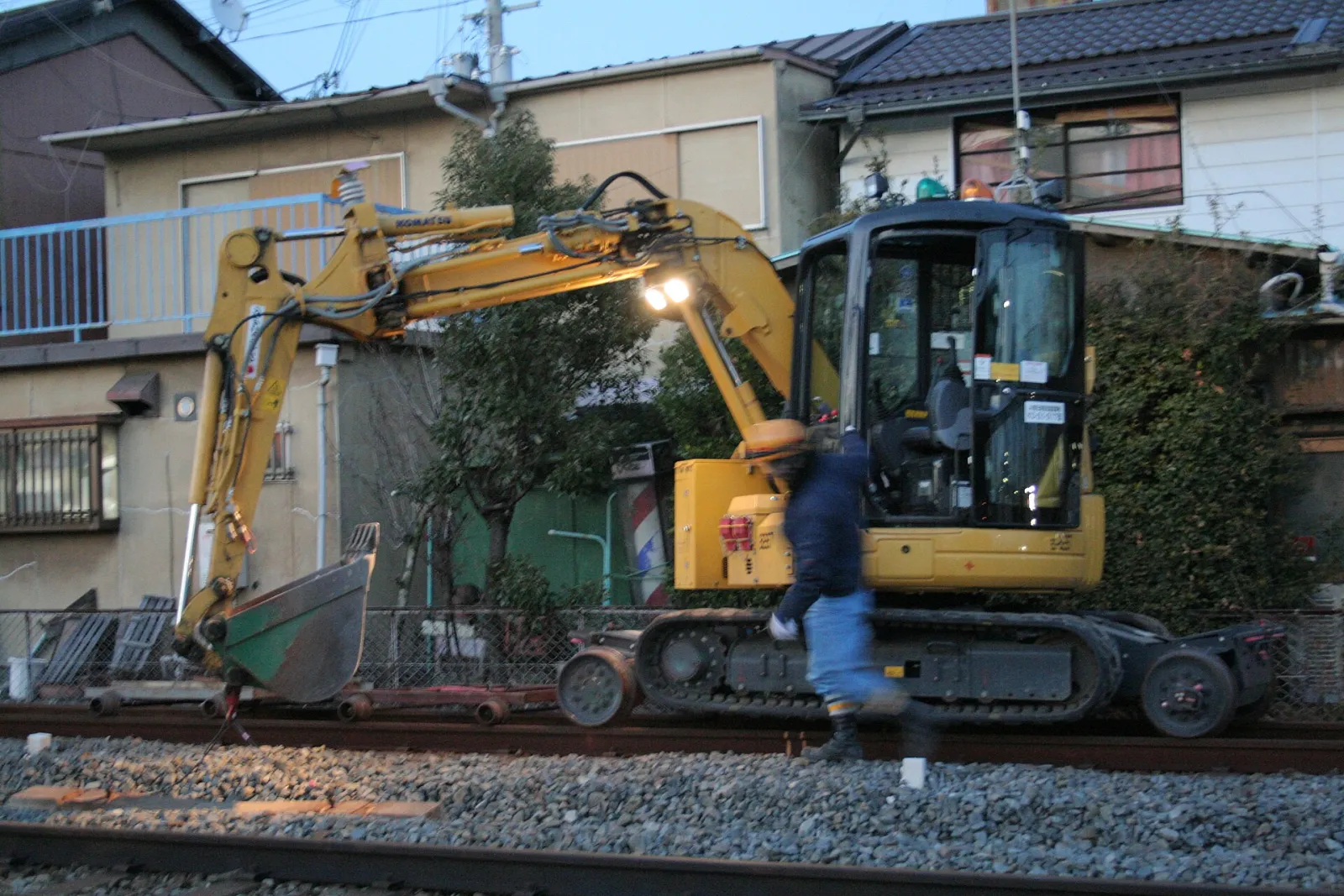
Electric power is spreading through construction equipment from the smallest machines upwards. City low-emission zones, noise rules, indoor work and corporate climate targets are all driving demand.
Where electric equipment works well today
- Mini excavators like the JCB 19C-1E, Volvo ECR25 Electric and others.
- Compact wheel loaders such as the Volvo L25 Electric.
- Aerial work platforms: scissor lifts have been electric for decades; electric and hybrid booms are growing.
- Forklifts and warehouse equipment: the majority of forklifts sold in many markets are already electric.
- Material handlers and stationary machines powered by cable from the grid.
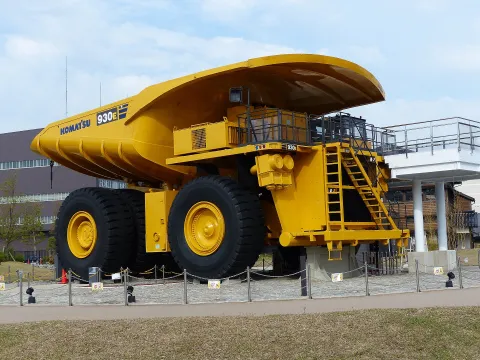
- Mining trucks with trolley assist and battery-electric underground loaders.
Advantages
- Zero exhaust emissions at the point of use.
- Very low noise, enabling night work and indoor use.
- Lower running costs: electricity is usually cheaper than diesel per hour, and there are fewer service items.
- Instant torque and smooth control.
Challenges
- Purchase price: often significantly higher than diesel equivalents.
- Runtime: depends on battery size and duty cycle; continuous heavy digging drains batteries quickly.
- Charging infrastructure on construction sites with limited grid capacity.
- Weight: batteries are heavy, though this can help stability.
- Larger machines: big excavators and haul trucks need enormous energy; solutions include cable power, swappable batteries and hydrogen.
Alternatives on the road to zero
- HVO (hydrotreated vegetable oil): a renewable diesel drop-in fuel that cuts lifecycle CO₂.
- Hybrids: energy recovery from swing or boom-down movements.
- Hydrogen combustion engines and fuel cells, under development by JCB, Komatsu, Liebherr and others.
Should you buy electric?
Electric makes most sense where emissions and noise rules apply, utilisation is moderate and charging is convenient. Calculate total cost of ownership including energy, maintenance and any subsidies.
Frequently asked questions
How long does an electric mini excavator run on a charge?
Many manufacturers quote a typical working day for common duty cycles, but heavy continuous digging can drain the battery in a few hours. Fast charging and opportunity charging during breaks help.