Machine Control and Telematics Explained: 2D, 3D, GNSS and Fleet Data
Grade control systems guide excavator buckets and dozer blades to digital designs, while telematics reports hours, fuel and faults. Here is how the technology works and what it delivers.

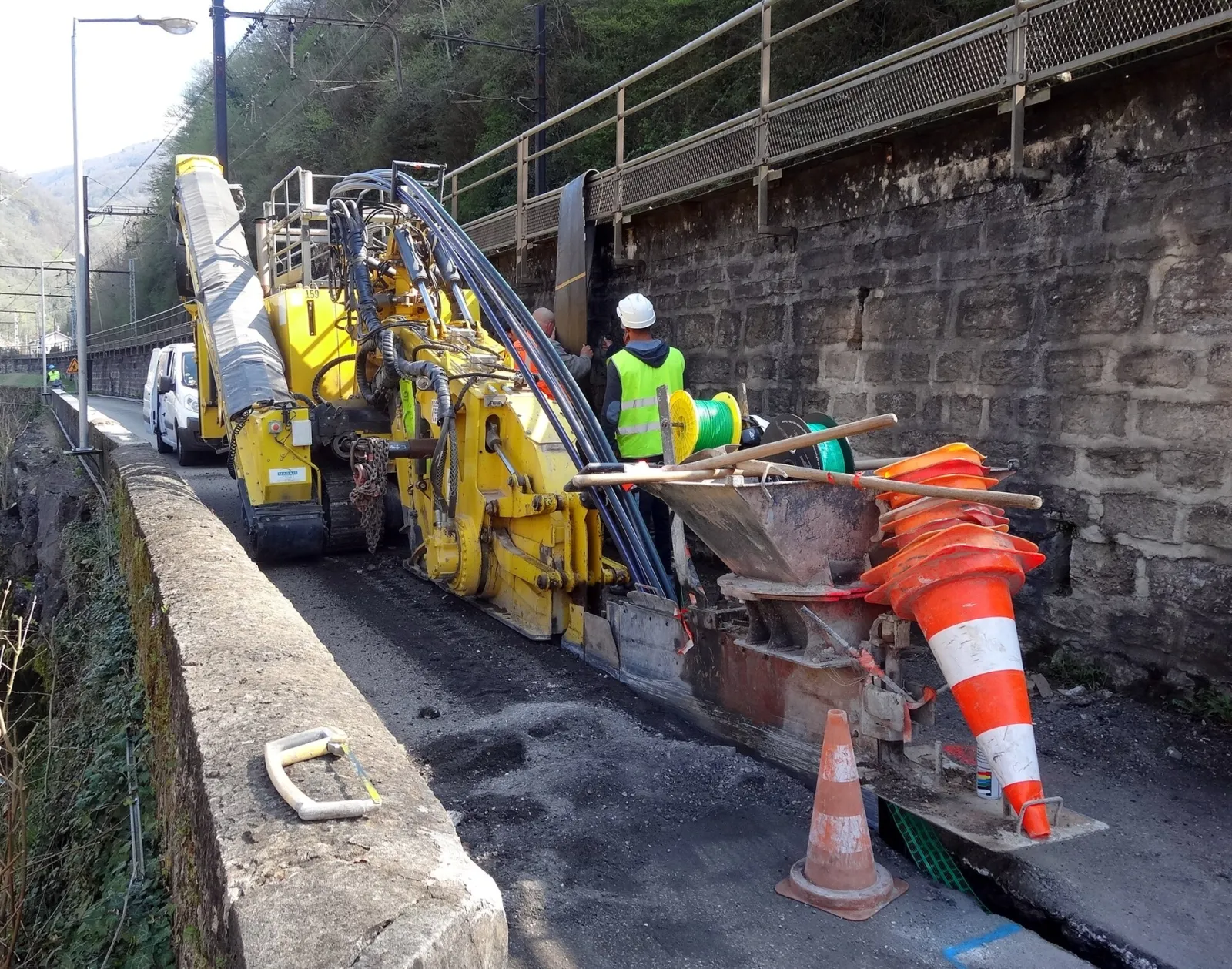
Machine control and telematics have changed earthmoving more than any hydraulic or engine improvement of the past 20 years. Contractors using them report less rework, fewer surveying costs and better fleet utilisation.
Machine control: the basics
Machine control systems measure the position of a bucket or blade and compare it with a target surface.
- 2D systems use a laser or a fixed reference to control depth and slope. They are ideal for trenches, pads and simple grades.
- 3D systems use GNSS (satellite positioning) with RTK correction, or a robotic total station for higher accuracy, to work to a full 3D digital design model.
Indicate vs automatic
- Indicate systems show the operator where the bucket or blade is relative to grade.
- Semi-automatic / automatic systems move the blade or bucket automatically, while the operator controls travel or the arm. Examples include Cat Grade with Assist, Komatsu intelligent Machine Control (iMC), John Deere SmartGrade and Volvo Active Control, as well as aftermarket systems from Trimble, Topcon and Leica.
Benefits
- Fewer grade stakes and less surveying.
- Less over-excavation and material waste.
- Faster finishing with less rework.
- Less experienced operators can produce accurate results.
Telematics
Almost every modern machine has a telematics unit that reports:
- Location and geofence alerts
- Hours and utilisation
- Fuel consumption and idle time
- Fault codes and maintenance reminders
The ISO 15143-3 (AEMP 2.0) standard lets mixed fleets feed data from different brands into one fleet management system.
Payload and productivity systems
On-board weighing on loaders and excavators helps fill trucks accurately, reducing overloading and underloading. Productivity reports track loads per hour and cycle times.
Getting started
Start with telematics on all machines, add 2D control on excavators doing trenching and grading, then 3D on dozers and excavators doing bulk earthworks.
Frequently asked questions
What is RTK GPS in construction?
RTK (real-time kinematic) corrects satellite positioning using a base station or network, giving centimetre-level accuracy needed for machine control.