Emissions Standards Explained: EPA Tier 4 Final, EU Stage V and What They Mean for Owners
Tier 4 Final, Stage V, DPF, SCR, DEF, EGR: modern diesel equipment is full of emissions technology. Here is what each standard requires and how it affects buying, running and maintaining machines.

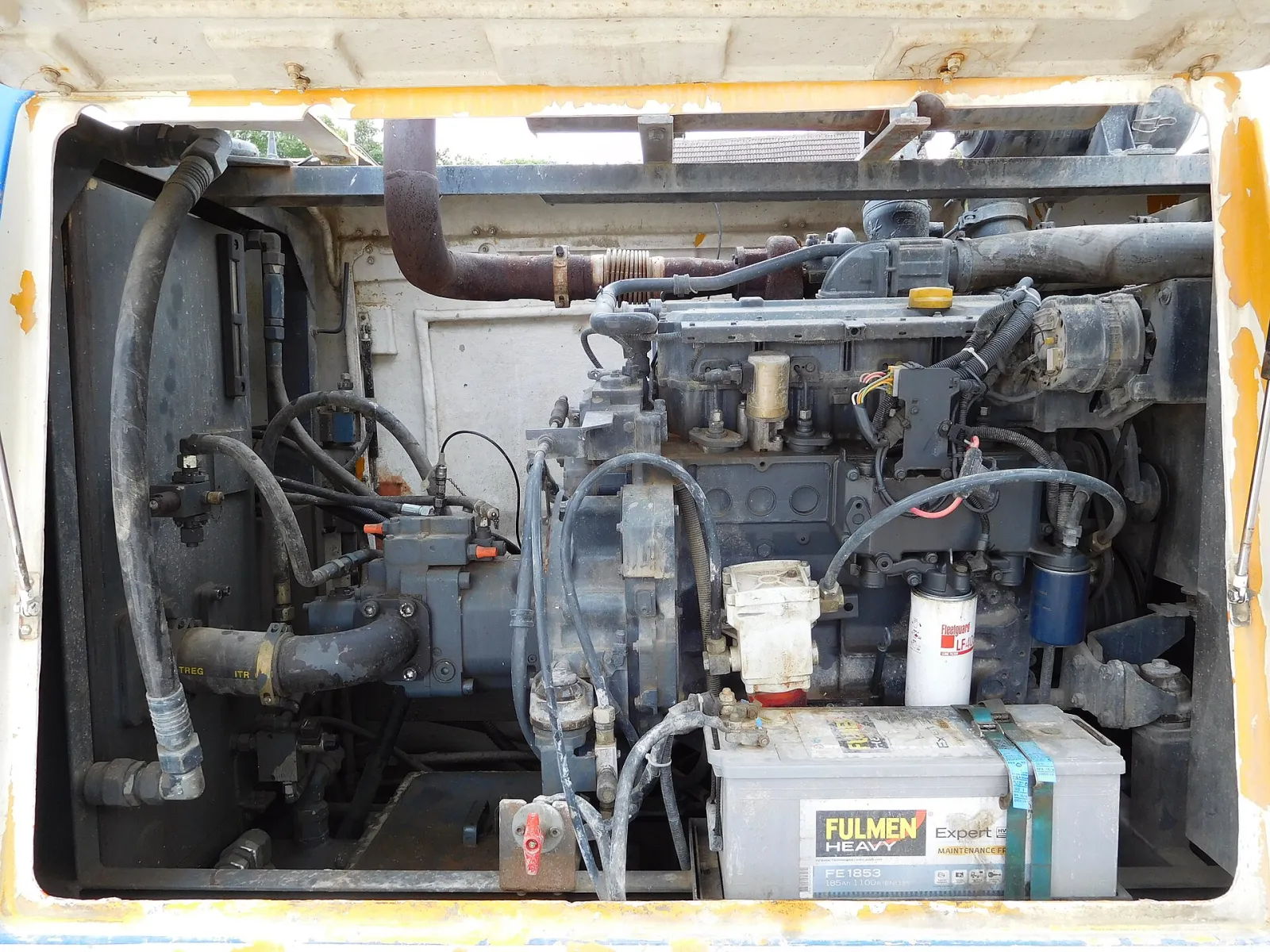
Non-road diesel engines (used in construction, mining and agricultural machines) are regulated for emissions of nitrogen oxides (NOx), particulate matter (PM), hydrocarbons and carbon monoxide. Over the past three decades, limits have tightened dramatically, transforming engine design.
The main standards
- USA – EPA Tier 1 to Tier 4 Final. Tier 4 Final was fully phased in for most power bands by 2015. It required large reductions in NOx and PM.
- European Union – Stage I to Stage V. Stage V, in force from 2019–2020, adds a particle number (PN) limit that in practice requires a diesel particulate filter (DPF) for most engines from 19 to 560 kW, and extends rules to engines below 19 kW and above 560 kW.
- Other markets (China, India, Brazil, Japan, Korea and others) have their own stages, often aligned with earlier EU or EPA levels. Machines sold in less regulated markets may use simpler engines.
The technologies
- EGR (exhaust gas recirculation) lowers combustion temperature to reduce NOx.
- DOC (diesel oxidation catalyst) reduces CO and hydrocarbons.
- DPF (diesel particulate filter) traps soot and periodically burns it off in regeneration.
- SCR (selective catalytic reduction) injects DEF/AdBlue (a urea solution) to convert NOx into nitrogen and water.
Different manufacturers combine these differently. Some Tier 4 Final engines avoid a DPF by using SCR and in-cylinder control; Stage V almost always requires one.
What it means for owners
- Fuel quality: ultra-low-sulphur diesel is essential.
- DEF supply: you must keep DEF tanks filled; machines derate if DEF runs out.
- Regeneration: avoid excessive idling; allow regeneration cycles to complete.
- Maintenance: DPF cleaning or replacement at long intervals, DEF filters, sensors.
- Exporting used machines: machines built for Tier 4 / Stage V may struggle in countries with high-sulphur fuel.
Benefits
Modern engines emit a small fraction of the NOx and particulates of 1990s engines and are often more fuel-efficient, thanks to better combustion control and machine-level efficiencies. The next step is electrification and alternative fuels such as HVO and hydrogen.
Frequently asked questions
What is the difference between Tier 4 Final and Stage V?
Both set very low NOx and particulate limits, but EU Stage V adds a particle number limit that effectively requires a diesel particulate filter on most engines, and covers a wider range of engine sizes.
What happens if a machine runs out of DEF?
The engine control system progressively reduces power (derates) to encourage refilling and to stay within emissions rules.