Technology
Autonomous Haul Trucks: How Driverless Mining Works
Hundreds of driverless haul trucks already operate in mines around the world. Learn how autonomous haulage systems work, who makes them and what they mean for safety and productivity.

Autonomous haulage systems (AHS) are one of the most mature uses of autonomy in heavy industry. Large mining companies in Australia, North and South America have run driverless haul trucks for more than a decade.
How it works
- Perception: each truck uses high-precision GNSS, radar, lidar and other sensors to know its position and detect obstacles.
- Central control: a fleet management system assigns routes, loading and dumping points and speed limits.
- Coordination with manned equipment: shovels, dozers and light vehicles carry systems that tell the AHS where they are.
- Safety systems: trucks stop if they detect an unexpected obstacle or lose communication.
Main systems
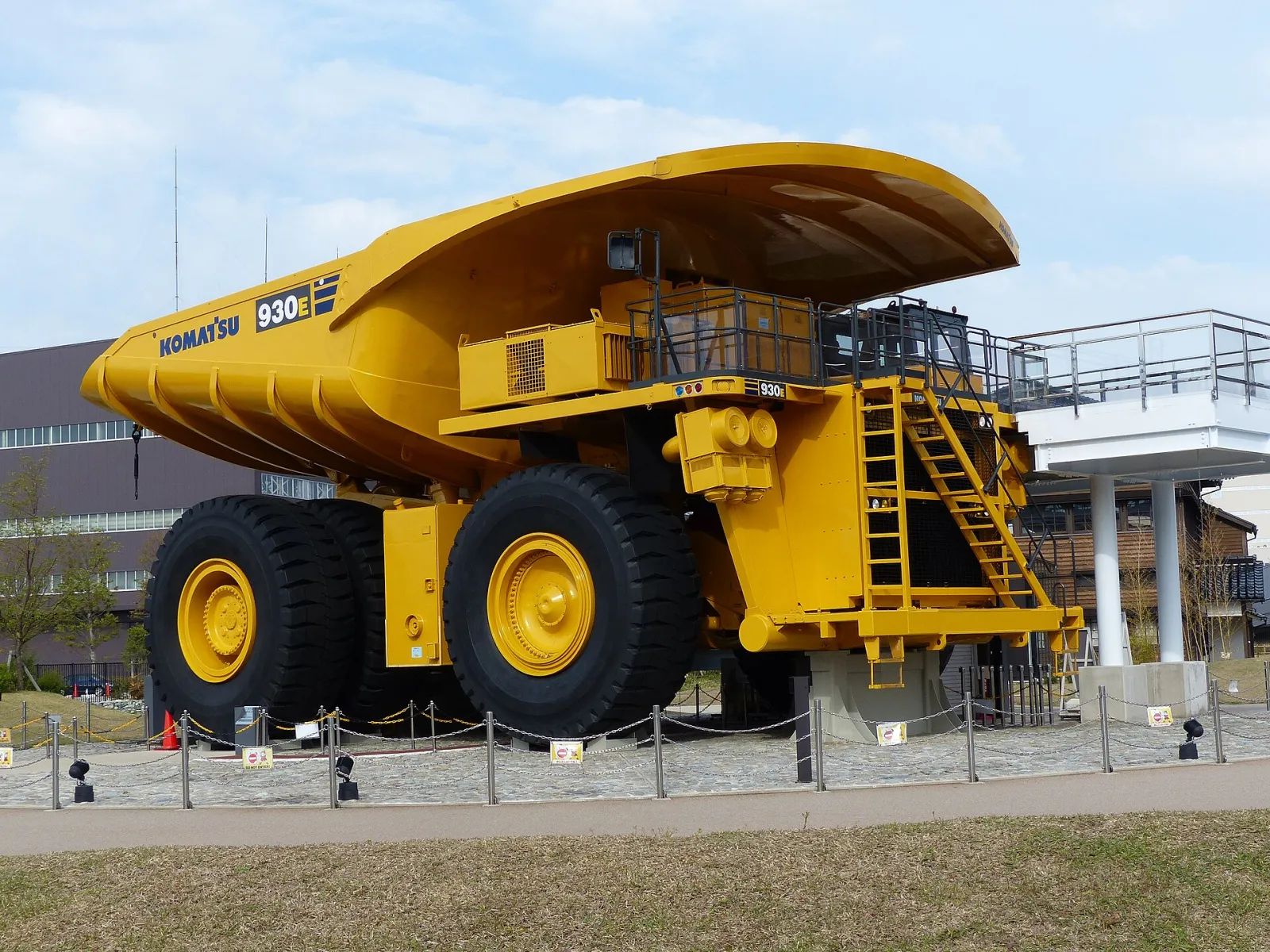
- Komatsu FrontRunner, first deployed commercially in 2008, runs trucks such as the Komatsu 930E.
- Caterpillar Command for hauling runs trucks including the Cat 797F.
- Hitachi, Liebherr and others are developing and deploying their own systems, sometimes with technology partners.
Benefits reported by operators
- Safety: fewer people in the haul cycle.
- Productivity: trucks can run more hours with consistent speed and fewer delays.
- Lower tyre and maintenance costs from consistent driving.
Challenges
High capital cost, the need for very well-maintained haul roads and communications networks, workforce transition, and integrating mixed fleets.
Beyond haul trucks
Autonomy is spreading to dozers (Cat Command for dozing), drill rigs (see Epiroc and Sandvik), and even compact construction equipment for repetitive tasks.