Heavy Equipment Maintenance Schedule: Daily, 250, 500, 1,000 and 2,000-Hour Service
A practical maintenance schedule for excavators, loaders and dozers: daily walk-arounds, greasing, typical service intervals, fluid analysis and the habits that prevent costly breakdowns.

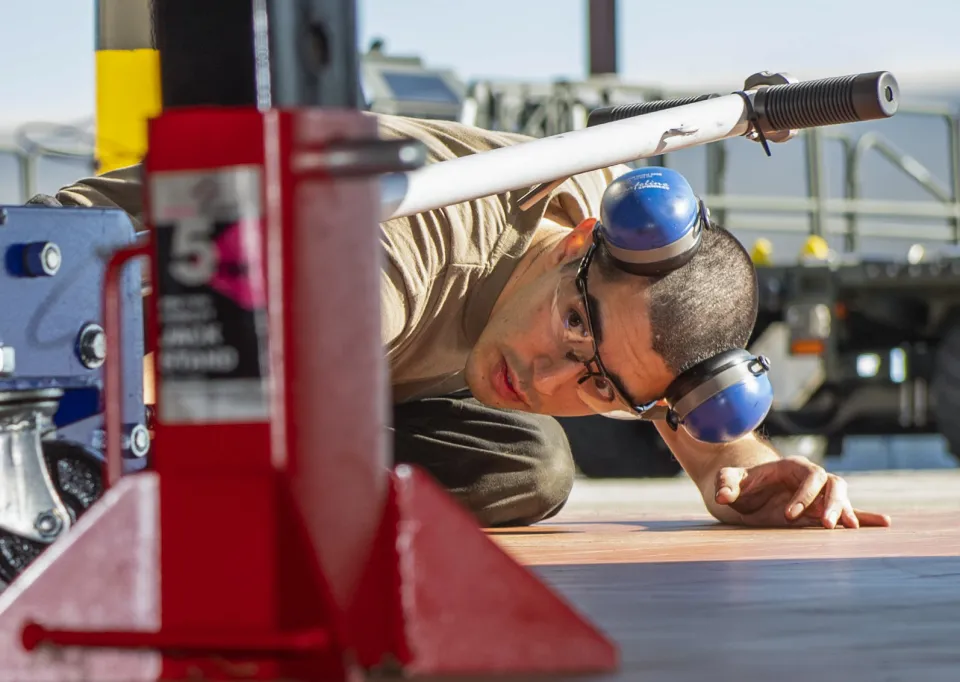
Photo: U.S. Air Force / Airman 1st Class Branden Rae, Public domain
Preventive maintenance is the cheapest insurance a fleet can buy. Unplanned downtime costs not only the repair, but also idle crews, missed deadlines and rental machines. The schedule below reflects typical intervals for modern construction equipment. Always follow your machine's operation and maintenance manual, which takes precedence.
Every day (or every 10 hours)
- Walk-around inspection: leaks, damage, loose bolts, cracked welds, tyre or track condition.
- Fluid levels: engine oil, coolant, hydraulic oil, DEF/AdBlue, fuel.
- Air filter indicator and pre-cleaner.
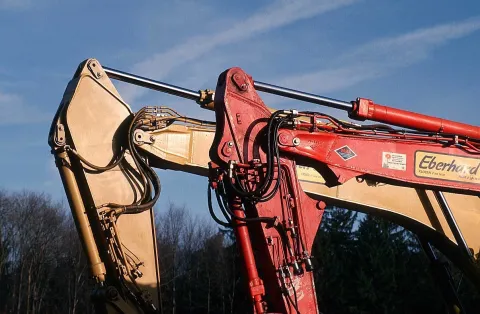
- Grease pins and bushings as specified (many excavator front-end pins need daily greasing; some modern machines extend this to 50–250 hours).
- Water separator: drain water from the fuel system.
- Undercarriage: clean packed mud and check track tension.
- Safety systems: lights, horn, alarms, seat belt, cameras, fire extinguisher.
Every 250 hours
- Engine oil and filter (on many machines this is 250 or 500 hours; check the manual).
- Inspect belts, hoses and radiator fins.
- Check battery and electrical connections.
- Fluid sampling: take engine oil samples for analysis.
Every 500 hours
- Fuel filters (primary and secondary).
- Hydraulic return/pilot filters on many machines.
- Air filter (outer element) if not already changed by indicator.
- Swing gear and final drive oil level checks.
Every 1,000 hours
- Hydraulic oil filters and tank breather.
- Swing drive and final drive oil change on many machines.
- Transmission and axle oils on wheeled machines.
- Check valve clearances where required.
Every 2,000 hours
- Hydraulic oil change (intervals vary widely: 2,000–6,000 hours with modern oils and fluid analysis).
- Coolant change for long-life coolant (often 6,000 hours or 3 years).
- Engine valve adjustment and injector checks as specified.
Fluid analysis: the early-warning system
Regular oil sampling (engine, hydraulics, final drives) detects wear metals, coolant leaks, fuel dilution and dirt long before a failure. It also allows safe extension of oil change intervals.
Records and telematics
Log every service. Telematics systems (Cat Product Link, KOMTRAX, JDLink, Volvo CareTrack and others) track hours and send alerts. Good records also increase resale value.
The five habits that save the most money
- Keep hydraulic oil clean: see our guide to hydraulic contamination.
- Grease consistently.
- Manage the undercarriage: see undercarriage wear.
- Warm up and cool down turbocharged engines properly.
- Train operators: smooth operation dramatically reduces wear.
Frequently asked questions
How often should you change hydraulic oil in an excavator?
Typical intervals range from 2,000 to 5,000 hours or more, depending on the manufacturer, the oil used and fluid analysis results. Always follow the manual.
How often should you grease an excavator?
Front-end pins on many excavators need greasing every 10 hours or daily; some modern machines with improved bushings extend this to 50–250 hours. Check your machine's lubrication chart.