How to Buy a Used Excavator: A 40-Point Inspection Checklist
A used excavator can be a bargain or a money pit. This step-by-step checklist covers paperwork, undercarriage, structure, hydraulics, engine and a working test, so you know exactly what you are buying.

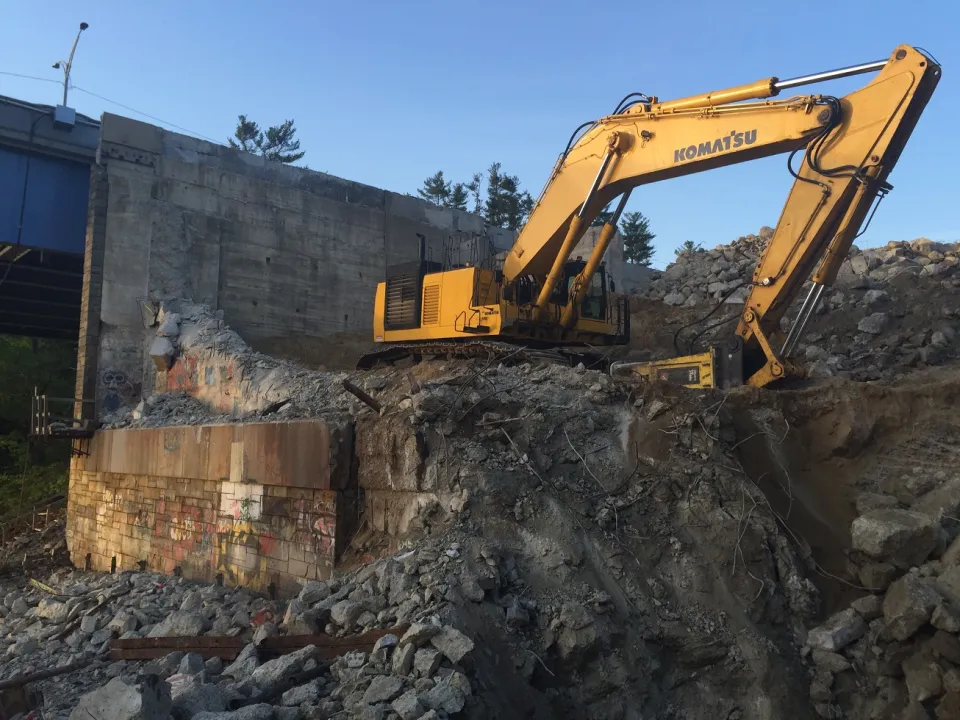
A good used excavator can save you 30–50% compared with a new machine. A bad one can cost more than the purchase price in repairs within a year. The difference is almost always visible if you know where to look and take your time.
This checklist is written for crawler excavators in the 5–40 tonne range, but most points apply to mini excavators and wheeled excavators too. Print it, take a torch, a tape measure, rags and a camera, and never inspect a machine that has just been warmed up and washed.
Key takeaways
- Undercarriage, swing bearing, pins and hydraulic pump health account for most expensive surprises.
- Always see the machine cold-start and work under load for at least 20–30 minutes.
- Ask for service records, telematics history and an oil analysis. A seller who refuses is telling you something.
1. Paperwork and history (before you travel)
- Serial number (PIN) and year: check them against the documents and the manufacturer's records.
- Ownership and finance: confirm there is no outstanding loan or lien on the machine.
- Hours: compare the hour meter with telematics data (Cat Product Link, KOMTRAX, JDLink and others) where available. A rebuilt or replaced hour meter is not unusual, but it must be documented.
- Service records: oil and filter changes at the right intervals, hydraulic oil changes, undercarriage work, major repairs.
- Fluid analysis: recent engine and hydraulic oil sample reports reveal wear metals, coolant leaks and contamination that you cannot see.
- Application history: a machine from a quarry or demolition site has lived a much harder life than one from residential construction.
2. Walk-around: structure and boom
- Boom and arm (stick): look for cracks, especially around the boom foot, the boom-to-arm joint and cylinder mounts. Fresh paint or weld beads in these areas deserve questions.
- Bucket linkage and pins: grab the bucket and check for play. Excessive movement means worn pins and bushings, which are cheap individually but add up across the machine.
- Bucket: check cutting edge, teeth, side cutters and wear plates.
- Quick coupler: confirm the safety locking mechanism works correctly.
- Counterweight and house: cracks, impact damage, missing bolts.
- Cab: ROPS/FOPS certification label, glass, door, seat, belts, mirrors and cameras.
- Evidence of rollover or fire: kinked structures, replaced cab, melted wiring.
3. Undercarriage: the most expensive wear part
The undercarriage can represent half the repair cost over an excavator's life. Read our full undercarriage wear guide.
- Track chains (links and bushings): check bushing wear and pin play; worn chains "snake" and stretch.
- Sprockets: hooked or pointed teeth mean a worn sprocket.
- Idlers and rollers: look for flat spots, oil leaks and rollers that do not turn.
- Track shoes: grouser height and cracks.
- Track tension and adjuster: does the track sag excessively, and does the grease adjuster hold?
- Track frames: cracks and bent frames.
As a rough guide, if the undercarriage is beyond 70% worn, budget for a full replacement in your offer.
4. Swing system
- Swing bearing: with the bucket on the ground, raise the tracks slightly and watch for movement between the house and the undercarriage. Excessive play, clunks or grinding indicate a worn bearing, a major cost.
- Swing motor and gearbox: listen for noise, check for leaks, and confirm the swing brake holds on a slope.
5. Hydraulics
- Leaks: cylinders, hoses, the main control valve and pumps. Wet or dirt-caked areas show long-term leaks.
- Cylinder rods: pitting or scoring damages seals.
- Cylinder drift: raise the loaded bucket and stop the engine; it should not drop noticeably over several minutes.
- Hydraulic oil: colour and smell. Milky oil suggests water; a burnt smell suggests overheating.
- Pump: whining or slow functions when warm may indicate pump wear. Ask whether pump pressures have been tested.
- Auxiliary circuits: test hammer and tilt circuits if fitted.
6. Engine and cooling
- Cold start: watch for excessive smoke, hard starting and knocks.
- Blow-by: remove the oil filler cap with the engine running; heavy fumes suggest worn rings.
- Leaks: oil, coolant and fuel.
- Radiator and coolers: blocked or damaged fins lead to overheating.
- Aftertreatment (DPF, SCR, DEF): check for warning codes and regeneration history on modern machines. See emissions explained.
- Air filters and intake: dust in the intake tract means the engine has been "dusted".
7. Electrical and electronics
- Monitor fault codes and active warnings.
- Lights, wipers, horn, cameras, air conditioning.
- Machine control or telematics subscriptions: will they transfer?
8. The working test (at least 20–30 minutes)
- Dig in real material: watch for slow cycles, hesitation and engine bogging under combined functions.
- Track in a straight line forward and back at both speeds; the machine should not pull to one side.
- Swing under load and stop; feel for clunks.
- Check temperatures after the test and look again for leaks.
Negotiating the price
Write down everything you find and estimate the cost of each issue. Undercarriage, buckets and pins are predictable costs; a failing pump, swing bearing or engine is not. If you are unsure, pay a dealer technician for an independent inspection, which costs little compared with the risk.
Frequently asked questions
How many hours is too many for a used excavator?
There is no fixed limit. A well-maintained machine at 10,000 hours can be a better buy than a neglected one at 4,000. Many mid-size excavators run 15,000–20,000 hours with major component overhauls. Focus on records and condition rather than the number alone.
What is the most expensive part to replace on an excavator?
Typically the engine, main hydraulic pump, swing bearing or a complete undercarriage. Each can cost tens of thousands of dollars on a mid-size machine.
Should I buy a used excavator at auction?
Auctions can offer good prices, but you usually cannot test the machine thoroughly and sales are "as is". Inspect in person or pay for an inspection report before bidding.