Buying Guides
Heavy Equipment Financing: Loans, Leases and How to Get Approved
Most machines are bought with finance. Learn the main financing options, what lenders look at and how to compare offers on total cost rather than monthly payment.

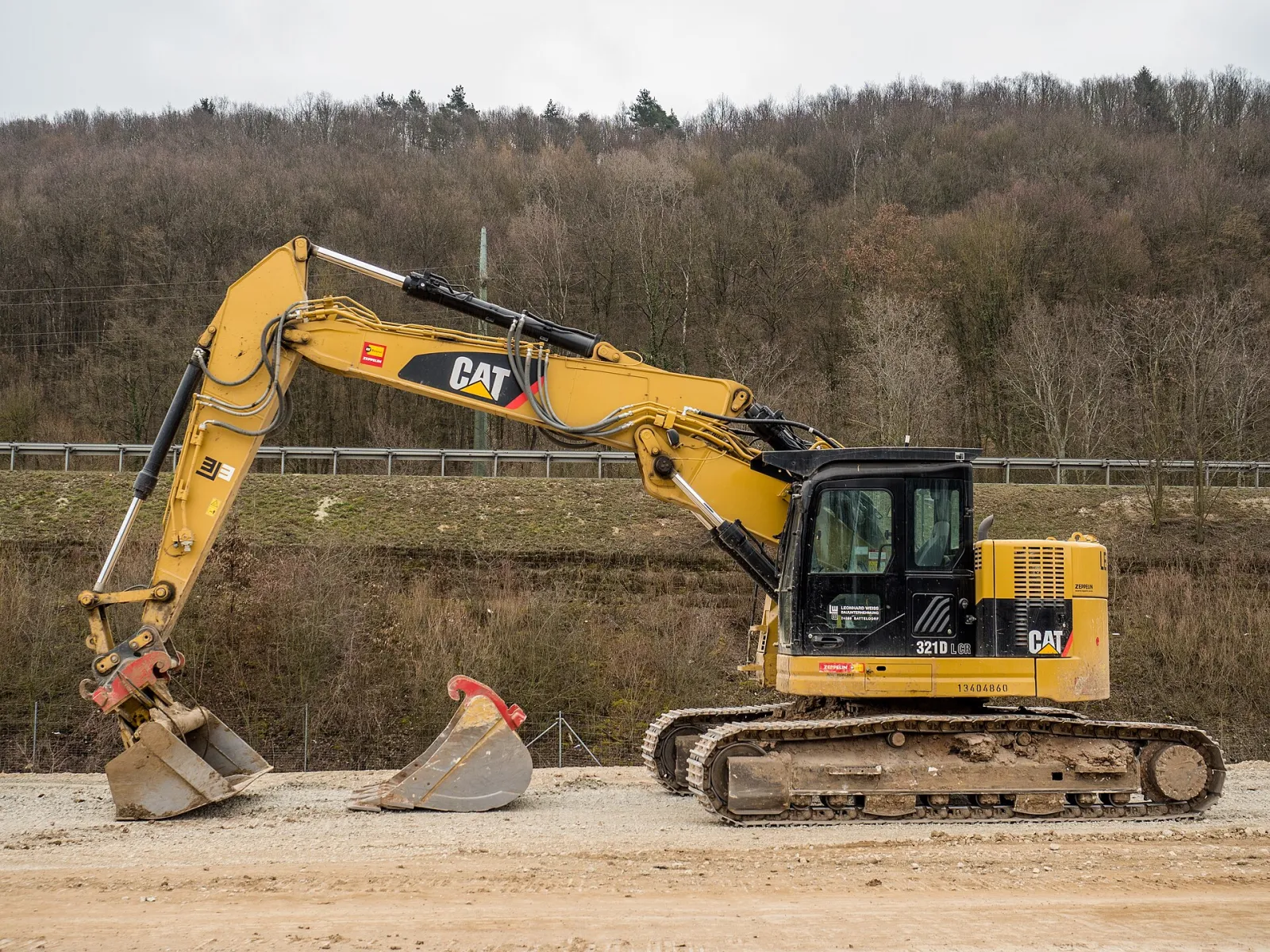
Heavy equipment is expensive, and most contractors finance at least part of their fleet. The right finance structure protects cash flow and can lower the total cost of owning a machine.
Main financing options
- Equipment loans / hire purchase: you own the machine at the end. The equipment itself usually secures the loan.
- Finance leases: similar economics to a loan, often with a balloon or nominal purchase option at the end.
- Operating leases: lower payments; you return the machine (or buy it at market value) at the end. Useful for technology you want to refresh.
- Manufacturer (captive) finance: Cat Financial, Komatsu Financial, John Deere Financial, CNH Capital and others often offer promotional rates on new machines.
- Rent-to-own: part of rental payments goes towards purchase.
What lenders look at
- Business history and financial statements
- Credit history of the business and owners
- Down payment (often 10–20%)
- The machine's age, hours and resale value
- Existing work contracts
Compare on total cost
A low monthly payment can hide a long term, a large balloon or high fees. Compare:
- Interest rate and APR
- Term and balloon payment
- Fees (arrangement, documentation, early repayment)
- Insurance and maintenance requirements
- End-of-term options
Tax considerations
In many countries, depreciation allowances or accelerated write-offs make purchasing or finance leases attractive. Always take advice from an accountant familiar with equipment.
Before you sign
Use our rent, lease or buy framework to make sure ownership is the right choice, and our price guide to sense-check the deal.