A Short History of the Bulldozer: From Holt’s Crawler to GPS Dozers
How the crawler tractor became the bulldozer, why Caterpillar’s D-numbers became an industry standard, and how electronics and GPS changed dozing.

Tracks before blades
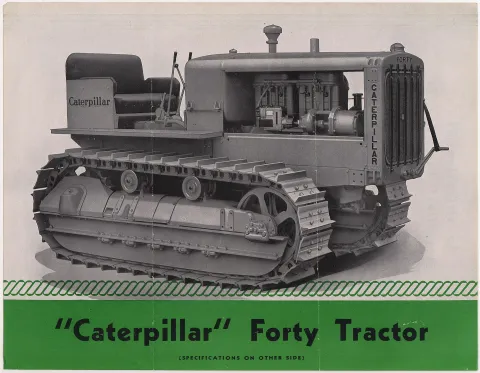
At the start of the 20th century, steam traction engines sank into the soft soils of California's Central Valley. Benjamin Holt experimented with continuous tracks and in 1904 demonstrated a practical crawler tractor. The machine's movement reminded a photographer of a caterpillar, and Holt adopted the name. His rival, C. L. Best, built competing crawlers. In 1925 the two companies merged to form Caterpillar.
Adding the blade
Early crawler tractors pulled ploughs, graders and wagons. Blades attached to the front for pushing earth appeared in the 1920s, often built by separate companies. The name "bulldozer" was in use by the 1930s. By then, diesel engines had replaced gasoline and kerosene, transforming fuel economy.
The Second World War
Bulldozers became famous during the war, building airstrips, roads and harbours. The machines proved so useful that many military engineers became post-war contractors.
Post-war growth
The 1950s and 60s brought torque converters, powershift transmissions and hydraulic blade controls. Caterpillar's D-numbering (D2 to D9, later D10 and D11) became an informal industry scale, and Komatsu, Allis-Chalmers, International Harvester and others competed fiercely.
The elevated sprocket
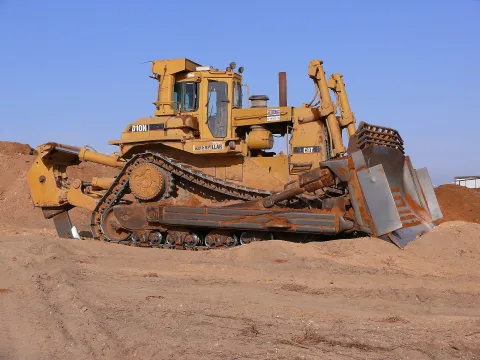
In 1977 Caterpillar introduced the D10 with an elevated sprocket, lifting the final drives away from ground impacts and abrasive material. The design became a Cat signature on medium and large dozers.
Hydrostatics, electronics and GPS
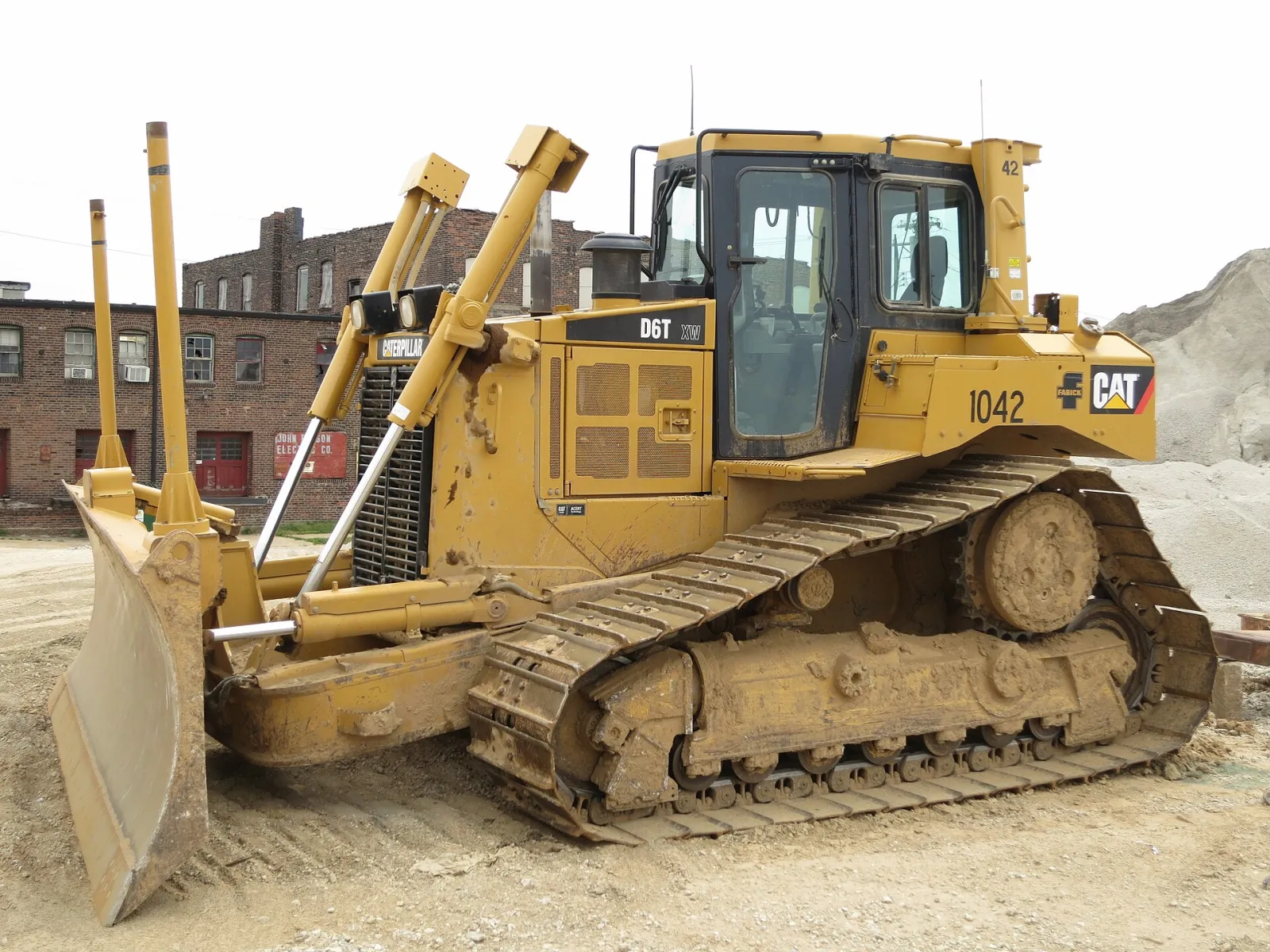
From the 1980s and 90s, hydrostatic drives spread through small and medium dozers. In the 2000s, GPS machine control let dozers cut to digital designs without stakes, and in 2013 Komatsu launched factory-integrated intelligent machine control. Today, electric drive (Cat D6 XE), remote operation and autonomy are the new frontier.
Explore today's bulldozers.