Trench Safety: How to Prevent Collapses When Digging With an Excavator
Trench collapses can bury workers in seconds. Learn the protective systems that prevent them, the role of the competent person and safe excavator habits near trench edges.

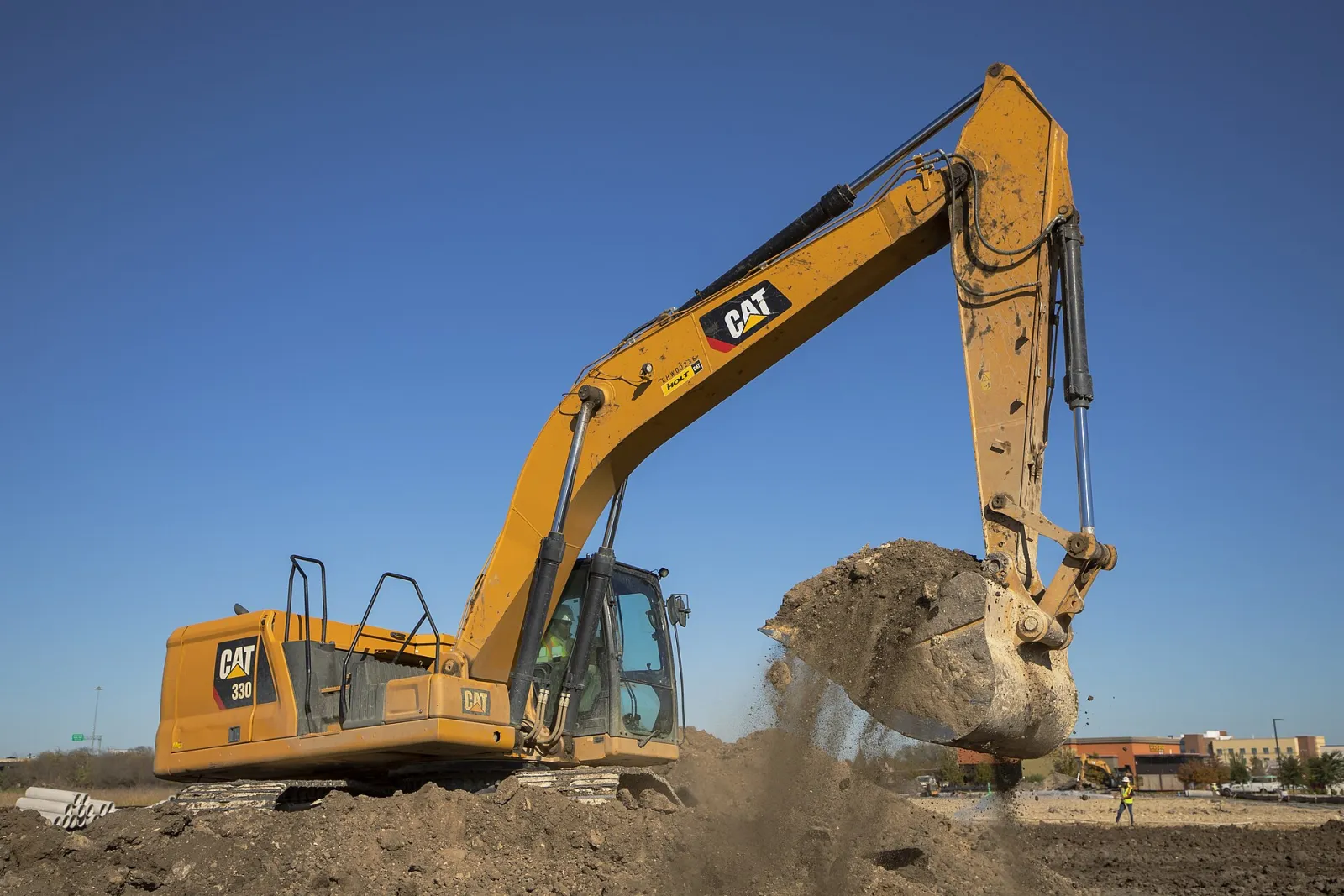
A cubic metre of soil can weigh well over a tonne. When a trench wall collapses, workers can be buried before they have time to react. Trench collapses remain one of the deadliest hazards in construction, and nearly all are preventable.
Why trenches collapse
- Soil type: sand and gravel collapse readily; clay can stand temporarily and then fail suddenly.
- Water: groundwater and rain reduce soil strength.
- Vibration from traffic and machines.
- Surcharge loads: spoil piles, materials and machines too close to the edge.
- Previously disturbed soil around old utilities.
Protective systems
Most regulations require protection for trenches above a certain depth (for example 5 ft / 1.5 m under US OSHA rules, unless in stable rock). The main methods:
- Sloping: cutting the trench walls back to a safe angle based on soil type.
- Benching: cutting steps into the walls (not allowed in some soil types).
- Shoring: hydraulic or timber supports that hold the walls.
- Shielding: trench boxes that protect workers inside, even if walls fail.
The competent person
A trained, competent person must inspect excavations daily and after rain or other changes, classify soils and stop work if hazards appear.
Excavator operator responsibilities
- Place spoil at least 0.6 m (2 ft) back from the edge, or further as required.
- Keep the machine back from the edge or use stabilising measures.
- Never swing loads over workers in the trench.
- Use trench boxes handled with rated lifting points.
- Locate underground utilities before digging.
Safe access
Provide ladders or ramps within easy reach (for example within 25 ft / 7.6 m of travel in US rules) for trenches over 4 ft deep.
See also our heavy equipment safety guide.