Industry
Types of Cranes: A Complete Guide to Construction and Industrial Cranes
All-terrain, truck, rough-terrain, crawler, tower, luffing, self-erecting, loader and gantry cranes: what each type does and where it works best.

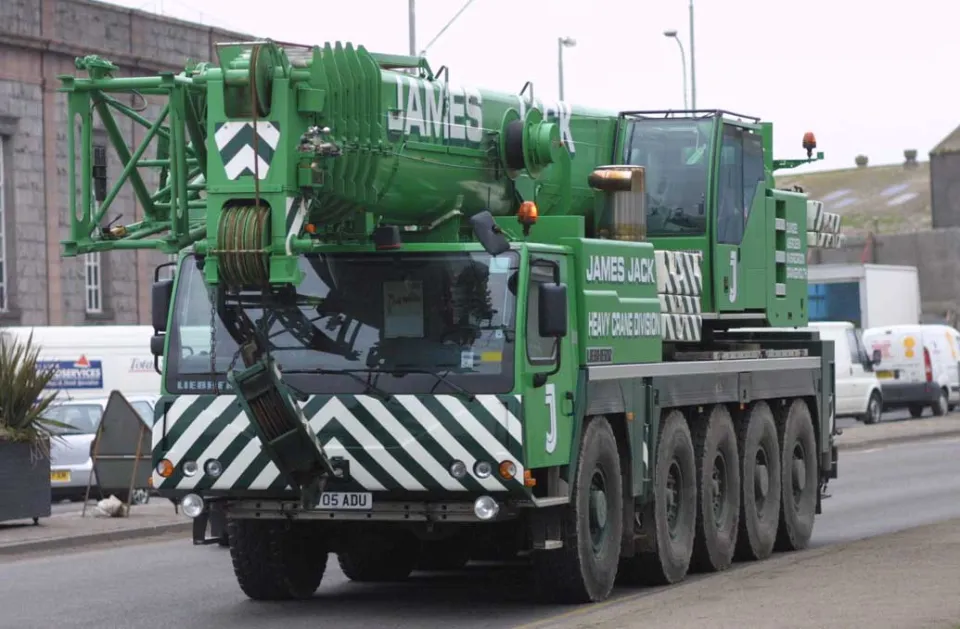
Cranes come in more forms than any other type of heavy equipment. Here is a guide to the main families and when each one is used.
Mobile cranes
- All-terrain cranes: multi-axle road-going cranes with all-wheel drive and steer, from 40 to 1,200 tonnes. See mobile cranes.
- Truck cranes: cranes on a truck chassis; cheaper and very common in Asia, Africa and Latin America.
- Rough-terrain cranes: single-cab cranes with large tyres for construction sites, popular in North America.
- City and compact cranes: small cranes for tight urban sites.
- Pick-and-carry cranes (for example Franna in Australia): move loads on the hook across sites.
Crawler cranes
Tracked lattice-boom or telescopic cranes for heavy and long-duration lifts. They can travel with a load. See crawler cranes.
Tower cranes
- Hammerhead / flat-top: horizontal jibs for building sites.
- Luffing-jib: raise and lower the jib for congested city sites.
- Self-erecting: fold up for transport and unfold on site. See tower cranes.
Other crane types
- Loader (knuckle-boom) cranes on trucks for deliveries.
- Overhead and gantry cranes in factories and ports.
- Ship-to-shore container cranes at ports.
- Spider (mini) cranes that fit through doorways.
- Telescopic handlers with jibs and rotating telehandlers that replace small cranes for many jobs.
Choosing a crane
The decisive factors are the heaviest load, the radius and height at which it must be placed, ground conditions, access and how long the crane is needed. Always plan lifts from the load chart; see our crane hand signals and safety guides.